
5 Ways Mohamed Ramdani Makes Learning Arabic Easy and Enjoyable
Mohamed Ramdani is an Arabic instructor who chose a clear path early. He decided to teach Arabic to people who do not speak it at all. This decision shaped his method, his tone, and his work. You see this from the first lesson. He does not assume prior knowledge. He does not rely on cultural shortcuts. He starts from what you know already as a learner of a new language. He builds step by step.
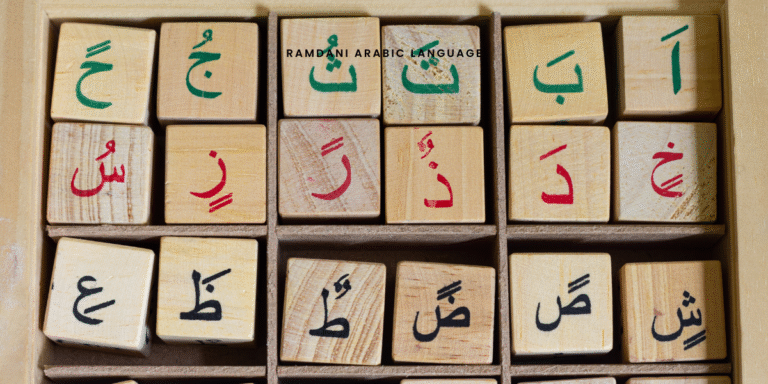
His background in Arabic language gave him strong control over grammar, pronunciation, and structure. His real strength comes from how he translates that knowledge into simple learning units. You feel that he understands your confusion. You struggle with letters. You struggle with sounds that do not exist in your language. He plans for this. He breaks Arabic into pieces that you can manage. He uses repetition with purpose. Each repetition serves a goal.
Mohamed Ramdani focuses on modern standard Arabic. He knows that learners want a form of Arabic that works across countries. He teaches a version that allows you to read, listen, and communicate with confidence. He avoids overwhelming you with dialects at the start. He explains when and why dialect matters. This choice saves time. It keeps motivation high.
His teaching style reflects real classroom experience. He knows where students stop paying attention. He knows where mistakes repeat. He addresses these points early. For example, pronunciation often blocks progress. Many learners feel embarrassed when they cannot pronounce certain letters. He removes that pressure. He explains how the mouth moves. He compares sounds with ones you already know. You practice without fear of judgment.

Grammar often scares learners. Mohamed Ramdani treats grammar as a tool, not a subject. He introduces rules only when you need them. He avoids long explanations. He shows patterns through examples. You see the rule before you name it. This approach keeps you moving forward. You feel progress even when the structure becomes complex.
Vocabulary selection follows a clear logic. He chooses words that appear often in daily use. He avoids rare or outdated terms. You learn words that help you speak and understand early. This builds confidence. You can form sentences faster. You can recognize words when you hear them. This creates a feedback loop. Progress motivates effort. Effort leads to progress.
Mohamed Ramdani also understands the emotional side of learning. Many non Arabic speakers believe Arabic is impossible. They hear that it is hard. They see unfamiliar script. He addresses this belief directly. He shows that Arabic follows rules. He proves that effort leads to results. He shares examples of students who started with no background. This matters. You need proof that success is possible.
He uses clear explanations without academic weight. He does not speak to impress other teachers. He speaks to help learners. His language stays direct. His examples stay practical. He often links lessons to real situations. You learn how to greet. You learn how to introduce yourself. You learn how to read signs and basic texts. These skills matter early.
His work extends beyond private lessons. Mohamed Ramdani believes access matters. This belief led him to build learning spaces online. He did not limit his teaching to paid classrooms. He opened doors through social media and a free learning platform. This decision defines his impact.
The Learn with Ramdani pages on social media act as daily touchpoints. You scroll and find Arabic content designed for learners like you. Short lessons. Clear explanations. Focused topics. These pages do not replace structured study. They support it. They keep Arabic present in your daily routine. Consistency matters in language learning. He uses social platforms to reinforce that.
On these pages, he simplifies concepts without losing accuracy. He explains letters. He explains sentence structure. He answers common questions. You see comments from learners at different levels. This creates a shared space. You do not feel alone. You see others struggling with the same issues. This builds persistence.
Mohamed Ramdani also uses these platforms to correct common myths. He explains that Arabic script becomes familiar with exposure. He explains that grammar looks complex but follows patterns. He explains that fluency comes from practice, not talent. These messages matter. They change how you approach study.
His teaching philosophy centers on clarity and access. He believes that language should not stay locked behind institutions or high fees. This belief led to the creation of the Ramdani Arabic Academy website. The site serves as a free Arabic resource. It allows you to learn and practice Arabic without cost. This removes a major barrier.
The Ramdani Arabic Academy offers structured materials. Lessons follow a logical order. You do not jump randomly between topics. You build knowledge layer by layer. This structure matters for independent learners. Without guidance, many people quit. The website provides that guidance.
Practice stands at the center of the platform. You do not only read explanations. You apply them. Exercises test your understanding. Repetition reinforces memory. You move from recognition to production. This mirrors how language works in real life.
The website also reflects Mohamed Ramdani’s teaching experience. He anticipates errors. He designs activities to address them. He explains why mistakes happen. This helps you self correct. You gain independence as a learner.
Free access does not mean low quality. The materials show careful planning. The explanations remain concise. The progression stays realistic. You do not rush through advanced topics. You master basics first. Data from language learning research supports this approach. Strong foundations reduce long term dropout rates.
Mohamed Ramdani’s work connects teaching, technology, and access. He teaches directly. He supports learners daily through social media. He offers a free structured platform through his academy. Each part reinforces the other. This system increases exposure and practice time. More exposure leads to better retention.
You see a teacher who respects the learner’s time. You see a teacher who understands difficulty without exaggerating it. You see a teacher who believes Arabic can belong to anyone willing to learn. This belief shapes every lesson he creates.
Mohamed Ramdani understands that learning Arabic does not happen in isolation. You do not learn only during a lesson. You learn between moments. You learn when you repeat a word in your head. You learn when you see a sentence and try to decode it. This idea shapes how he uses social media as a teaching space rather than a marketing space.
The Learn with Ramdani pages exist to stay close to the learner. You open your phone. You scroll. You find Arabic in front of you. This matters more than people think. Research on language acquisition shows that frequent exposure improves retention. Even short daily contact with a language increases long term memory. Mohamed Ramdani builds on this fact. He places Arabic where your attention already goes.
His content follows a clear pattern. Each post focuses on one idea. One letter. One word. One rule. One short sentence. This reduces cognitive load. You do not feel pressure. You consume the content quickly. You move on. Later, when you study formally, the idea feels familiar. Familiarity lowers resistance. You engage more.
He avoids noise. Many language pages overload learners with lists and explanations. He does the opposite. He selects what matters most. For example, instead of posting ten new words, he may post one word used in different contexts. You see how meaning changes. You see how structure stays stable. This trains your brain to notice patterns.
Mohamed Ramdani also uses repetition across time. A letter may appear today. The same letter appears again next week in a new word. This follows spaced repetition principles. Studies show that spaced repetition improves recall rates compared to mass learning. His pages reflect this without naming the theory. You benefit without realizing why.
Interaction plays a central role. Learners comment. They ask questions. They make mistakes publicly. Mohamed Ramdani responds with clarity. He corrects without discouraging. He explains without showing authority. This tone matters. Fear blocks learning. Safety supports it. You feel safe to try.
You also see learners at different stages interacting. Beginners ask basic questions. Intermediate learners answer sometimes. This creates a learning community. You observe others. Observation is a form of learning. You learn what questions to ask next. You learn what mistakes to avoid.
The language used on these pages stays consistent. Mohamed Ramdani avoids switching styles randomly. He keeps explanations stable. This helps your brain form expectations. Consistency reduces effort. Reduced effort increases persistence.
Visual structure also supports learning. Text stays readable. Examples stay clear. Arabic script appears clean. This matters for a script that looks complex to beginners. Clear presentation reduces intimidation. You focus on content rather than format.
Beyond lessons, the pages also address mindset. Mohamed Ramdani often reminds learners that progress feels slow before it becomes visible. He normalizes frustration. He explains plateaus. You recognize your experience in his words. This prevents quitting. Dropout rates in language learning remain high. Emotional support reduces those rates.
He also shares success stories. Not as motivation slogans. As proof. You see learners who started with no background. You see their progress. This activates belief. Belief influences effort. Effort influences outcome.
Social media also allows quick correction of common errors. When many learners confuse two letters or structures, he addresses it publicly. This saves time. One explanation helps thousands. This scale matters. It reflects efficiency.
The Learn with Ramdani pages also serve as an entry point. Many learners discover Arabic through these short lessons. Interest grows. Curiosity builds. Then they look for structure. This is where the Ramdani Arabic Academy website becomes relevant. Social media opens the door. The website provides the path.
The academy exists as a free Arabic resource. This decision reflects a clear philosophy. Mohamed Ramdani believes cost should not decide who learns Arabic. Access shapes opportunity. By removing payment barriers, he expands reach. Learners from countries with limited resources gain the same material as others.
The website organizes learning in a way social media cannot. You follow a sequence. You know where to start. You know what comes next. This structure supports self directed learners. Without structure, motivation fades. The academy reduces that risk.
Lessons on the site build from foundations. Alphabet. Sounds. Writing. Reading. Basic grammar. Each stage prepares for the next. You do not jump ahead without tools. This reduces confusion. Confusion often leads to quitting.
Practice remains central. Each lesson includes exercises. You apply what you learn immediately. This aligns with active learning research. Active recall strengthens memory more than passive reading. Mohamed Ramdani designs for this outcome.
Feedback also exists. You check answers. You see explanations. You understand why an answer works or fails. This closes the learning loop. You do not guess blindly. You adjust.
The academy supports different learning speeds. You move at your pace. You repeat lessons if needed. There is no pressure to keep up with others. Autonomy increases satisfaction. Satisfaction increases consistency.
Mohamed Ramdani integrates his teaching voice across platforms. The tone on the website matches the tone on social media. This continuity matters. You feel guided by the same teacher everywhere. Trust grows through consistency.
He also updates content based on learner behavior. When many users struggle with a topic, he improves explanations. This reflects responsiveness. Teaching becomes adaptive rather than static.
Data supports this approach. Platforms that adapt content based on learner performance show higher completion rates. Mohamed Ramdani applies this principle through observation rather than algorithms. Experience replaces software.
The academy also encourages real language use. Reading short texts. Understanding simple dialogues. Recognizing Arabic in real contexts. Language exists to communicate. He never forgets this.
The strength of Mohamed Ramdani’s work appears most clearly when you look at results over time. Many Arabic learners start with enthusiasm. Few continue past the early stage. Dropout often happens after the alphabet or basic grammar. Mohamed Ramdani designs his teaching to fight this exact moment. He focuses on continuity. He focuses on keeping you engaged when novelty fades.
One reason learners quit Arabic is lack of direction. They study random topics. They jump between videos. They collect information without structure. Mohamed Ramdani removes this problem. His system gives you a path. You know what to learn today. You know what to learn next week. Direction reduces mental fatigue. You spend energy learning, not planning.
Another reason learners stop is isolation. You feel alone with your mistakes. You doubt your progress. Through Learn with Ramdani pages and the academy platform, isolation decreases. You see others learning. You see shared struggles. You see common errors. This social visibility matters. Research shows that community based learning increases completion rates. Mohamed Ramdani creates community without forcing interaction.
Consistency defines his approach. He does not chase trends. He does not change methods every month. He builds slowly. He refines carefully. This stability benefits learners. Your brain adapts to the teaching style. You stop decoding instructions. You focus on language.
He also respects adult learners. Many Arabic students are adults with jobs and responsibilities. They cannot study for hours daily. Mohamed Ramdani designs lessons that fit real schedules. Short sessions. Clear goals. Measurable progress. This respects your time. Respect builds trust.
Mistake handling reflects this respect. He treats mistakes as data. When you make an error, it shows where understanding breaks. He uses these points to teach. He does not label errors as failure. This keeps confidence intact. Confidence affects output. Output accelerates learning.
Pronunciation training continues to play a key role. Arabic sounds cause anxiety for many learners. Mohamed Ramdani revisits pronunciation across levels. He does not treat it as a one time topic. Sounds appear again in words and sentences. This mirrors natural language acquisition. Children learn sounds over time. Adults need the same exposure.
Reading development follows a similar logic. He moves from letters to syllables to words to short texts. Each step feels small. Together they create fluency. You begin to read without translating every letter. This moment changes motivation. You feel progress clearly.
Writing also receives attention. Many online programs ignore writing. Mohamed Ramdani includes it early. Writing reinforces recognition. It improves memory. It strengthens letter distinction. Research supports this. Learners who write characters recall them better than those who only read. His method aligns with this evidence.
Grammar continues to appear in context. He avoids abstract drills. Grammar emerges from sentences you already understand. This keeps learning grounded. You see why a rule matters. You apply it immediately. Application locks knowledge in place.
Vocabulary expansion stays controlled. He avoids overwhelming lists. He builds around themes. Daily life. Basic interaction. Common expressions. Frequency guides selection. High frequency words appear first. This improves comprehension faster. Studies show that knowing the most common words unlocks a large percentage of real texts. Mohamed Ramdani follows this logic.
Assessment exists but stays informal. You test yourself through exercises. You notice improvement through ease. You read faster. You understand more. These signals matter more than scores. They reflect real ability.
The free nature of the Ramdani Arabic Academy also affects learner behavior. Without payment pressure, you learn for understanding rather than completion. You return because you want to, not because you paid. Intrinsic motivation leads to deeper learning. Mohamed Ramdani chooses this model deliberately.
He also avoids overpromising results. He does not claim fluency in weeks. He speaks honestly about effort. This honesty builds credibility. Learners trust realistic guidance. Trust keeps them engaged longer.
Another important aspect is cultural sensitivity. Mohamed Ramdani teaches Arabic as a language, not as an ideology. He separates language learning from belief systems. This creates a neutral space. Learners from different backgrounds feel welcome. This openness increases reach.
He also explains cultural context when needed. Greetings. Politeness. Formality. These explanations help you avoid confusion. Language lives inside culture. Ignoring this creates misunderstanding. Mohamed Ramdani balances language and context carefully.
Technology serves learning rather than distracting from it. The website remains simple. Navigation stays clear. Content stays accessible. You do not fight the platform. You focus on Arabic. Usability matters. Poor design increases dropout. His platform avoids this.
Feedback from learners shapes evolution. Mohamed Ramdani listens. He adjusts pacing. He clarifies explanations. This responsiveness keeps content relevant. Teaching stays alive rather than fixed.
Over time, learners develop independence. They rely less on guidance. They start reading outside materials. They recognize structures. This is the real goal. A teacher works to make himself less necessary. Mohamed Ramdani understands this.
The integration between teaching, social media, and the academy creates a learning ecosystem. Each part supports the other. Social media maintains exposure. The academy builds structure. Teaching experience informs both. This system increases total contact hours. More contact leads to better outcomes.
Statistics from language education support this model. Learners who engage with a language daily, even briefly, outperform those who study longer but less frequently. Mohamed Ramdani’s daily content supports this pattern. His structured lessons deepen it.
The full picture of Mohamed Ramdani’s work becomes clear when you step back and look at impact rather than content. Teaching Arabic for non Arabic speakers requires patience, planning, and belief in the learner. Many teachers know the language. Few know how to transfer it. Mohamed Ramdani focuses on transfer. He focuses on what happens in your mind as you move from confusion to clarity.
His role extends beyond instructor. He acts as a guide. You do not feel pushed. You feel accompanied. This matters in long learning journeys. Arabic takes time. Progress comes in stages. He prepares you for this reality from the start. You do not expect shortcuts. You expect steady growth.
The Ramdani Arabic Academy stands as proof of this philosophy. A free platform requires effort without guaranteed return. Maintenance takes time. Content creation demands energy. Mohamed Ramdani continues because the mission matters more than profit. This choice increases trust. Learners sense intention. Intention affects engagement.
Free access also changes learner diversity. You see students from different economic backgrounds. You see learners who could not afford courses. This diversity enriches the learning space. Questions vary. Perspectives widen. Learning becomes shared rather than isolated.
The academy encourages responsibility. Without payment, motivation must come from within. Mohamed Ramdani supports this by setting clear goals. You know what success looks like at each stage. You track progress through skill rather than certificates. Skill lasts longer.
Language practice remains central to long term success. Input alone does not create fluency. Output matters. Mohamed Ramdani repeatedly encourages learners to use Arabic. Read aloud. Write sentences. Speak even when unsure. This advice aligns with research. Active use strengthens neural pathways. Avoiding output slows progress.
This is where community becomes essential. Practice requires space. Mistakes require safety. Mohamed Ramdani understands this. He promotes interaction through comments, discussions, and shared exercises. Learning becomes social. Social learning increases retention. You stay longer when others walk with you.
The next natural step is live practice. Learners need places to apply what they learn in real time. Conversations matter. Even simple exchanges matter. Mohamed Ramdani supports this direction by encouraging group practice. WhatsApp groups offer low pressure environments. You send messages. You receive corrections. You observe others. This simulates real language use.
These groups also build accountability. When you see others practicing, you practice. When you miss days, you notice. This gentle pressure helps consistency. Consistency remains the strongest predictor of success in language learning.
Adding links to social media and practice groups at the end of content completes the learning loop. You move from reading to watching. From watching to practicing. From practicing to improving. Each step connects naturally. Mohamed Ramdani designs for flow rather than fragmentation.
His social media links act as daily reminders. They pull you back into the language. Even on busy days, you stay connected. This reduces forgetting. Forgetting happens fast without contact. He limits that loss.
The WhatsApp group supports production. You stop being a silent learner. You participate. Participation changes identity. You stop saying you are learning Arabic. You start saying you use Arabic. Identity shift increases commitment.
Another important element is realism. Mohamed Ramdani never presents Arabic as easy. He presents it as learnable. This difference matters. False ease creates disappointment. Learnable difficulty creates resilience. You accept struggle as part of progress.
He also respects learner autonomy. You choose how deep to go. You choose pace. You choose focus. The system supports choice without chaos. This balance keeps learners engaged long term.
Teachers often disappear behind platforms. Mohamed Ramdani stays visible. You see his voice. You hear his explanations. This human presence matters. Learning improves when learners feel connected to a real person. Studies show that perceived instructor presence increases motivation and satisfaction. His approach aligns with this data.
He also avoids dependency. He encourages learners to explore outside materials once ready. News articles. Simple books. Audio content. This openness shows confidence in his teaching. A good teacher prepares you to leave. Mohamed Ramdani does this intentionally.
Over time, learners develop competence. They read without fear. They understand basic conversations. They form sentences. These outcomes matter more than completion metrics. Mohamed Ramdani measures success through ability.
The system he built reflects long term thinking. Social media attracts. The academy structures. Practice groups activate. Each part supports the other. Removing one weakens the whole. Together they create a sustainable learning environment.
This approach also scales. One lesson reaches thousands. One explanation corrects many errors. Efficiency increases reach. Reach increases impact. Impact justifies effort.
You see a teacher who adapts without losing direction. You see consistency across years. This stability builds reputation. Learners recommend the platform. Growth happens organically. Trust drives expansion.