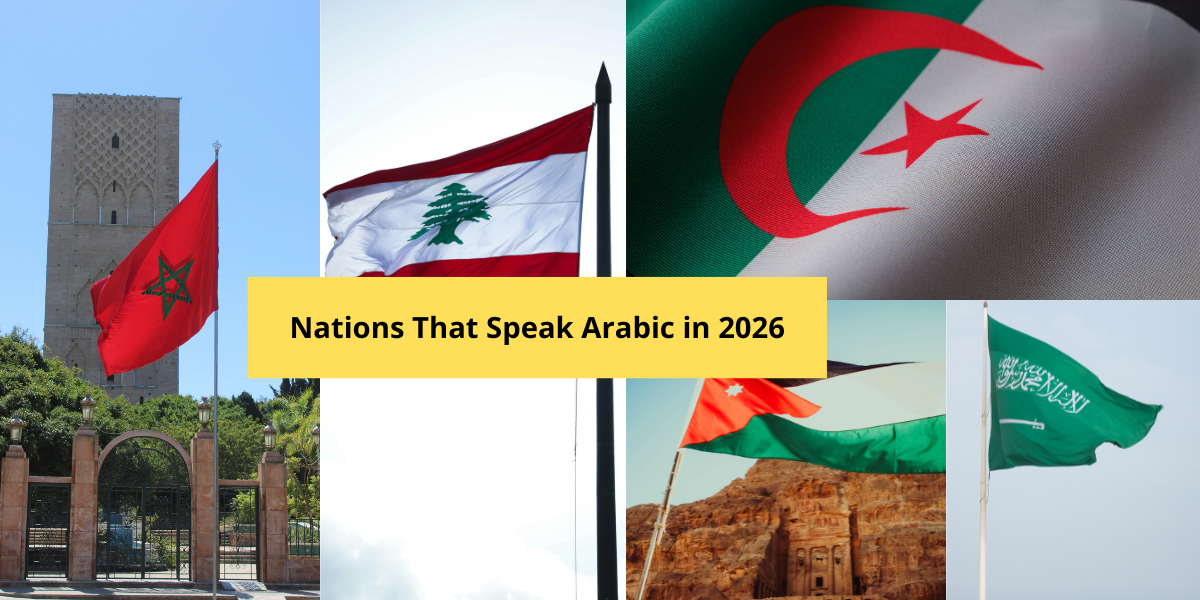
Nations That Speak Arabic in 2026
Arabic is one of the most widespread languages in the world. More than 400 million people speak it across different continents. It is the official or co-official language in over twenty countries. It holds deep cultural, historical, and religious importance. For travelers, understanding where Arabic is spoken is key to connecting with local communities and understanding the identity of each region.
Arabic is not limited to one place. It stretches from the Atlantic coast of North Africa to the heart of the Middle East. It reaches the Arabian Peninsula and touches parts of Asia and Africa. Each region uses the language in its own way. The shared tongue builds a link that goes beyond borders and governments.
When you visit Morocco, Egypt, or Saudi Arabia, you will hear Arabic, but not always in the same form. Each country has its dialect, expressions, and pronunciation. Yet, the foundation of the language remains one. Modern Standard Arabic, the formal version, is used in education, media, and official communication. Dialects, on the other hand, reflect daily life and local identity.
This diversity makes Arabic unique among world languages. It has both unity and variation. Travelers who move from one Arab country to another will notice how locals understand each other despite the differences in speech. This creates a shared cultural understanding that is rare in the modern world.
The Arabic-speaking world covers large and varied lands. In North Africa, you find countries like Morocco, Algeria, Tunisia, Libya, and Egypt. In the Middle East, Arabic dominates in Saudi Arabia, Jordan, Lebanon, Syria, Iraq, and the Gulf states. Beyond these regions, Arabic is also used in countries such as Somalia, Sudan, and Mauritania. Some smaller populations in countries like Chad, Eritrea, and even Israel also use Arabic as a native or second language.
Traveling across these regions gives you the chance to see how language reflects life. In Morocco, Arabic mixes with Berber and French influences. In Egypt, you find a lively and expressive dialect shaped by its cinema and music. In the Gulf states, the Arabic you hear carries the sound of desert traditions and Bedouin roots. Every place adds a new color to the same linguistic canvas.
Arabic is not only a way to communicate but also a door to culture. It carries poetry, history, and identity. Learning even a few words can change how you experience travel. When you greet someone with “Assalamu Alaikum,” you show respect and openness. When you understand simple phrases, you gain access to local stories and everyday life. People appreciate when visitors make the effort to speak their language. It builds trust and turns simple encounters into meaningful ones.
Many travelers feel that Arabic is difficult to learn. The script, pronunciation, and grammar can seem complex at first. But once you understand the structure, it becomes logical and expressive. It has a rhythm and clarity that attract learners who stay patient. With the right guidance and consistent practice, anyone can reach a level that allows them to connect and understand.
That is one of the reasons Ramdani Arabic Academy exists. Our goal is to make Arabic learning clear, practical, and accessible. We help learners not only study the language but also explore the cultures behind it. Through lessons, articles, and structured courses, we aim to guide travelers, students, and language enthusiasts who want to engage with the Arab world more deeply.
For those who travel often, learning Arabic adds a new dimension to every journey. You can navigate cities with confidence, talk to locals without translation, and gain insights that others miss. Whether you are exploring the markets of Marrakech, visiting the pyramids of Cairo, or walking through the old streets of Damascus, Arabic opens the door to a more authentic experience.
This series of articles will explore the countries where Arabic is spoken and how the language shapes life in each of them. We will look at their history, dialects, and role in the Arab world. We will also share insights for travelers who wish to interact respectfully and meaningfully.
Understanding where Arabic lives and how it sounds in different lands helps you see the Arab world as a connected whole. It is a network of nations, cultures, and voices tied by one powerful language.
The Arabic-Speaking World
Arabic is spoken in many countries across the Middle East and North Africa. Each country has its own story, its own rhythm, and its own way of using the language. Yet, all of them share a deep respect for Arabic as part of their national identity and daily life.
North Africa
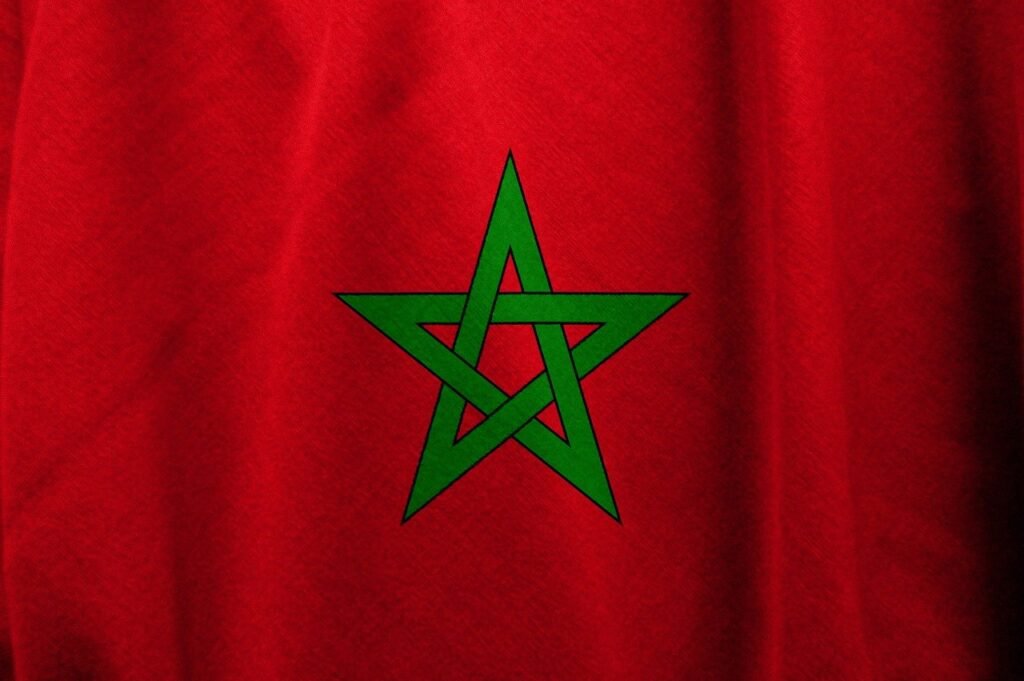
Morocco sits at the far west of the Arab world. Arabic is one of its official languages, alongside Amazigh. The local dialect, known as Darija, blends Arabic with Amazigh, French, and Spanish influences. In cities like Casablanca and Marrakech, you hear it in markets, cafés, and taxis. Modern Standard Arabic, used in education and news, links Moroccans to the wider Arab world. Travelers who visit Morocco often find the mix of languages fascinating.
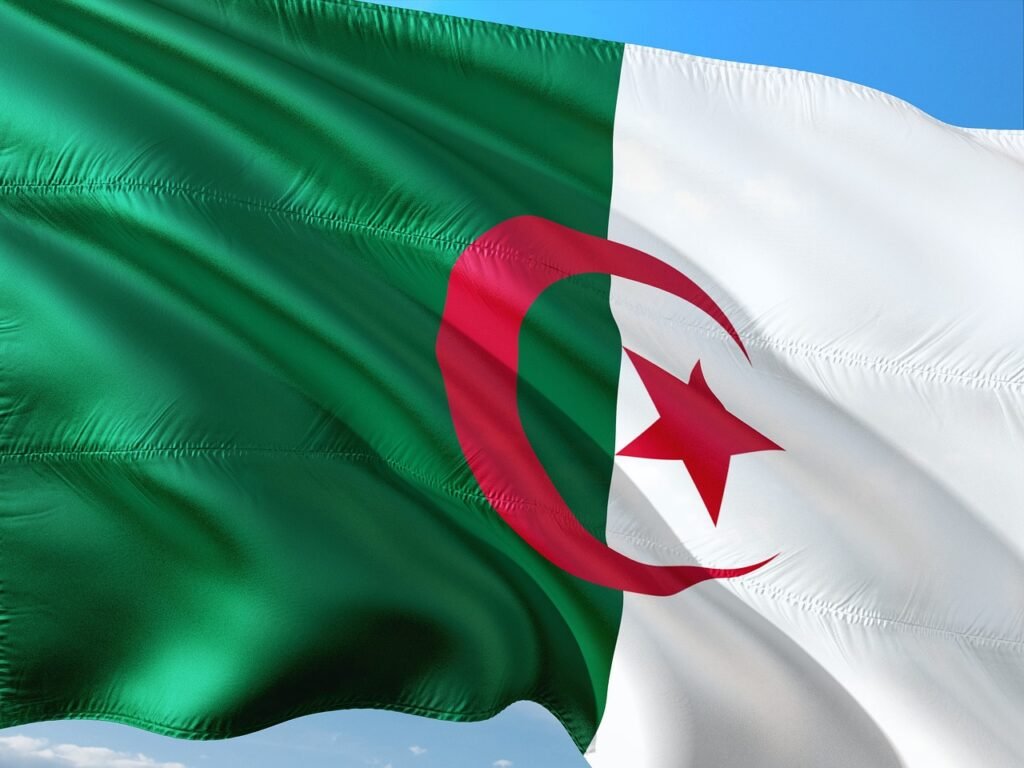
Algeria shares a similar linguistic landscape. Arabic is official, but French remains widely used due to historical ties. Algerian Arabic has a rich sound and rhythm. It changes slightly from region to region, especially between the coast and the desert. Understanding even a few local words helps travelers connect quickly with people in daily settings.
Tunisia offers another example of how Arabic adapts. Tunisian Arabic, known as Derja, has strong Italian and French influences. The accent is clear and melodic. Tunisians move easily between their dialect, French, and Modern Standard Arabic. This multilingual ability reflects Tunisia’s long history of trade and cultural exchange.
Libya and Egypt stand at the heart of North Africa. Libya uses Arabic in all official and social life, though dialects differ between east and west. Egypt, however, plays a special role. Egyptian Arabic is the most widely understood dialect in the Arab world because of its dominance in film, music, and television. When people from other Arab countries watch Egyptian cinema or listen to Egyptian songs, they naturally absorb the dialect. For travelers, Egypt is often the easiest place to start learning spoken Arabic.
The Middle East
Moving east, the language grows even stronger.
Saudi Arabia is seen as the spiritual home of Arabic. It is where the Quran was revealed, and where Classical Arabic has its roots. Modern Standard Arabic is used in media, schools, and official life, but local dialects vary across regions. Western travelers visiting Riyadh, Jeddah, or Mecca will hear subtle differences in speech but the same strong sense of linguistic pride.
Jordan, Lebanon, Syria, and Palestine form the Levant region. The dialects here are soft and widely understood across the Arab world. Levantine Arabic is popular in media, music, and television. People often describe it as one of the clearest and easiest dialects for learners. In these countries, Arabic connects ancient heritage with modern identity. For travelers, conversations in Arabic often lead to invitations for coffee, stories about family, and insights into local traditions.
Iraq has a unique place in the Arabic map. Its dialect reflects the country’s long history and diversity. Baghdad Arabic differs from that of Mosul or Basra. Yet, the written and formal Arabic remains the same nationwide. Iraq’s contribution to Arabic literature, science, and history is immense. The language there carries both classical beauty and modern resilience.
In the Gulf states — Kuwait, Qatar, Bahrain, the United Arab Emirates, and Oman — Arabic stands as the language of heritage and identity. Despite rapid modernization, locals maintain strong ties to their dialects and traditions. Gulf Arabic has its own vocabulary and pronunciation, shaped by centuries of desert life and trade. For travelers, learning simple greetings in Gulf Arabic leaves a strong impression of respect and curiosity.
Beyond the Core Arab World
Arabic also reaches parts of Africa and Asia beyond the main Arab League.
Sudan uses Arabic as its main language of government and culture. Its dialect shares features with Egyptian and Gulf Arabic but has its own distinct flavor. Mauritania, on the western edge of Africa, uses Arabic as its official language and part of its identity.
In Somalia, Chad, and Eritrea, Arabic coexists with local languages. It is used in religious, educational, and official contexts. These countries show how Arabic extends beyond national borders and serves as a bridge between different ethnic and cultural groups.
A Shared Identity
Across all these regions, Arabic functions as more than communication. It expresses a shared identity that crosses politics and geography. It ties people together through language, literature, and faith. For travelers, this means that learning Arabic, even in its simplest form, opens access to a world connected by history, tradition, and hospitality.
When you move between Arab countries, you may hear different words, but you will always sense the same foundation. The pronunciation changes, but the essence stays. This unity through diversity is what keeps Arabic alive and strong.
Culture, Communication, and Learning
Arabic is more than a tool of speech. It carries the rhythm of culture and the memory of history. Every word links to identity, religion, and shared values that shape daily life. For travelers, understanding this connection transforms the experience of visiting Arabic-speaking countries from tourism into real cultural exchange.
The Cultural Weight of Arabic
Arabic has shaped art, science, and religion for centuries. It is the language of the Quran and Islamic scholarship. It gave rise to centuries of poetry, philosophy, and literature that influenced the wider world. Even today, it remains a symbol of knowledge and unity.
In Arab societies, language is tied to respect and manners. How you greet someone, thank them, or ask for help reflects how well you understand the culture. The phrase “As-salamu alaikum,” meaning “peace be upon you,” is more than a greeting. It is a wish of goodwill and safety. The reply, “Wa alaikum as-salam,” completes a cycle of respect.
When travelers use these words sincerely, they show awareness and humility. Locals notice this quickly. A small effort to speak Arabic often earns kindness, patience, and hospitality. Many travelers discover that even when people know English, they appreciate being addressed in Arabic first.
Understanding Dialects and Context
One of the main challenges for learners is the variety of Arabic dialects. The language changes from one country to another, sometimes even from one city to the next. Egyptian Arabic sounds different from Moroccan Arabic. Gulf Arabic sounds different from Lebanese Arabic.
This variation may seem confusing at first, but there is a clear structure behind it. Modern Standard Arabic (MSA) is the formal version used in writing, media, and official communication. It is the form you find in books, newspapers, and formal speeches. MSA connects all Arabic speakers, regardless of their local dialect.
For travelers, learning MSA provides a foundation. Once you know it, adapting to dialects becomes easier. You start to recognize patterns, roots, and familiar words. Many learners find that locals appreciate their use of MSA, even if it sounds formal. It shows respect for the language’s core.
In conversation, however, dialects dominate. People rarely speak MSA in daily life. This is where practice and exposure matter. Listening to local radio, watching regional television, or spending time in markets and cafés helps you absorb natural speech. The more you listen, the faster your ear adapts.
Arabic and Hospitality
Arabic culture values hospitality. Guests are treated with generosity, and language is part of this exchange. When you know a few expressions, you bridge the gap between visitor and host.
Simple phrases such as
- “Shukran” (thank you)
- “Min fadlik” (please)
- “La shukran” (no, thank you)
- “Tasharrafna” (nice to meet you)
carry meaning beyond translation. They show politeness and effort.
In Arab countries, greetings take time. People ask about family, health, and work before moving to the main topic. This is not small talk. It shows care and community. Travelers who understand this rhythm find themselves welcomed and respected.
Learning the Language
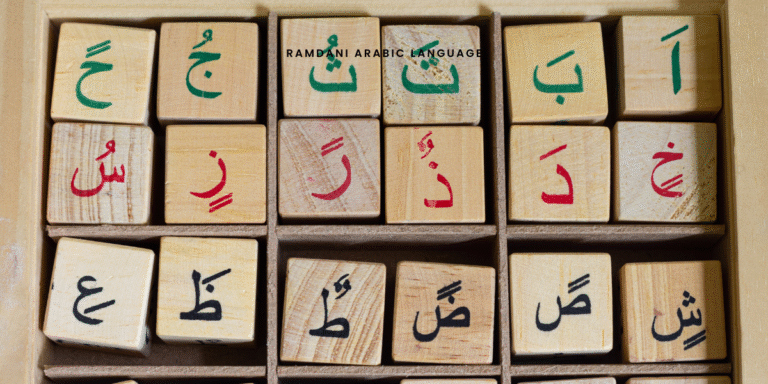
Learning Arabic requires patience and consistency. The alphabet may seem complex, but it follows logic. Each letter has a clear sound and connects smoothly to others. Once you grasp the script, reading becomes natural.
Many learners struggle because they try to memorize words without understanding structure. Arabic builds meaning through roots. Most words come from three-letter roots that carry a basic idea. From one root, many words grow. This system makes learning efficient once you understand it.
For travelers, practical learning works best. Focus on the words and phrases you will use daily. Learn greetings, directions, numbers, food, and expressions of gratitude. Use them often. Practice with locals. Mistakes are not a problem; effort is what matters.
Digital tools and online lessons make Arabic more accessible than ever. Websites, videos, and live classes connect learners with native speakers. Structured programs, such as those at Ramdani Arabic Academy, guide learners step by step, combining grammar with culture. The goal is not only to teach rules but to help learners use the language in real contexts.
Why Arabic Matters for Travelers
Arabic opens doors. It helps you move beyond tourist experiences and reach genuine human connection. When you speak even a few words, people respond differently. They explain things more openly. They share stories and traditions. You stop being a visitor and become a participant.
For travelers interested in history, religion, or regional affairs, Arabic adds depth. Reading street signs, understanding local news, or listening to songs in their original language gives you insight that translations cannot offer.
Arabic also teaches patience and observation. It slows you down and helps you notice details in tone and context. You start to hear meaning beyond words.
Travel is not only about movement but about understanding. When you learn Arabic, you gain the ability to listen better and connect deeper.
Moving Forward with Arabic
Learning Arabic is not just about grammar or pronunciation. It is about understanding how people live, think, and communicate. Every country that speaks Arabic reflects a part of a long story that connects millions of lives. For travelers, the more you understand this language, the more meaningful every journey becomes.
The Path to Learning
Start small. Focus on what you can use. Learn greetings, numbers, and basic questions. Use them daily. Speak with locals when you travel. Read signs, menus, and newspapers. Listen to songs. Watch news programs. Each activity builds familiarity.
Consistency is more important than speed. Ten minutes of practice each day is more effective than long sessions once a week. Arabic rewards regular effort.
When you learn Arabic, expect progress in layers. First, you recognize sounds. Then, you understand words. Later, you form sentences and express ideas. It takes time, but each step builds confidence.
Many learners face a period of frustration. That is normal. Arabic uses sounds and structures that differ from English or other Western languages. But once you pass that stage, everything connects. The script becomes readable. The patterns start to make sense. You begin to think in Arabic, not just translate.
Cultural Awareness
Learning the language means respecting the culture that carries it. In Arabic-speaking countries, communication follows strong social customs. Greetings matter. Courtesy matters. Listening matters.
Avoid rushing conversations. Let people finish speaking. Show patience and interest. These small acts reflect cultural understanding.
When you visit mosques, markets, or traditional gatherings, modest behavior and respect for local customs build trust. People remember kindness more than words. Arabic becomes a bridge when used with sincerity.
Advice for Travelers
- Learn a few key phrases before you travel.
- Practice pronunciation aloud.
- Ask locals to correct you. They often do it kindly.
- Carry a notebook for new words.
- Listen more than you speak at first.
These habits strengthen your learning and help you adapt faster.
Traveling through Arabic-speaking countries gives you more than sights and photos. It gives you a sense of belonging. When you understand the language, even partly, you see the world differently. You recognize humor, emotion, and tradition in ways you would otherwise miss.
About Ramdani Arabic Academy
Ramdani Arabic Academy was created to make Arabic learning clear, practical, and reachable for everyone. We believe Arabic should not feel distant or complex. Our lessons and courses are built for learners who want to communicate with confidence, not just memorize.
We focus on real-world use. Every course combines structure with cultural understanding. Students learn how Arabic sounds in different countries, how to use it in travel, and how to read and write it with ease.
The academy also offers articles, exercises, and live sessions that connect learners with native speakers. The goal is to help you move from theory to real conversation. Whether you are a traveler, student, or professional, learning Arabic opens new opportunities.
About the Author
Ramdani Mohamed is the founder of Ramdani Arabic Academy. He has dedicated his work to helping learners understand Arabic through culture, context, and clear teaching. His approach focuses on how Arabic functions in daily life, not only in books.
Over the years, he has taught learners from different countries who share one goal — to connect with the Arab world through language. His belief is simple: Arabic can be learned by anyone willing to practice, listen, and stay consistent.
He writes about Arabic culture, language learning, and travel to guide people who want to go beyond the surface and experience the Arab world authentically.
Final Thoughts
Arabic connects continents, generations, and cultures. It links the past with the present. For travelers, it opens a door to understanding people beyond translation. For learners, it offers a new way to see communication itself.
Start with one word. Build one habit. Speak once each day. The language will grow with you.
At Ramdani Arabic Academy, we invite you to learn, explore, and share this journey. The more you understand Arabic, the more you understand the people who speak it — and that is the true reward of learning any language.