
Arabic Numbers 1–50 the best explanation …
Numbers are a foundation of every language.
They appear in daily speech, business, education, travel, and culture.
For anyone learning Arabic, understanding numbers is one of the first real steps toward fluency.
Without them, even simple communication—such as giving a phone number, telling time, or buying something—becomes difficult.
Arabic numbers hold more than practical value.
They reflect history, structure, and patterns that show how the Arabic language connects thought and expression.
When a learner studies Arabic numbers, they gain insight into how Arabic words are built, how grammar functions, and how people in Arabic-speaking cultures think about quantity and order.
Arabic is one of the oldest living languages.
It has influenced mathematics, science, and literature for centuries.
The numerical system that the modern world uses today actually originated from Arabic scholars who refined and spread the system through their writings.
Yet many learners are surprised to learn that Arabic numbers in the language itself look and sound different from the numerals used internationally.
For example, while the symbol “1” represents one in English, in Arabic it is written “١” and pronounced “wahid.”
This difference is not only visual but also cultural and linguistic.
When you begin learning numbers in Arabic, you also start training your ear to the sounds of the language.
The pronunciation of numbers involves many of the basic sounds that appear across Arabic vocabulary.
Learning to pronounce numbers correctly strengthens the learner’s ability to hear and produce other Arabic words.
Numbers, then, serve as both vocabulary and pronunciation practice.
Another reason numbers are a powerful entry point is that they reveal the structure of Arabic grammar.
For instance, in Arabic, numbers interact with nouns in specific ways.
The gender of the noun—masculine or feminine—can change the form of the number.
Understanding this helps learners see how Arabic logic works.
It trains the mind to think in the rhythm and order of the language.
At Ramdani Arabic Academy, we often notice that students who master numbers early build confidence faster.
They understand small grammar patterns before moving on to longer sentences.
They start recognizing how words change form depending on meaning.
This early confidence creates momentum.
Learning Arabic can feel complex at first, but clear progress with something as simple as numbers helps maintain motivation.
Arabic numbers from one to fifty are particularly useful for learners.
They appear in dates, prices, phone numbers, addresses, and even religious and cultural references.
When someone says “Surah number 12” in the Quran, or when someone mentions “the five pillars of Islam,” or even when counting days or hours in everyday life, numbers appear naturally and often.
Knowing how to use them allows learners to participate in real situations.
Beyond function, learning Arabic numbers also connects learners to culture.
Arabic-speaking communities often use numbers with respect and precision.
In business, education, or religious settings, numbers are pronounced clearly and often written in both Arabic and Western scripts.
Being able to understand both helps learners read signs, documents, and conversations with ease.
As a teacher, I have seen adults approach Arabic with both excitement and hesitation.
Many worry that the language will be too hard.
But when they start with numbers, something changes.
They begin to notice patterns.
They see logic in how Arabic words are formed.
They realize that Arabic, though new to them, follows consistent and learnable rules.
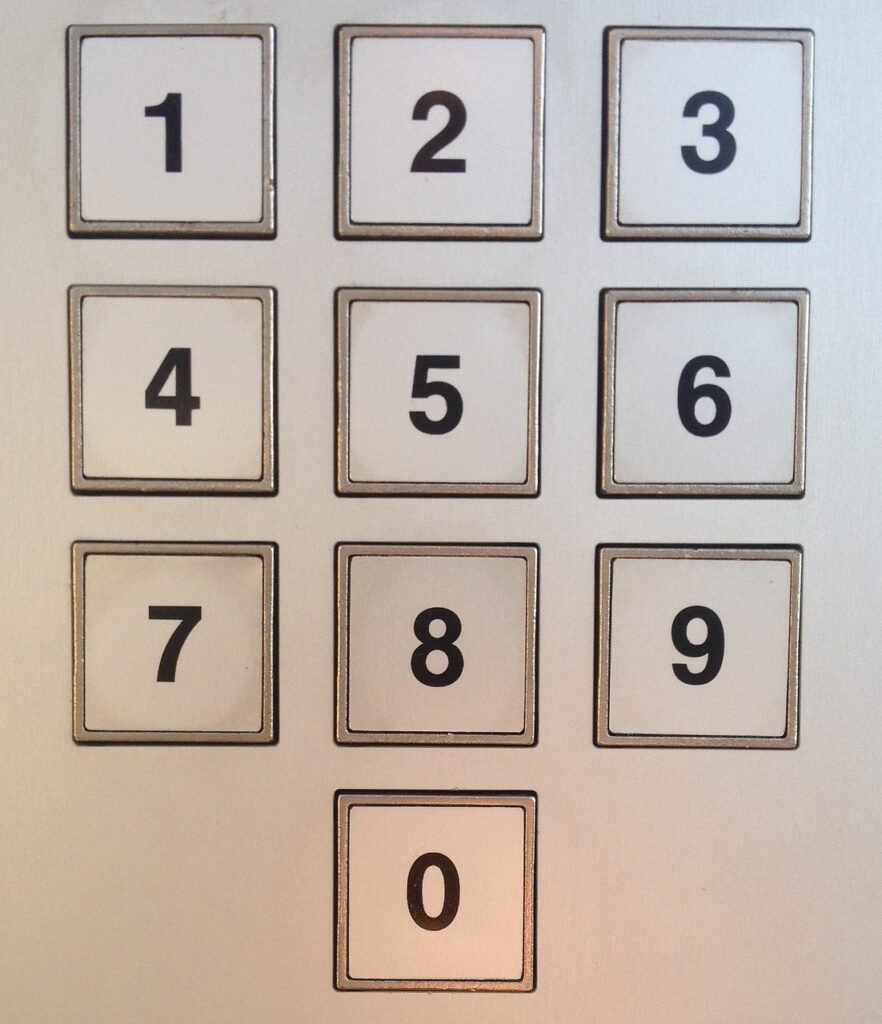
For example, the numbers from one to ten show repeating sounds and balanced structures.
Once you understand “wahid” (one), “ithnan” (two), and “thalatha” (three), the pattern continues.
By the time you reach “asharah” (ten), you already understand the rhythm of Arabic counting.
From there, numbers from eleven to fifty follow predictable models that learners can grasp through repetition and context.
This process creates more than memorization.
It builds thinking.
When learners understand how numbers work, they begin to understand how Arabic organizes ideas.
Arabic is a language of clarity and precision, and numbers are one of the best examples of that discipline.
In this series of lessons from Ramdani Arabic Academy, we will explore the numbers from one to fifty in Arabic.
We will explain pronunciation, spelling, and grammatical usage.
We will also show practical examples that learners can use immediately in real-life contexts.
The goal is not only to memorize but to understand how Arabic numbers operate inside the language system.Every learner needs a clear path.
Numbers offer that clarity.
By the end of this lesson series, learners will not only count in Arabic but also recognize the deeper patterns that guide the language.
From that foundation, they can move toward speaking, reading, and understanding Arabic with confidence.
Understanding Numbers from 1 to 50 in Arabic
Learning Arabic numbers requires attention to sound, form, and order.
Arabic numbers carry patterns that repeat through the language.
Once you recognize these patterns, memorization becomes natural.
Arabic numbers from one to ten form the base.
All larger numbers build on them.
Let us begin with these ten core numbers.
| Number | Arabic Script | Transliteration | Pronunciation |
| 1 | واحد | wāḥid | wah-hid |
| 2 | اثنان | ithnān | ith-nan |
| 3 | ثلاثة | thalātha | tha-latha |
| 4 | أربعة | arba‘a | arb-a-a |
| 5 | خمسة | khamsa | kham-sa |
| 6 | ستة | sitta | sit-ta |
| 7 | سبعة | sab‘a | sab-a-a |
| 8 | ثمانية | thamāniya | tha-ma-ni-ya |
| 9 | تسعة | tis‘a | tis-a-a |
| 10 | عشرة | ‘ashara | a-sha-ra |
These are the foundation.
Every higher number connects back to them.
When you count beyond ten, Arabic forms new patterns.
Numbers from 11 to 19 are compound numbers, created by joining “ten” with the units before it.
For example, eleven in Arabic is “أحد عشر” (aḥada ‘ashara), literally “one ten.”
Twelve is “اثنا عشر” (ithnā ‘ashara), meaning “two ten.”
From thirteen onward, the unit number precedes “ten” in the same structure.
| Number | Arabic Script | Transliteration |
| 11 | أحد عشر | aḥada ‘ashara |
| 12 | اثنا عشر | ithnā ‘ashara |
| 13 | ثلاثة عشر | thalātha ‘ashara |
| 14 | أربعة عشر | arba‘a ‘ashara |
| 15 | خمسة عشر | khamsa ‘ashara |
| 16 | ستة عشر | sitta ‘ashara |
| 17 | سبعة عشر | sab‘a ‘ashara |
| 18 | ثمانية عشر | thamāniya ‘ashara |
| 19 | تسعة عشر | tis‘a ‘ashara |
These numbers are simple once you notice the formula.
Arabic combines the smaller number with “asharah.”
Learners who repeat these combinations aloud will start recognizing the flow of Arabic pronunciation.
The number twenty is “عشرون” (‘ishrūn).
It marks a new stage in counting.
From here, Arabic numbers take the form “units + and + tens.”
For example, twenty-one is “واحد وعشرون” (wāḥid wa‘ishrūn), meaning “one and twenty.”
This pattern continues through twenty-nine.
| Number | Arabic Script | Transliteration |
| 20 | عشرون | ‘ishrūn |
| 21 | واحد وعشرون | wāḥid wa‘ishrūn |
| 22 | اثنان وعشرون | ithnān wa‘ishrūn |
| 23 | ثلاثة وعشرون | thalātha wa‘ishrūn |
| 24 | أربعة وعشرون | arba‘a wa‘ishrūn |
| 25 | خمسة وعشرون | khamsa wa‘ishrūn |
| 26 | ستة وعشرون | sitta wa‘ishrūn |
| 27 | سبعة وعشرون | sab‘a wa‘ishrūn |
| 28 | ثمانية وعشرون | thamāniya wa‘ishrūn |
| 29 | تسعة وعشرون | tis‘a wa‘ishrūn |
Notice the word “wa” (وَ) which means “and.”
Arabic always connects the smaller number to the larger using “wa.”
This structure continues for all tens up to ninety-nine.
The number thirty is “ثلاثون” (thalāthūn).
From thirty-one to thirty-nine, the same “unit + wa + thirty” structure applies.
Forty is “أربعون” (arba‘ūn), fifty is “خمسون” (khamsūn).
Together, these numbers make the full sequence from one to fifty.
| Number | Arabic Script | Transliteration |
| 30 | ثلاثون | thalāthūn |
| 31 | واحد وثلاثون | wāḥid wathalāthūn |
| 32 | اثنان وثلاثون | ithnān wathalāthūn |
| 33 | ثلاثة وثلاثون | thalātha wathalāthūn |
| 34 | أربعة وثلاثون | arba‘a wathalāthūn |
| 35 | خمسة وثلاثون | khamsa wathalāthūn |
| 36 | ستة وثلاثون | sitta wathalāthūn |
| 37 | سبعة وثلاثون | sab‘a wathalāthūn |
| 38 | ثمانية وثلاثون | thamāniya wathalāthūn |
| 39 | تسعة وثلاثون | tis‘a wathalāthūn |
| 40 | أربعون | arba‘ūn |
| 41 | واحد وأربعون | wāḥid wa’arba‘ūn |
| 42 | اثنان وأربعون | ithnān wa’arba‘ūn |
| 43 | ثلاثة وأربعون | thalātha wa’arba‘ūn |
| 44 | أربعة وأربعون | arba‘a wa’arba‘ūn |
| 45 | خمسة وأربعون | khamsa wa’arba‘ūn |
| 46 | ستة وأربعون | sitta wa’arba‘ūn |
| 47 | سبعة وأربعون | sab‘a wa’arba‘ūn |
| 48 | ثمانية وأربعون | thamāniya wa’arba‘ūn |
| 49 | تسعة وأربعون | tis‘a wa’arba‘ūn |
| 50 | خمسون | khamsūn |
When learners practice this group, they start noticing repetition in rhythm.
Arabic numbers sound musical because they follow predictable endings like “-ūn.”
Once you learn the base pattern, you can form any number with confidence.
There is also a grammatical point to note.
In Arabic, numbers often agree in gender with the noun they describe.
For example, “three books” is “ثلاثة كتب” (thalāthatu kutub), where “thalātha” matches the gender of the noun “kutub.”
This rule continues with most numbers, and learning it improves your sentence accuracy.
For practice, learners should write and pronounce each number.
Write them in Arabic script to strengthen recognition.
Read them aloud to improve pronunciation.
Numbers connect sight, sound, and memory, which helps learners think naturally in Arabic.

Numbers from one to fifty form a clear system.
Once you understand them, you can easily move toward hundreds, thousands, and beyond.
Arabic does not change its structure; it builds upon what you already know.
At this stage, learners should feel comfortable identifying and saying numbers in daily situations.
They should practice using them in sentences like:
- I have five books. عندي خمسة كتب
- The meeting is at three o’clock. الاجتماع الساعة الثالثة
- I live on the twenty-first floor. أعيش في الطابق الحادي والعشرين
Each example connects numbers to real communication, which is the key to fluency.
Using and Mastering Numbers in Daily Arabic
Learning numbers is not only about memorizing a list.
To use Arabic naturally, you must apply numbers in speech, writing, and daily tasks.
Arabic numbers connect to time, money, distance, and conversation.
When you use them often, they stay in your memory.
Numbers play a strong role in Arabic culture and communication.
They appear in greetings, expressions, and even traditional sayings.
For example, when someone gives directions or discusses prices, numbers appear naturally.
You cannot communicate in Arabic effectively without them.
Counting and Everyday Use
Start by practicing counting aloud every day.
Repeat the sequence from one to fifty until you can do it smoothly.
Then, try counting common items around you: books, pens, chairs, or steps while walking.
Simple repetition builds muscle memory.
Say each number clearly, paying attention to the stress on syllables.
Use numbers in time expressions.
Arabic speakers often refer to the hour, minute, and day using numbers.
Examples:
- الساعة الواحدة (as-sā‘ah al-wāḥidah) – one o’clock
- الساعة الخامسة (as-sā‘ah al-khāmisah) – five o’clock
- بعد عشر دقائق (ba‘da ‘ashr daqā’iq) – after ten minutes
Numbers also appear in dates.
Knowing how to say and write them helps when reading calendars, scheduling, or traveling.
Example:
- الثاني والعشرون من أكتوبر – the twenty-second of October
Practice writing dates in Arabic.
It strengthens both recognition and recall.
Understanding Gender Agreement
Arabic numbers often change form depending on the gender of the noun they describe.
This is one of the most common difficulties for learners.
Numbers from three to ten show a gender contrast.
If the noun is masculine, the number takes the feminine form, and if the noun is feminine, the number takes the masculine form.
Example:
- ثلاثة كتب (thalāthatu kutub) – three books (masculine noun)
- ثلاث سيارات (thalāthu sayyārāt) – three cars (feminine noun)
This rule may seem complex, but it follows consistent logic.
Arabic uses gender harmony to make language precise.
Learners should always identify whether a noun is masculine or feminine before using a number with it.
Numbers in Money and Commerce
In Arabic-speaking countries, numbers appear constantly in markets and shops.
Prices are said aloud, written on tags, or displayed in Arabic numerals.
Example:
- خمسة جنيهات (khamsat junayhāt) – five pounds
- عشرون ريالًا (‘ishrūn riyālan) – twenty riyals
- تسعة وأربعون درهمًا (tis‘a wa’arba‘ūna dirhāman) – forty-nine dirhams
When buying or selling, clarity in numbers avoids confusion.
Practice saying prices aloud and listening to native speakers to understand pronunciation in real contexts.
Strategies for Memorization
Adults often ask how to memorize Arabic numbers effectively.
The answer lies in consistency and context.
Avoid rote memorization without understanding.
Instead, use small groups of numbers and connect them to activities.
Practical steps:
- Review five numbers daily.
- Write them in both Arabic script and transliteration.
- Record yourself pronouncing them.
- Use them in short sentences.
- Quiz yourself using flashcards or apps.
Writing the numbers by hand helps memory because Arabic script has visual patterns.
The brain connects sound, form, and meaning when you see and say the number at the same time.
Listening and Speaking Practice
Arabic pronunciation changes slightly depending on accent and dialect.
Modern Standard Arabic remains consistent in formal settings, but you may hear variations across regions.
Focus first on the standard form, then listen to native speech from different countries.
Practice with recorded lessons or conversation partners.
For example, you can ask and answer questions such as:
- كم عمرك؟ (kam ‘umruk?) – How old are you?
- عمري خمس وعشرون سنة (‘umrī khams wa‘ishrūn sanah) – I am twenty-five years old.
Speaking aloud helps build rhythm and fluency.
Even short exchanges increase your comfort with numbers.
Reading Arabic Numerals
Arabic uses two numeral systems.
The Eastern Arabic numerals (١٢٣٤٥٦٧٨٩٠) are common in the Middle East, while the Western numerals (1234567890) are used internationally.
Both appear in Arabic texts.
Learners should know both because reading signs, documents, or online material may require switching between them.
To practice, read Arabic pages that use the Eastern form.
Start with dates, prices, or page numbers.
Train your eyes to recognize the symbols quickly.
Integration with Grammar and Vocabulary
Numbers support grammar learning.
They help learners practice plural forms, gender endings, and sentence order.
Try forming short statements combining numbers with everyday nouns.
Examples:
- عندي عشرة طلاب (ʿindī ‘asharah ṭullāb) – I have ten students.
- اشتريت سبع تفاحات (ishtaraytu sab‘ tufāḥāt) – I bought seven apples.
Each sentence reinforces both grammar and vocabulary while keeping focus on numbers.
Building Confidence
Arabic rewards patience and repetition.
Adults often learn best when they see progress in clear steps.
Numbers from one to fifty give structure and measurable improvement.
Once you can count naturally, you gain confidence to move into other parts of the language such as verbs, adjectives, and complex expressions.
Mastery of numbers also helps in reading religious, literary, or formal texts.
Numbers appear in verses, historical dates, and cultural expressions.
Understanding them makes the Arabic language more approachable and complete.Learning Arabic numbers is not a single exercise; it is part of building full communication ability.
Every learner who practices consistently can achieve fluency step by step.
Final Advice and Guidance for Arabic Learners
Learning Arabic numbers from one to fifty is more than a vocabulary exercise.
It is a step toward thinking in Arabic.
Numbers train the mind to follow Arabic logic, sound, and rhythm.
They give structure to your learning and discipline to your study habits.
Many learners focus on memorizing numbers quickly.
Speed is not the goal.
Accuracy and understanding matter more.
When you learn slowly and carefully, you retain what you study.
Arabic numbers connect sound, writing, and meaning.
When these three come together, the learning becomes permanent.
As an Arabic teacher, I often advise adult learners to use three core methods: listening, writing, and usage.
Listening builds recognition.
Arabic numbers must be heard often.
Listen to lessons, recordings, or native speakers.
Even if you do not understand every word, focus on how numbers sound in different sentences.
Writing strengthens memory.
Write each number by hand in Arabic script.
Repetition develops confidence.
When you write, pronounce each number aloud.
This small act connects your brain, eye, and tongue, forming a complete learning loop.
Usage makes the knowledge practical.
Use numbers in conversation and writing daily.
Describe quantities, prices, or dates in Arabic.
When you think in Arabic numbers, you start using the language naturally.
Adults learn differently from children.
They need logic, purpose, and structure.
When studying Arabic numbers, adults should approach them as a system.
Arabic is precise.
Every number has a consistent form and rule.
Once you understand the rule, you can apply it to any new number.
You do not need to rush.
Consistency is more powerful than speed.
Spend ten minutes each day reviewing and applying numbers.
Use flashcards, write short lists, or listen to recordings.
This steady rhythm keeps your progress continuous.
At Ramdani Arabic Academy, our goal is to make Arabic accessible for learners everywhere.
We design lessons that explain the language clearly and simply.
Each course focuses on building real skill through understanding.
Our lessons cover grammar, vocabulary, pronunciation, and reading.
We also provide articles and exercises that guide learners step by step through each topic.
Numbers are one of our core lessons because they touch every part of Arabic.
Students who master them early often perform better in later grammar and vocabulary lessons.
They understand sentence structure faster, pronounce more confidently, and read with better accuracy.
Numbers give them a foundation that supports all other parts of the language.
The academy’s teaching method follows three principles:
- Clarity: explain every topic in simple, direct language.
- Consistency: repeat patterns and structures until they become automatic.
- Application: use what you learn in sentences, writing, and conversation.
Through these principles, students develop a strong connection to the Arabic language.
They learn not only what to say but why each word takes its form.
This understanding gives them independence.
They can read, write, and speak without relying on memorized phrases.
Arabic is a living language spoken by millions across countries and cultures.
Learning it opens doors to communication, work, and cultural exchange.
Numbers are a simple but essential first bridge into that world.
When you finish studying the numbers from one to fifty, take time to review what you learned.
Test yourself.
Try writing the numbers without looking at a list.
Say them aloud until they flow naturally.
Then start using them in your daily life.
Count objects, say prices, read dates, and listen for numbers in Arabic media.
Every use strengthens your command of the language.
Keep in mind that learning Arabic is not about perfection.
It is about consistency and connection.
Every word you learn builds the next.
Every number you master adds to your fluency.
At Ramdani Arabic Academy, we invite learners to continue beyond numbers.
Our lessons on verbs, nouns, and expressions build on this foundation.
Each course follows the same principle of clarity and practice.
We welcome learners from every background who share the same goal: to understand Arabic and use it with confidence.
About the Author
Ramdani Mohamed is the founder of Ramdani Arabic Academy, an online platform dedicated to teaching Arabic to learners around the world.
He specializes in helping adult students understand Arabic through clear explanations and structured lessons.
His approach combines modern teaching methods with deep knowledge of classical Arabic.
Over the years, he has taught students from diverse countries and helped them achieve confidence in reading, writing, and speaking Arabic.Ramdani believes that learning Arabic is not limited to memorizing words.
It is about understanding the logic behind the language and applying it in real life.
Through his academy, he continues to create resources that make Arabic simple, practical, and accessible to everyone.