

Best Arabic Words for the Home
Arabic is more than a language; it is a connection to culture, history, and daily life. For learners around the world, mastering Arabic can seem overwhelming at first. The language has unique sounds, letters, and structures that differ from many other languages. Yet, the key to learning Arabic effectively lies not in memorizing complicated grammar rules, but in integrating the language into everyday life. One of the simplest and most practical ways to do this is by using Arabic words around the house.
When you step into your kitchen, living room, bedroom, or bathroom, every object, every action, can become a learning opportunity. Learning the words for furniture, appliances, and daily activities helps anchor the language in your memory. For instance, when you pour water from a bottle, you are practicing the word “زجاجة” (zujajah – bottle) without even realizing it. When you sit on your chair, you connect with the word “كرسي” (kursi – chair). These small interactions create repetition naturally, which is essential for retention.
Many learners make the mistake of only studying Arabic in textbooks or online courses. While these tools are helpful, they can feel disconnected from real life. Integrating Arabic into your home environment bridges that gap. It turns learning into a daily habit rather than a task. It also allows learners to practice pronunciation and recall in context, not just in theory. Using Arabic in your home helps you move from passive understanding to active use.
This method is also highly adaptable. Whether you live in a large house, a small apartment, or a shared space, you can label objects, practice phrases, and engage with the language daily. Start small. Label your refrigerator with “ثلاجة” (thallajah – refrigerator), your bed with “سرير” (sarir – bed), and your mirror with “مرآة” (mir’ah – mirror). Over time, you expand your vocabulary naturally. As words become part of your environment, your brain associates them with objects and actions, making learning more intuitive.
Learning Arabic words for your home is also a gateway to understanding Arabic culture. Household items, routines, and expressions often carry cultural significance. For example, words related to dining, like “مائدة” (ma’idah – dining table) or “شاي” (shai – tea), reflect the importance of hospitality in Arabic-speaking societies. Understanding these connections gives learners a deeper appreciation for the language beyond vocabulary. It shows how language shapes daily life and social interaction.
In addition, learning Arabic at home builds confidence. When learners see that they can identify objects and express simple ideas, it motivates them to continue. It also creates opportunities for family or housemate involvement. You can teach basic words to children, friends, or partners, turning your home into a collaborative learning space. This approach transforms learning from an isolated activity into a shared, dynamic experience.
Ramdani Arabic Academy is designed to help learners adopt these practical methods. Our lessons and articles are crafted to connect language with real-life contexts. Using Arabic at home is just one example of how learners can integrate the language seamlessly into their daily routine. By starting with familiar objects and activities, you create a foundation for more complex vocabulary and conversation skills later.
In this article, we will guide you through essential Arabic words to use in the house. From common rooms and furniture to appliances and household activities, you will learn words that are immediately useful. We will provide tips on pronunciation, context, and practical use, so you can confidently start incorporating Arabic into your home life. By the end, you will see how simple steps taken every day lead to steady improvement and a stronger connection to the Arabic language.
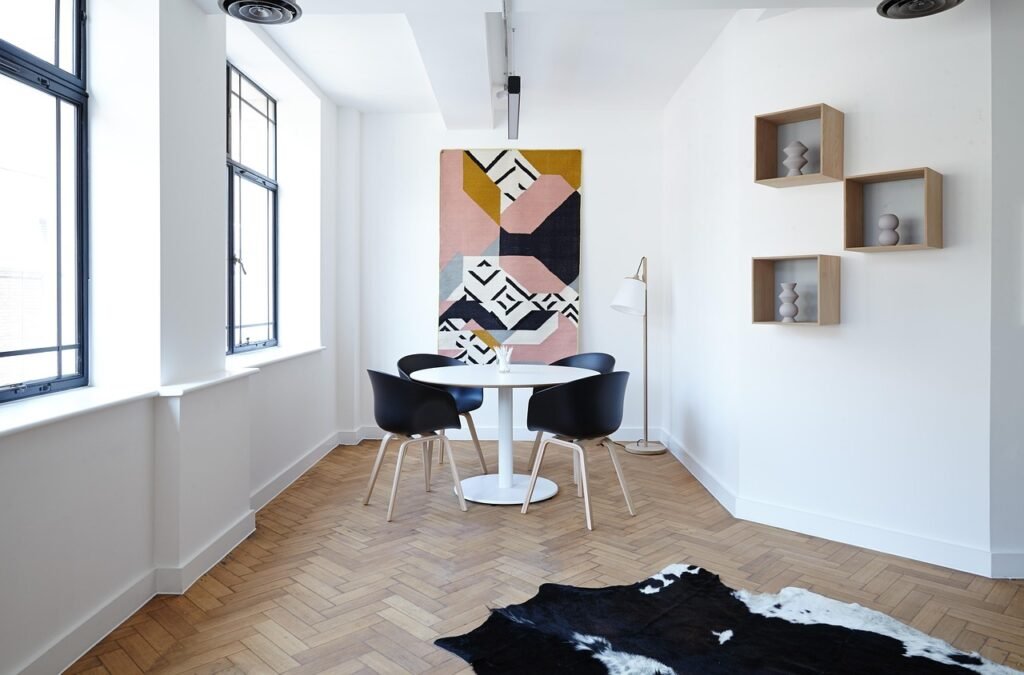
Rooms and Furniture in Arabic
Understanding the names of rooms and furniture is the first step to making your home a living classroom. Every time you enter a room or use a piece of furniture, you reinforce your learning without extra effort.
1. Rooms in the house
- غرفة المعيشة (ghurfat al-ma’eeshah) – Living room
The living room is often the center of family life. Use the word when talking about sitting, relaxing, or inviting guests. Example: أنا أجلس في غرفة المعيشة (I sit in the living room). - غرفة النوم (ghurfat al-nawm) – Bedroom
The bedroom is where you sleep and rest. Saying the word helps associate it with personal space. Example: سريري في غرفة النوم (My bed is in the bedroom). - المطبخ (al-matbakh) – Kitchen
The kitchen is full of objects you can name. Each meal or cooking session becomes an opportunity to practice words. Example: أطبخ الطعام في المطبخ (I cook food in the kitchen). - الحمام (al-hammam) – Bathroom
Using the correct Arabic terms for bathroom items builds everyday vocabulary. Example: أغسل يدي في الحمام (I wash my hands in the bathroom). - غرفة الطعام (ghurfat al-ta’am) – Dining room
The dining room connects language with culture. Talking about meals or setting the table reinforces learning. Example: نجلس لتناول الطعام في غرفة الطعام (We sit to eat in the dining room).
2. Furniture and key objects
- كرسي (kursi) – Chair
You can use this word whenever you sit down. Example: أجلس على الكرسي (I sit on the chair). - طاولة (tawilah) – Table
Tables are central to eating, studying, or working. Example: الكتاب على الطاولة (The book is on the table). - سرير (sarir) – Bed
Linking this word to the action of sleeping makes it easy to remember. Example: أنام على السرير (I sleep on the bed). - أريكة (areekah) – Sofa
Use this word when relaxing or watching TV. Example: أستريح على الأريكة (I rest on the sofa). - خزانة (khizanah) – Cabinet or closet
Closets and cabinets hold clothes or items, making them ideal for labeling. Example: الملابس في الخزانة (The clothes are in the cabinet).
Tips for practicing at home
- Label furniture with sticky notes and the Arabic word. Seeing it every day reinforces memory.
- Say the word aloud each time you use the object. Repetition helps pronunciation and recall.
- Create short sentences describing your actions. This connects words to context naturally.
Mastering the rooms and furniture vocabulary is the first step. These words are the backbone of your home-based Arabic learning. Once you are comfortable with them, you can expand to appliances, kitchen tools, and daily activities, making your home a full immersion environment.
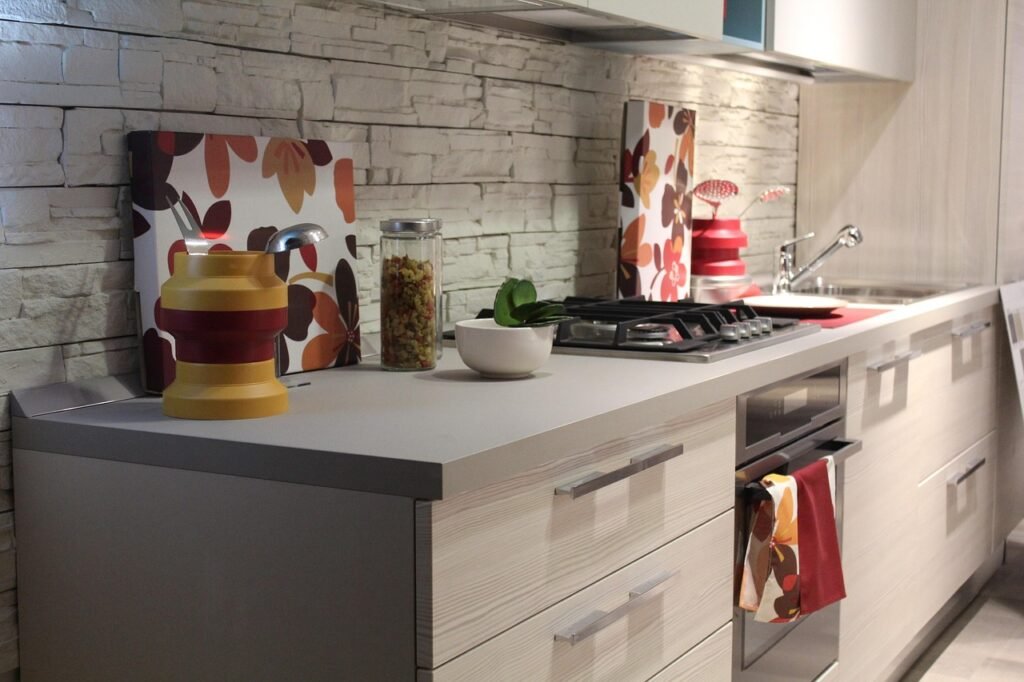
Kitchen Appliances, Tools, and Food in Arabic
The kitchen is one of the most active places in a home. It is full of objects and activities that make learning Arabic easier and more practical. Naming appliances, utensils, and food items in Arabic helps you practice vocabulary naturally while cooking, eating, or cleaning.
1. Kitchen Appliances
- ثلاجة (thallajah) – Refrigerator
You can use this word whenever you store or take out food. Example: أضع الحليب في الثلاجة (I put the milk in the refrigerator). - فرن (furn) – Oven
An oven is central to baking or cooking. Example: أخبز الخبز في الفرن (I bake bread in the oven). - ميكروويف (mikrowayf) – Microwave
A microwave is used daily for heating food. Example: أسخن الطعام في الميكروويف (I heat the food in the microwave). - غسالة الصحون (ghassalat al-suhun) – Dishwasher
Using this word helps learners connect routine actions to Arabic. Example: أغسل الصحون في غسالة الصحون (I wash the dishes in the dishwasher). - خلاط (khallat) – Blender
Blenders are used for drinks or mixing ingredients. Example: أستخدم الخلاط لصنع العصير (I use the blender to make juice).
2. Kitchen Tools and Utensils
- ملعقة (mil’qa) – Spoon
- شوكة (shawkah) – Fork
- سكين (sikkeen) – Knife
These basic utensils are essential for daily meals. Example: آكل باستخدام الشوكة والسكين (I eat using the fork and knife). - طبق (tabaq) – Plate
- كوب (kub) – Cup
Using these words helps learners talk about serving food. Example: أضع الطعام في الطبق وأشرب الماء من الكوب (I put food on the plate and drink water from the cup). - وعاء (wi’aa’) – Bowl
Bowls are used for soup, cereal, or salad. Example: الحساء في الوعاء (The soup is in the bowl).
3. Food Items
- خبز (khubz) – Bread
- حليب (halib) – Milk
- بيض (bayd) – Eggs
These are daily essentials. Example: أفطر خبز مع الحليب والبيض (I have bread with milk and eggs for breakfast). - خضار (khudar) – Vegetables
- فاكهة (fawakih) – Fruits
- لحم (lahm) – Meat
Using these words while cooking or preparing meals reinforces vocabulary naturally. Example: أضيف الخضار واللحم إلى الطبق (I add vegetables and meat to the plate).
Tips for practicing in the kitchen
- Label containers, utensils, and appliances with sticky notes in Arabic.
- Repeat the word aloud each time you use it while cooking or cleaning.
- Make sentences describing your actions: أقطع الفاكهة في الوعاء (I cut the fruit in the bowl).
- Practice with family members or housemates by asking them to hand you items using Arabic names.
The kitchen is ideal for immersive learning because it combines sight, touch, and action. By integrating Arabic vocabulary into meals, preparation, and cleaning, you transform everyday routines into learning opportunities. Over time, this builds confidence and fluency while keeping practice relevant and natural.
Living Room, Entertainment, and Bedroom Activities in Arabic
Once you know the names of rooms, furniture, and kitchen items, you can expand to daily activities and objects in the living room and bedroom. This part helps learners associate words with actions, making Arabic more practical and memorable.
1. Living Room Vocabulary
- أريكة (areekah) – Sofa
You use the sofa for resting or watching TV. Example: أجلس على الأريكة لأقرأ كتاب (I sit on the sofa to read a book). - طاولة القهوة (tawilat al-qahwa) – Coffee table
Common in the living room for drinks, snacks, or magazines. Example: أضع الكتاب على طاولة القهوة (I put the book on the coffee table). - سجادة (sijjadah) – Carpet or rug
Carpets often serve as a place to sit or for decoration. Example: ألعب على السجادة مع الأطفال (I play on the carpet with the children). - ستارة (sitara) – Curtain
Curtains control light and privacy. Example: أغلق الستارة في المساء (I close the curtain in the evening). - تلفاز (tilfaz) – Television
Television is a central source of entertainment. Example: أشاهد التلفاز بعد العمل (I watch TV after work).
2. Entertainment and Hobbies
- كتاب (kitab) – Book
Reading is a common living room activity. Example: أقرأ الكتاب على الأريكة (I read the book on the sofa). - مجلة (majallah) – Magazine
Magazines are often on coffee tables. Example: أفتح المجلة لأرى الصور (I open the magazine to see the pictures). - كمبيوتر (kumbiyutar) – Computer
Computers are used for work, learning, and entertainment. Example: أعمل على الكمبيوتر في غرفة المعيشة (I work on the computer in the living room). - هاتف (hatif) – Phone
Phones are part of daily communication. Example: أتحدث على الهاتف مع صديقي (I talk on the phone with my friend).
3. Bedroom Activities and Vocabulary
- سرير (sarir) – Bed
Using this word reinforces the idea of rest and sleep. Example: أنام على السرير كل ليلة (I sleep on the bed every night). - خزانة (khizanah) – Closet or wardrobe
Closets hold clothes and personal items. Example: أضع الملابس في الخزانة (I put the clothes in the closet). - وسادة (wisadah) – Pillow
Pillows are associated with comfort. Example: أضع الوسادة تحت رأسي (I put the pillow under my head). - بطانية (bataniah) – Blanket
Blankets are essential for warmth and comfort. Example: أغطي نفسي بالبطانية (I cover myself with the blanket). - مصباح (misbah) – Lamp
Lamps provide light for reading or working at night. Example: أشعل المصباح قبل النوم (I turn on the lamp before sleeping).
Tips for practicing in living rooms and bedrooms
- Label furniture, electronics, and personal items in Arabic.
- Narrate your actions in Arabic, e.g., أجلس على الأريكة لأشاهد التلفاز (I sit on the sofa to watch TV).
- Include family members in practice by asking them to hand items using Arabic words.
- Pair objects with verbs to create simple, useful sentences: أضع الكتاب على الطاولة (I put the book on the table).
Focusing on living room and bedroom vocabulary connects language with daily routines. By saying words out loud while performing actions, learners move from memorization to practical understanding. This method strengthens memory, pronunciation, and confidence.
Practical Tips, Advice
Learning Arabic through household words is an effective way to integrate the language into your daily life. By using words for rooms, furniture, appliances, and activities, you create constant exposure to the language. Repetition and context make retention easier and more natural.
Practical Tips for Daily Learning
- Label everything in your home with Arabic words. Stick notes on doors, tables, appliances, and even food containers.
- Narrate your actions aloud. Simple sentences like أضع الحليب في الثلاجة (I put the milk in the refrigerator) connect words to daily activities.
- Practice with family members or friends. Asking for items in Arabic, like أعطني الملعقة (Give me the spoon), turns learning into a conversation.
- Create small daily routines. For example, every morning, name five items in Arabic as you move through your house.
- Record yourself saying words and sentences. Listening back helps correct pronunciation and improves confidence.
Using Arabic in Context
The goal is not just to memorize words, but to use them in context. Associating words with actions and objects strengthens memory. For example, every time you sit on a chair, repeat أجلس على الكرسي (I sit on the chair). Every time you cook, narrate the process using the Arabic names of ingredients and tools. These small habits build fluency over time.
Ramdani Arabic Academy
At Ramdani Arabic Academy, we focus on making Arabic learning practical and engaging. Our lessons, courses, and articles guide learners to use Arabic in real-life situations, not just in theory. Learning words for your house is one of many strategies we teach to make Arabic part of your daily routine. Our courses also include pronunciation practice, cultural insights, and interactive exercises to help learners progress efficiently.
About the Author
Ramdani Mohamed, founder of Ramdani Arabic Academy, has dedicated his work to helping learners worldwide connect with the Arabic language. His approach emphasizes practical usage, immersion, and context-based learning. By encouraging learners to use Arabic in their homes, he bridges the gap between classroom study and real-life fluency.
Final Advice
Consistency is key. Spend a few minutes every day practicing words in context. Start with familiar objects, then expand to less common items. Use your home as a living classroom, and gradually incorporate more sentences and phrases. Remember, learning a language is not about perfection, but about communication. Every effort, repetition, and practice moves you closer to fluency.
By following these steps, you can turn your home into a space where Arabic is alive, practical, and meaningful. Using household words daily gives you confidence, reinforces vocabulary naturally, and makes learning Arabic a part of your lifestyle.