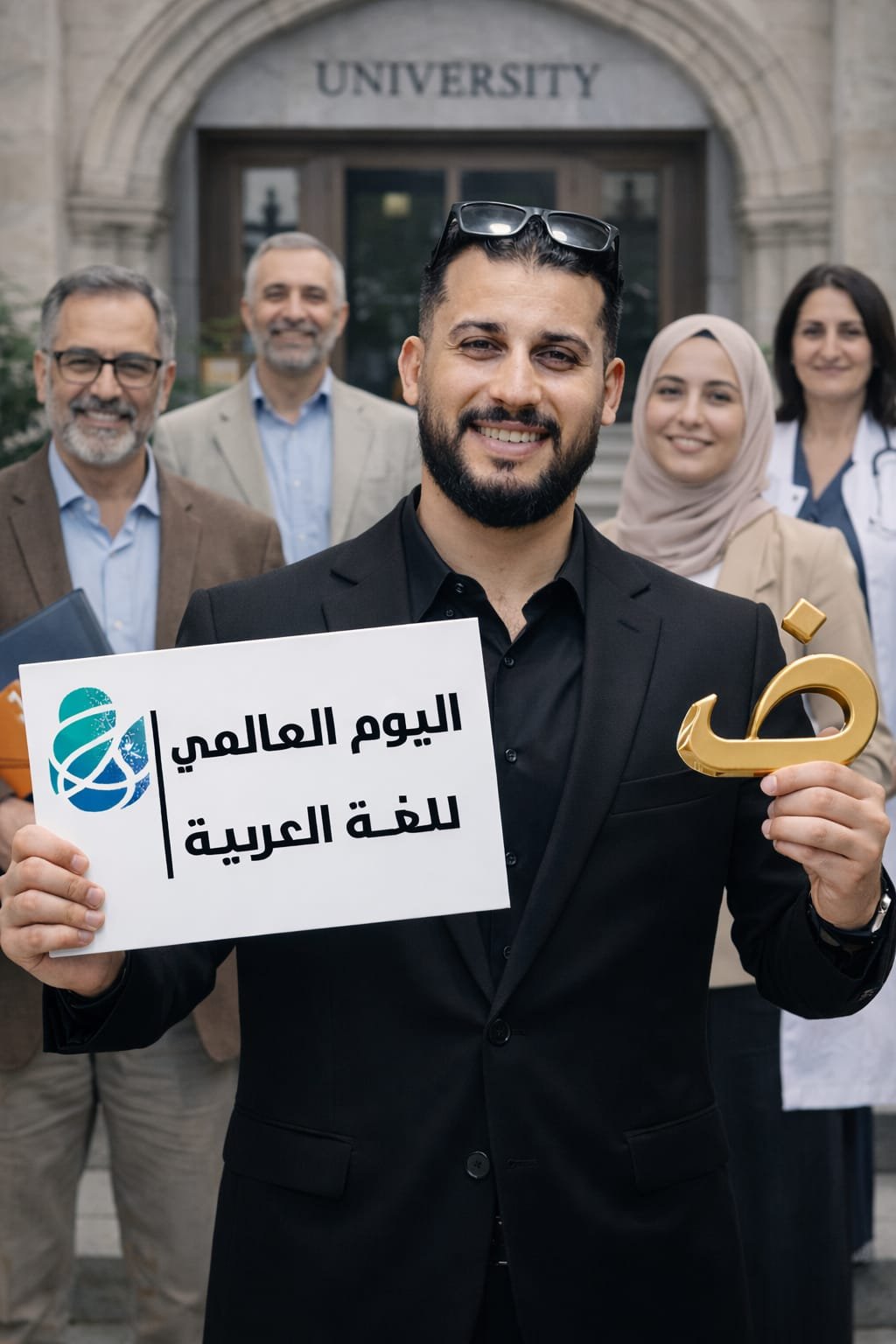
7 Powerful Reasons to Start Learning Arabic in 2026 and Succeed as a Beginner
Learning Arabic in 2026 feels different than it did a few years ago.
You now have more choices.
More apps.
More videos.
More courses.
Yet many beginners still struggle.
They jump between resources.
They memorize random words.
They quit after a few weeks.

You do not need more chaos.
You need a simple system.
This article gives you a clear path to start Arabic the right way in 2026.
Why Arabic Is Worth Learning
Arabic is spoken by over 400 million people.
It opens doors to:
- Travel in the Middle East and North Africa
- Careers in business, diplomacy, and education
- Understanding Islamic and classical texts
- Connecting with new cultures
But beyond opportunities, Arabic gives you something deeper.
You gain access to a rich way of thinking.
You hear ideas expressed in a different rhythm.
You start seeing the world through another lens.
That is powerful.
What Makes Arabic Hard for Beginners
Arabic feels hard for three main reasons.
New Alphabet
Arabic letters look unfamiliar.
But they follow patterns.
Once you learn those patterns, reading becomes easier.
Different Sounds
Some sounds do not exist in English.
You must train your mouth and ears.
Dialects vs Standard Arabic
Arabic has many spoken dialects.
Modern Standard Arabic is used in news, books, and formal speech.
Beginners often feel confused about which one to learn.
Good news.
You can start with Modern Standard Arabic.
Then add a spoken dialect later.
What Learning Arabic in 2026 Looks Like
You no longer need textbooks only.
You can combine:
- Online courses
- Video lessons
- Speaking practice
- AI tools
- Native teacher guidance
But technology alone does not teach you.
Consistency does.
A simple daily routine beats long weekly sessions.
20 minutes every day works better than 3 hours once a week.
Step 1: Learn the Alphabet First
Do not skip this step.
Spend your first two weeks on:
- Recognizing letters
- Writing letters
- Connecting letters
- Reading simple words
Example:
ب = b
بـا = ba
باب = baab (door)
Read slowly.
Sound everything out.
Once you can read, everything becomes easier.
Step 2: Build Core Vocabulary
Start with words you actually use.
Focus on:
- Greetings
- Numbers
- Family
- Food
- Daily actions

Example:
Hello → مرحبا
I want → أريد
Water → ماء
Where → أين
Create short sentences.
I want water.
أريد ماء
Simple.
Useful.
Step 3: Learn Basic Sentence Structure
Arabic sentences often follow:
Verb + Subject + Object
Example:
I eat bread.
آكل الخبز
You do not need advanced grammar.
Learn:
- Present tense verbs
- Gender (masculine and feminine)
- Singular and plural
That is enough for early conversations.
Step 4: Start Speaking Early
Do not wait until you feel ready.
You will never feel ready.
Start speaking with:
- Your teacher
- Language partners
- Recording yourself
Say short sentences.
Make mistakes.
Mistakes mean progress.
Step 5: Listen Every Day
Your brain learns through exposure.
Listen to:
- Simple Arabic podcasts
- Beginner videos
- Slow Arabic news
Even if you understand 20 percent.
Your brain adapts.
A Smart Way to Learn Online
Many beginners waste time jumping between random platforms.
You need structure.
One example of a structured learning platform is Ramdani Arabic Academy.
Ramdani Arabic Academy offers:
- Step by step Arabic programs
- Clear beginner paths
- Speaking focused lessons
- Live guidance
The academy is led by Mohamed Ramdani, an experienced Arabic instructor who focuses on helping non-Arabic speakers build real communication skills.
His teaching style is practical.
He emphasizes:
- Understanding before memorizing
- Speaking from day one
- Simple explanations
- Steady progress
Many learners prefer this approach because it removes confusion.
You always know what to study next.
How Long Does It Take to Learn Arabic
This depends on your consistency.
General estimate:
- 3 months
Basic reading and simple conversation - 6 months
Comfortable daily topics - 12 months
Solid intermediate level
Daily effort matters more than talent.
Common Beginner Mistakes
Avoid these.
- Studying grammar all day
- Ignoring speaking
- Switching courses constantly
- Expecting fast fluency
Arabic is a marathon.
Not a sprint.
A Simple Daily Study Plan
Try this:
10 minutes
Alphabet or reading practice
10 minutes
Vocabulary and sentences
10 minutes
Listening or speaking
That is enough.
Do it every day.
How to Stay Motivated
Motivation fades.
Habits remain.
Tie Arabic to your life.
- Watch Arabic content you enjoy
- Follow Arabic creators
- Set small goals
Example goal:
This week I will learn 30 new words.
This month I will hold a 5 minute conversation.
Small wins create momentum.
Final Thoughts
Arabic in 2026 is more accessible than ever.
But tools alone will not teach you.
A clear plan will.
Start with letters.
Build vocabulary.
Speak early.
Stay consistent.
If you want structured guidance, platforms like Ramdani Arabic Academy and instructors like Mohamed Ramdani offer a clear path for beginners who want real progress.
You do not need perfection.
You need action.
Start today.