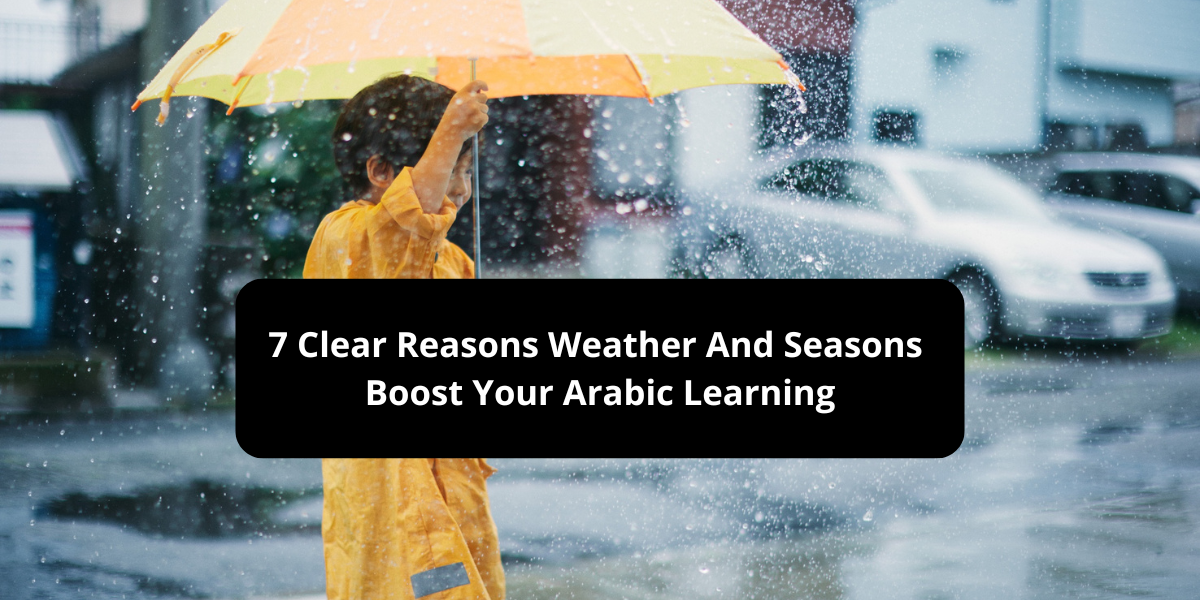
7 Clear Reasons Weather And Seasons Boost Your Arabic Learning
Weather influences daily life in direct ways that most people notice without effort, which is why it becomes an easy entry point for anyone learning Arabic. You think about weather when you choose your clothes, when you plan your day, and when you decide whether to stay inside or go out. You hear people mention it in conversations at home, at work, and in public places. This constant presence makes weather a reliable topic for practice, especially for beginners who want something simple and useful to talk about. It gives you vocabulary that you can use immediately, and it allows you to form complete sentences even when your level is basic.
Many learners struggle to choose topics that feel natural in casual conversations. Weather helps solve that problem because it works in every culture and every region. Talking about temperature, rain, wind, or seasonal changes does not require advanced grammar. You can express your ideas with straightforward language and still communicate a clear message. When you learn to describe what the weather is like today, what it was like yesterday, or what you expect tomorrow, you are already building real communication skills. These small but practical steps help you move from memorizing lists to actually using the language.
Weather is also a topic that lets you see the diversity of the Arabic-speaking world. When you speak about it, you start to notice how different countries experience different climates. You see the contrast between desert heat in the Gulf, coastal breezes in North Africa, mountain snow in Lebanon, and mild winters in some parts of the Maghreb. Understanding these differences helps you understand why daily routines, clothing choices, and local habits change from place to place. It also helps you understand the words native speakers use to describe their environments. This context builds cultural awareness, which is an important part of learning any language.
Seasons add another layer that benefits learners. Each season brings its own activities, foods, celebrations, and routines, which naturally creates new vocabulary for you to learn. When you study spring, you learn words related to flowers, growth, and pleasant weather. When you look at summer, you find expressions about heat, holidays, and travel. Autumn introduces ideas connected to shorter days and changes in nature. Winter brings terms related to cold temperatures, rain, snow, and staying indoors. Each of these sets of vocabulary makes your communication richer and more complete, because you gain language that applies directly to real events.
You also find weather and seasons in media and public communication. News channels report daily forecasts. Websites update temperatures and wind conditions. Social media posts often mention storms, rain, or high heat. These reports usually use clear and repetitive patterns, which are ideal for learners. They help you practice listening, reading, and understanding numbers, directions, and measurements. Over time, you become more comfortable with these structures, and you begin to recognize them without needing to translate them in your head.
Daily communication also depends on weather more than people realize. Families make decisions about clothing, travel, and outdoor plans based on it. Workers check the forecast before commuting. Travelers choose routes depending on weather conditions. Each of these actions involves simple vocabulary you can learn early. When you master these words, you can take part in these everyday conversations with ease, which helps you integrate better into Arabic-speaking environments.
The value of weather as a learning topic becomes even clearer when you consider long-term progress. It gives you a simple foundation of verbs, adjectives, and nouns. It teaches you how to form questions and answers. It introduces you to useful patterns like “today it is,” “yesterday it was,” and “tomorrow it will be.” These patterns appear in many other topics, so once you learn them through weather, you can use them in new situations without difficulty. This boosts your confidence and makes future topics easier to understand.

This introduction prepares you for the next parts of the article, where the focus will move from basic ideas to more detailed explanations and practical examples. You will see how to use weather vocabulary in real conversations and how to describe seasons with clarity. You will also see how this topic supports your overall progress and why it remains one of the most effective ways to start expressing yourself in Arabic with steady confidence.
Weather Vocabulary, Seasonal Patterns, and Real Use
Weather plays a direct role in the way people communicate, and this makes it a strong foundation for anyone studying Arabic. When you begin learning weather vocabulary, you gain a group of words that appear everywhere. You hear them in daily conversations, school announcements, radio forecasts, and social media posts. Terms like hot, cold, rain, wind, sun, and clouds give you the chance to describe what you see and feel around you. These words help you speak about the present moment, which is one of the easiest ways to practice a new language. The more you use them, the more confident you become with basic sentence structure.
As you build this vocabulary, you also start to notice how native speakers talk about changes in weather. They mention small details such as rising temperatures in the morning or wind picking up at night. These simple patterns help you understand how verbs and adjectives work together in Arabic. You learn how to describe what is happening and what will happen next. This step is important because it takes you from naming words to building actual descriptions. For example, you can move from saying “hot” to saying “the weather is hot today” and later to “it might get hotter tomorrow.” This natural progression strengthens your communication skills without overwhelming you.
One useful aspect of talking about weather is how it connects to your daily behavior. When you describe weather, you often explain your choices. You might talk about carrying an umbrella, staying indoors, or planning an early walk because of heat. These explanations allow you to expand your sentences and introduce new verbs. They also give listeners more information, which makes your conversations feel more complete. Over time, this helps you express personal opinions and preferences, which are essential skills for every learner.
Weather also supports listening practice. Forecasts in Arabic follow clear patterns. They mention temperatures, expected changes, and simple descriptions like cloudy, clear, or windy. These reports often repeat key words, which helps you train your ear. When you listen to them regularly, you start recognizing numbers faster and learning how speakers combine weather terms with time expressions. This prepares you for more advanced topics, because numbers and time phrases appear everywhere in the language.
Seasonal vocabulary adds more depth to your learning. Each season carries its own rhythm, and Arabic has specific terms to describe them. Spring is associated with growth and comfortable temperatures. Summer brings strong heat in many regions. Autumn introduces cooler weather and shorter days. Winter brings cold nights, rain, and sometimes snow in mountain areas. These differences make your vocabulary more varied. They also help you understand why certain activities, foods, and traditions appear during specific times of the year. When you learn how people live during each season, you develop a clearer picture of daily life in the Arab world.
Seasons also help you express comparisons, which is another key step in language learning. You can compare today’s temperature to yesterday’s, or you can compare one season to another. These comparisons teach you how to use simple structures while sharing personal experiences. They also show you how to describe changes over time, which makes your language sound more natural. You begin forming longer sentences without needing advanced grammar tools.

Another advantage of this topic is how it connects to different regions. Arabic is spoken across many climates, and each region has its own weather habits. People in the Gulf often discuss humidity and high temperatures. People in North Africa speak about coastal winds and seasonal rain. People in the Levant talk about snow in mountain areas. When you learn how weather works in each place, you understand why some expressions are more common in certain countries. This shapes your cultural understanding and helps you speak in a way that matches the region you are interacting with.
Weather is also a safe topic that encourages participation. Many learners hesitate to speak because they worry about making mistakes. Talking about weather reduces this pressure because the content is familiar. You already know what cold feels like or what a rainy day does to your plans. When you express these ideas in Arabic, you focus on language rather than complex thinking. This makes speaking practice smoother and more comfortable.
As your vocabulary grows, you also start using weather to express your personal routine. You can talk about waking up early in summer to avoid heat, or staying indoors during winter evenings. You can talk about outdoor activities, morning walks, or how changes in weather affect your mood. These small additions help you create personal stories, which are valuable for practice. They also make your Arabic sound more human, because real conversations are built on real experiences.
Weather and seasons continue to support your learning as you progress. They give you material for reading, writing, listening, and speaking. They help you practice verbs, adjectives, and time expressions. They introduce cultural context that enriches your understanding. They offer enough variety to keep your learning active and fresh without overwhelming you.
Communication, Cultural Context, and Practical Use
Weather and seasons are not only vocabulary topics. They help you understand how people in different regions think, plan, and communicate. When you listen to native Arabic speakers talk about weather, you notice how often it appears in daily conversations. People use it to comment, ask questions, start discussions, or explain decisions. This makes weather a social tool that lets you participate in conversations even when your level is not advanced. You can enter a discussion with a simple remark about temperature or a question about expected rain, and this small step builds connection with others.
This topic also shows the practical side of language. People rely on weather information to manage time, plan travel, and organize family or work schedules. They check forecasts before leaving home or preparing for a long trip. They adjust routines during hot seasons or when a cold wave arrives. These actions create moments where clear and simple language is used. When you learn how speakers talk about these situations, you gain expressions you can use immediately. You can describe your plans, ask about conditions, or respond to someone else’s comments using natural phrases.
Cultural context becomes more visible as you explore how different regions handle weather. In many Gulf countries, summer heat shapes daily life. People stay indoors during the afternoon and plan activities for early morning or evening. In North African coastal areas, wind and humidity influence clothing choices and daily movement. In the Levant, winter brings rainstorms and occasional snow, which affects travel and school schedules. Understanding these differences helps you adjust your language to match the region you are studying or interacting with. It also gives you a clearer picture of how weather influences habits, food choices, celebrations, and work patterns.
Learning to talk about seasons also supports your understanding of time expressions, which are essential in Arabic. When you describe what you usually do in summer or how your schedule changes in winter, you practice repeating patterns that appear in many parts of the language. These patterns help you describe habits, routines, and predictions. They make your sentences more complete because you connect time with actions. This is important for building fluency, since fluent communication depends on expressing when something happens, not only what happens.
Another advantage of this topic is how it connects to personal experience. You can relate weather to your mood, energy, or daily choices. You might feel more active when the weather is mild or more tired when temperatures rise. You might enjoy rain or prefer sunny days. When you express these simple preferences in Arabic, you practice sharing opinions, which is a major step in developing natural conversation skills. You also create opportunities to understand other people’s experiences and compare them to your own.
Weather and seasons also help you practice storytelling. You can describe a trip affected by unexpected rain or a day when strong wind changed your plans. These stories do not require complex vocabulary. They rely on clear sequencing and simple language, which makes them ideal practice material. By telling these small stories, you learn how to connect events, describe details, and express the result of a situation. You also develop a more confident speaking style because you rely on experiences you already understand well.
This topic supports reading practice as well. Many articles, news updates, and educational materials mention weather in simple forms. Forecasts focus on temperatures, wind, humidity, and general conditions. They follow a predictable structure that helps you train your reading skills. Over time, you learn to recognize key words quickly and understand the meaning without translating each sentence. This improves your overall reading fluency and prepares you for more advanced texts.
Weather also plays a role in travel and regional understanding. When you study the climate of Arabic-speaking countries, you learn why certain places attract tourists at specific times of the year. You see how cities prepare for holiday seasons and how local traditions adapt to weather patterns. This information helps you understand social behavior and gives you more topics to discuss with native speakers. It also improves your ability to describe places, which is valuable when you talk about geography, culture, or personal travel experiences.
As you continue building your skills, weather remains useful even at higher stages of learning. Advanced learners still use weather terms to support discussions about agriculture, environment, and regional differences. They use seasonal vocabulary when talking about food production, market prices, or traditional celebrations. This shows how a simple topic can grow with you and remain relevant throughout your study journey. It gives you a solid base that connects to many subjects and strengthens your overall communication ability.

Weather and seasons stay valuable because they combine simple vocabulary with meaningful content. They help you speak clearly, understand others, and engage in everyday communication with confidence. They offer structure, repetition, and real-life context, which are important parts of effective language learning.
Advice for Learners, About the Academy, and About the Author
Weather and seasons give you a practical path to build your Arabic skills. They offer simple vocabulary, clear patterns, and real situations that help you speak with confidence. When you use these topics in conversation, you practice describing what you see, what you expect, and how you feel. This develops your ability to express ideas in a direct and natural way. You also start to understand how people in different Arabic-speaking regions experience daily life. This knowledge strengthens your cultural awareness and helps you connect with speakers from diverse backgrounds.
As you move forward in your learning, you can use weather in different ways to support your progress. You can listen to short forecasts each day to improve your understanding of numbers and basic verbs. You can read simple reports from news websites to practice new vocabulary. You can talk about weather changes in your own city to build confidence in speaking. These small habits help you grow step by step, and they give you material that stays useful at every stage. You do not need complex topics to build strong language skills. You only need clear and consistent practice with things that appear in your daily life.
When you study seasons, you also learn how to talk about routines, habits, and yearly changes. You can describe what you usually do when summer heat arrives or what your schedule looks like during cold months. These descriptions help you build longer sentences, use time expressions, and explain personal choices. They also prepare you for conversations about travel, holidays, and traditions. Over time, this helps you speak with more detail and express ideas that go beyond basic statements.
To make steady progress, try using weather vocabulary in different forms. Write short notes about the weather each morning. Speak out loud about what you see when you look outside. Compare today’s weather with yesterday’s. Talk about the kind of weather you prefer. These simple tasks help you create natural language habits. They also make you more comfortable with speaking, which is one of the main goals for learners.
If you want structured support, you can rely on the resources offered by Ramdani Arabic Academy. The academy provides lessons, exercises, and articles designed to help learners build strong skills with clear and simple explanations. The goal is to give you language that you can use in real conversations, not just memorize in lists. The academy focuses on topics that connect to daily life, because these topics help you speak confidently and understand native speakers more easily. You find lessons about vocabulary, grammar, pronunciation, and cultural habits, all presented in a clear and practical style.
Ramdani Arabic Academy also aims to support learners around the world who want guidance at their own pace. Whether you prefer reading articles, watching lessons, or practicing with exercises, you can choose the method that suits your learning style. The material is designed to help you progress gradually so you do not feel overwhelmed. You gain the tools you need to handle basic conversations and then move toward more advanced topics when you are ready.
This article was written by Ramdani Mohamed, the founder of Ramdani Arabic Academy. His goal is to make Arabic accessible to learners everywhere by using simple explanations, real examples, and practical topics. He believes that every learner can improve with steady practice and clear guidance. His work focuses on giving students the confidence to use Arabic in real situations, not only in the classroom. Through the academy, he continues to create lessons, courses, and educational content that support learners at every level.
Weather and seasons remain powerful starting points for building your skills. They help you describe the world around you, understand regional differences, and participate in daily conversations. When you practice regularly and use clear language, you strengthen your ability to communicate in a natural way. With support from structured resources like Ramdani Arabic Academy, you can continue growing and reach the level of communication you aim for.