10 Famous Arabic Foods Loved Worldwide
Arabic food tells the story of a civilization that has lasted for centuries. It reflects the journey of traders, travelers, and families who passed down recipes from one generation to another. Every dish holds history, culture, and tradition. The aroma of spices, the sound of sizzling pans, and the sharing of meals with others make Arabic cuisine more than food—it is a way of life.
When you taste Arabic food, you experience a mix of regions and influences. The Middle East, North Africa, and the Arabian Peninsula share similar roots, yet each area adds its own touch. From the coasts of Lebanon to the deserts of Saudi Arabia, Arabic food represents both diversity and unity.
Bread, rice, and olive oil form the base of most Arabic meals. They are not just ingredients but symbols of hospitality. In Arab homes, food is not eaten alone. It is shared with guests, family, and even strangers. Serving food generously shows respect and kindness. This tradition still defines Arab culture today.
Let’s start with Lebanon and Syria, known for their vibrant dishes that combine freshness and balance. Hummus, made from chickpeas and tahini, is one of the most famous Arabic foods worldwide. It is smooth, simple, and full of flavor. It is eaten with warm pita bread and often served with olive oil and paprika. Tabbouleh, a salad made with parsley, tomatoes, and bulgur, adds color and freshness to the table. These dishes reflect the love for healthy ingredients and the importance of balance in Arabic cooking.
In Palestine and Jordan, the food tells stories of family gatherings and celebration. Mansaf, for example, is considered the national dish of Jordan. It is made with lamb cooked in a sauce of fermented yogurt and served with rice. Mansaf is not only food; it is a symbol of pride and unity. It is traditionally eaten with the right hand while sitting together, showing respect and connection among people.
In the Gulf region, food represents the spirit of desert life. Dates, milk, and meat are central. One of the most loved dishes is Kabsa, a rice meal cooked with meat, vegetables, and a blend of spices such as cardamom and cloves. It fills the home with a warm aroma that welcomes everyone inside. In Saudi Arabia, Kuwait, and the UAE, Kabsa is served during weddings, festivals, and family gatherings.
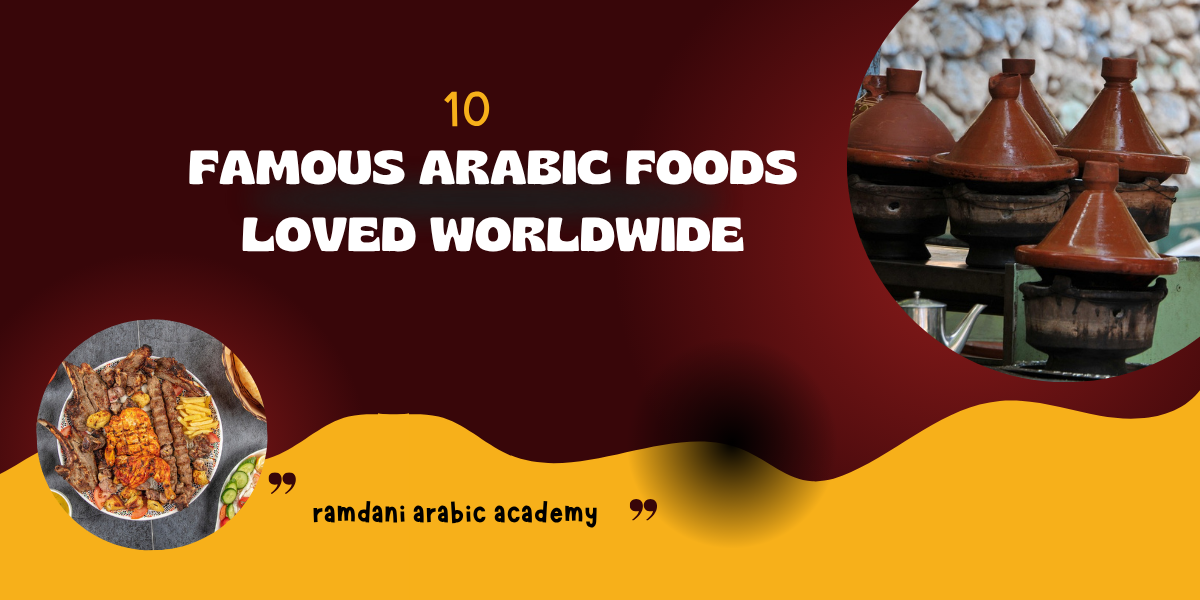
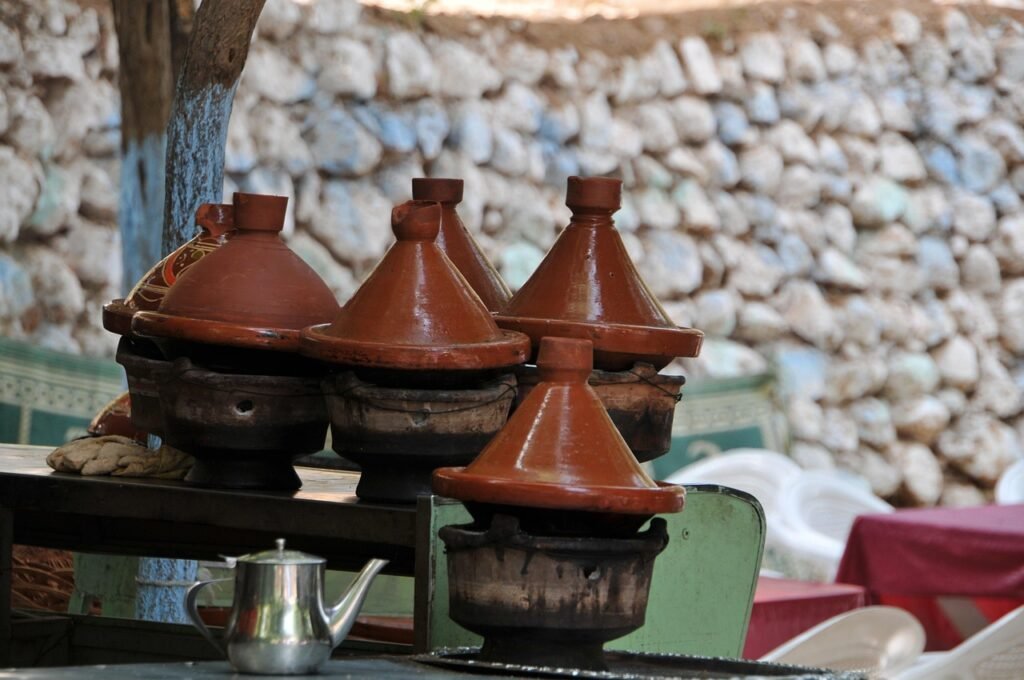
Travel west to North Africa, and you find dishes with deep color and strong spice. In Morocco, couscous stands as a national favorite. It is steamed semolina served with meat and vegetables cooked in a rich broth. The dish shows how simple ingredients can create deep flavor. Another iconic dish, tagine, named after the clay pot it’s cooked in, uses slow heat to blend spices like saffron, cumin, and cinnamon with meat or vegetables. Each bite tastes like the land it came from.
In Egypt, the heart of the Arab world, food carries ancient roots. Koshari is one of the most popular dishes. It mixes rice, lentils, pasta, and fried onions with tomato sauce. It’s cheap, filling, and loved by everyone. Egyptians eat it in homes and street stalls alike. The dish reflects the creativity of a culture that knows how to make something great from simple things.
Arabic food also celebrates sweets. Baklava, made with layers of pastry and nuts soaked in syrup, brings sweetness to every occasion. Kunafa, a cheese or cream dessert covered in shredded pastry, is served during Ramadan and family events. Sweets in Arab culture are not just desserts; they are a way to express joy and mark important moments.
Spices give Arabic food its identity. Cumin, coriander, turmeric, and sumac turn every dish into a sensory experience. They do more than flavor food—they tell the story of ancient trade routes that connected Arabia with India, Africa, and the Mediterranean.
Arabic cuisine is not about one country. It is about a shared culture that values hospitality, flavor, and togetherness. Whether you are eating shawarma on a busy street or sharing a plate of maklouba at home, the feeling is the same. You feel welcome.
Arabic food invites the world to slow down and share. Each dish is an open door to a culture that loves connection. When people from different places taste Arabic food, they discover more than spices—they discover the spirit of the Arab world.
The History and Cultural Meaning of Arabic Food
Arabic food did not appear overnight. It developed over thousands of years through trade, travel, and cultural exchange. The Arab world once stood at the center of old trade routes that connected Asia, Africa, and Europe. Spices, grains, and cooking methods moved with travelers, merchants, and pilgrims. As a result, Arabic cuisine became a living record of those connections.
The early Arabs were mostly desert dwellers. Their food reflected survival in harsh conditions. Dates, milk, and meat were the main sources of energy. These ingredients were easy to store and carry during long journeys across the desert. Even today, dates and milk hold a special place in Arabic meals. They remind people of the Bedouin lifestyle and its values of simplicity and generosity.
When Islam spread across the region, food traditions expanded. Muslim travelers and scholars carried recipes to distant lands. Cities like Baghdad, Damascus, and Cairo became centers of culture and learning. In those cities, new dishes were born. Books were written about cooking, and royal kitchens experimented with spices from India and herbs from Persia. What we now call Arabic food is the result of that long blending process.
Food also became part of religion and social life. In Ramadan, families fast during the day and share special meals at night. Dishes like soup, bread, and sweets such as qatayef are prepared to break the fast. This daily act connects people with their faith and with each other. During Eid celebrations, sharing food with neighbors and the poor shows gratitude and unity.
Hospitality stands at the center of Arabic culture. A guest is treated with respect and care, and food is the main expression of that respect. In Arab homes, you will often hear the phrase “tafaddal,” which means “please, help yourself.” It reflects the open and giving nature of the people. Refusing food can be seen as impolite because sharing a meal means sharing friendship.
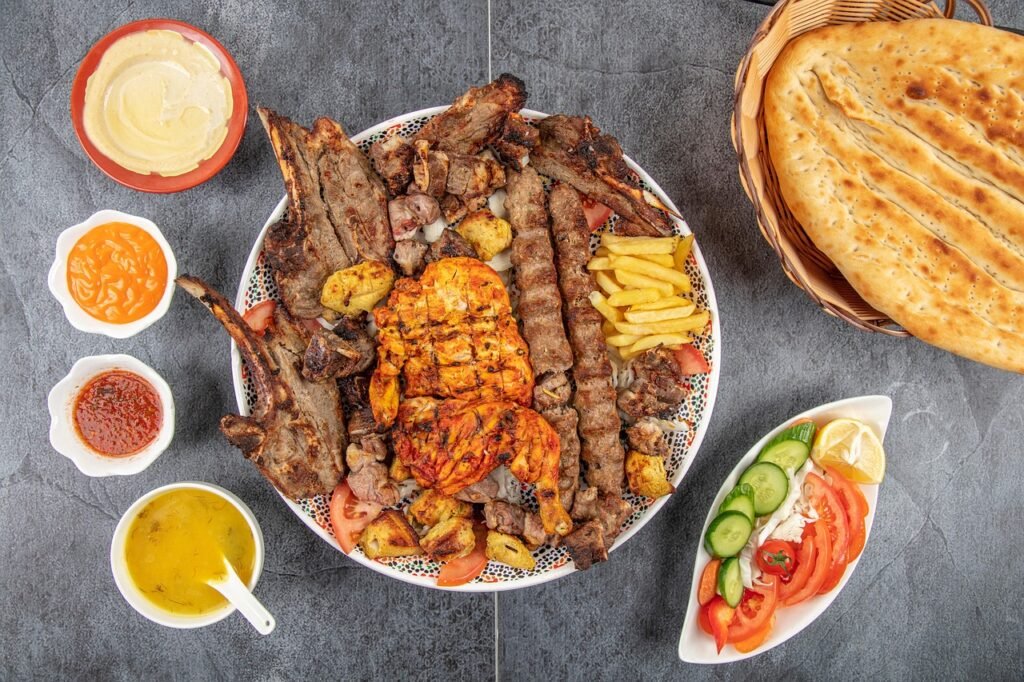
Regional differences make Arabic food rich and diverse. In the Levant, the focus is on freshness and balance. Olive oil, lemon, and herbs give the food a light and clean taste. In the Gulf, spices like saffron and cinnamon dominate. In North Africa, strong flavors from chili, cumin, and preserved lemon define the cuisine. Each area uses what nature provides, turning local ingredients into dishes full of meaning.
Food also carries identity. For many Arabs living abroad, cooking traditional dishes helps them stay connected to their roots. A pot of lentil soup, a plate of falafel, or the smell of cardamom coffee can bring back memories of home. Arabic food is not just something to eat; it is a bridge between generations and a reminder of where one comes from.
Over time, Arabic cuisine has influenced other cultures as well. The Spanish “paella,” for example, is believed to have roots in Arab rice dishes introduced during the time of Al-Andalus. Many Mediterranean desserts and sauces trace their techniques to Arab kitchens. This exchange continues today as Arabic restaurants open across the world, inviting new audiences to taste its heritage.
Arabic food remains one of the strongest cultural symbols of the Arab world. It reflects patience, creativity, and respect for nature. Cooking in Arabic culture is not a task; it is an act of love. Every dish represents care for others and appreciation for what the land provides.
Famous Arabic Dishes and Their Role in Daily Life
Arabic food connects people through daily meals and special occasions. Every dish has a story, a reason, and a moment when it appears on the table. Some dishes are simple and eaten every day. Others are prepared only for guests or celebrations. Together, they shape how Arab families live and gather.
Hummus is the most recognized Arabic dish worldwide. It is made by blending chickpeas, tahini, lemon juice, garlic, and olive oil. The result is a creamy dip served with warm pita bread. Hummus is found in homes, cafes, and restaurants from Beirut to Cairo. It represents balance—light, healthy, and satisfying. People eat it for breakfast, lunch, or as a side dish. It has become a symbol of the Arabic approach to food: simple ingredients, deep flavor.
Falafel is another common favorite. These fried balls of ground chickpeas or fava beans are crispy on the outside and soft inside. Falafel is cheap, filling, and often sold by street vendors. It is part of daily life in Egypt, Lebanon, and Palestine. Wrapped in bread with salad and tahini sauce, it becomes a complete meal. For many families, falafel Fridays are a tradition.
Shawarma reflects the urban side of Arabic food. It is sliced meat cooked on a vertical rotisserie, usually served in bread with garlic sauce or pickles. Shawarma stands are everywhere in Arab cities. The smell of roasting meat fills the streets at night. For students, workers, and travelers, shawarma is fast, tasty, and familiar. It shows how Arabic food adapts to modern life without losing its roots.
Some dishes belong to special occasions. Mansaf in Jordan and Kabsa in Saudi Arabia are classic examples. These meals are made for weddings, religious holidays, and important guests. They are cooked in large portions and served on shared trays. Eating from one plate shows unity and equality. The host often eats last to make sure everyone else has enough. These customs turn food into a language of respect.
In Lebanon and Syria, family tables are known for mezze—a collection of small dishes served together. These include hummus, baba ghanoush, tabbouleh, stuffed grape leaves, and more. Mezze is not just food; it is a style of eating. It invites conversation. People sit for hours, eating slowly and sharing stories. This reflects the Arabic idea that meals are not rushed. They are experiences to be enjoyed with others.
Couscous is the heart of North African cuisine. It is made from steamed semolina and served with vegetables and meat cooked in broth. In Morocco, Algeria, and Tunisia, families gather on Fridays to eat couscous after prayer. It represents togetherness. Each region adds its own touch—some use chickpeas and carrots, others use raisins and onions. But the meaning is the same: unity and family.
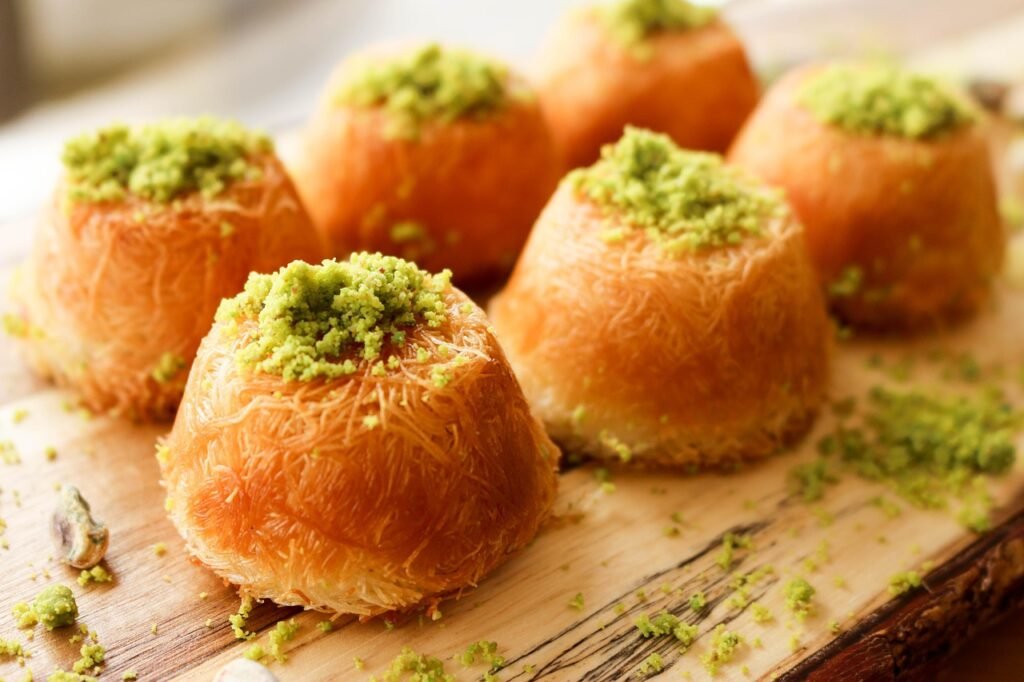
Sweets also play a major role in Arabic life. Baklava is famous for its layers of pastry, nuts, and syrup. It is served during holidays, weddings, and visits from guests. Kunafa combines pastry and cheese or cream, soaked in sweet syrup. It is often shared during Ramadan nights. These desserts show how Arabic cooking blends richness with celebration.
Drinks complete the meal. Arabic coffee, flavored with cardamom, is a symbol of hospitality. It is served in small cups without sugar. Guests sip it slowly while talking. Refilling the cup shows generosity. Mint tea, especially in North Africa, carries the same meaning. Serving tea is a gesture of respect and welcome.
Arabic dishes are more than recipes. They are part of a lifestyle that values sharing and gratitude. Cooking is often a family activity. Mothers and grandmothers teach younger generations how to prepare food with care. Every ingredient has a purpose, and nothing goes to waste. Even in busy cities, many people still cook traditional meals at home.
Arabic food continues to spread beyond its borders. Restaurants around the world now serve hummus, shawarma, and falafel. For many non-Arabs, these dishes are their first taste of Arab culture. Through food, people discover a culture built on generosity and connection.
final words
Arabic food teaches more than taste. It teaches patience, respect, and the value of sharing. Every dish comes from a story that connects people to family, faith, and tradition. To learn Arabic food is to learn a way of life.
If you want to experience Arabic cuisine, start small. Try making simple dishes like hummus or falafel. Focus on using fresh ingredients and natural spices. Cook slowly. Taste as you go. Arabic food rewards attention and care. When you share it with others, you understand what hospitality means in Arab culture.
Visit local Arabic restaurants or markets. Talk to the owners. Ask about their recipes. Many will gladly tell you how their families prepared certain meals back home. You will learn that Arabic cooking is not about perfection. It is about connection.
For Arabic learners, food is also a language lesson. The names of dishes, ingredients, and traditions give you a window into the culture. Words like “mansaf,” “kabsa,” and “maqluba” carry meaning beyond translation. They tell stories about places, people, and customs. Learning Arabic through food helps you see the language as something living and practical.
At Ramdani Arabic Academy, we believe culture is the key to mastering the language. We offer lessons, courses, and articles that bring Arabic to life through history, food, and daily expression. Our goal is to make learning Arabic enjoyable and connected to real experiences. Whether you are a beginner or advanced learner, our content helps you grow in understanding and appreciation of the Arab world.
The author, Ramdani Mohamed, founded Ramdani Arabic Academy to share the beauty of Arabic language and culture with learners around the world. He believes that learning a language means understanding its people, traditions, and daily life. Through this academy, he invites everyone to explore Arabic beyond textbooks—to live it, taste it, and speak it with confidence.
Arabic food is not just famous. It is timeless. Each meal, each spice, and each story continues to bring people together. When you cook it, you carry forward a tradition that began long before us and will last long after.