How to Teach Your Children Arabic in Europe 2026
Teaching children Arabic while living in Europe represents a complex but achievable goal for many families. Parents often recognize the importance of Arabic as a language of identity, culture, and intellectual heritage, yet they struggle to maintain it within an environment dominated by another language. European societies offer strong educational systems, but these systems naturally prioritize the national language, which quickly becomes the child’s primary means of communication, thinking, and social interaction. As a result, Arabic may gradually shift from an active language used daily to a passive language that children understand but rarely speak or write.
This situation is common among immigrant and second-generation families. Children spend most of their time at school, with friends, and consuming media in the dominant language of their country. Arabic exposure becomes limited to brief interactions at home, often centered on basic needs rather than meaningful communication. Over time, children may resist using Arabic, not because they reject it, but because they lack confidence, vocabulary depth, and opportunities to practice it naturally. Studies in bilingual language development confirm that without consistent and structured exposure, heritage languages tend to weaken across generations.
Arabic presents additional challenges compared to many other heritage languages. It includes multiple varieties, such as Modern Standard Arabic and regional dialects, which can confuse both parents and children if no clear approach is followed. Furthermore, Arabic literacy requires focused instruction, as reading and writing skills do not develop automatically through speaking alone. Many parents assume that children will acquire Arabic naturally at home, but experience shows that this expectation rarely succeeds without intentional planning.
Despite these difficulties, raising children who speak, read, and understand Arabic fluently in Europe is entirely possible. Success depends on clear goals, realistic expectations, and consistent methods. Families who treat Arabic as an essential part of daily life rather than an optional subject achieve better results. Teaching Arabic does not require parents to recreate a school environment at home, but it does require commitment, patience, and an understanding of how children learn languages in multilingual contexts.
This article aims to provide practical guidance for parents who want to teach their children Arabic while living in Europe. It addresses the most common obstacles, explains effective strategies, and highlights the role of structure, motivation, and professional support. The focus remains on building strong language foundations that support both communication and literacy, while respecting the child’s social and academic integration in their European environment.
FOUNDATIONS AND HOME STRATEGIES
The home plays the most critical role in teaching children Arabic in Europe. It is the primary space where consistent exposure can occur, and it shapes the child’s emotional relationship with the language. Parents who succeed in raising Arabic-speaking children usually establish clear language habits early. They decide how Arabic will function inside the home and apply this decision with consistency.
One effective approach is the one-parent one-language or home-language policy, where Arabic becomes the default language for daily interaction. This does not mean excluding the local language, but it does mean protecting Arabic time from being replaced. Children quickly adapt to clear language boundaries when parents apply them calmly and consistently. When parents switch languages frequently, children often choose the easier option, which is usually the dominant societal language.
Daily communication should go beyond commands and corrections. Arabic must become a language of storytelling, discussion, humor, and emotional expression. Parents can describe daily activities, share personal experiences, and encourage children to narrate their thoughts in Arabic. These interactions build vocabulary naturally and help children associate Arabic with real life, not just instruction.
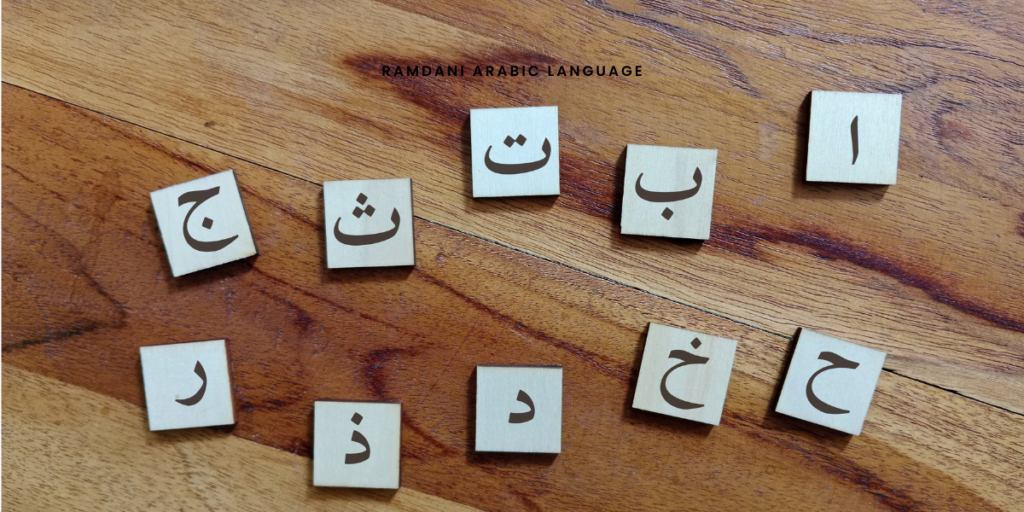
Reading plays a vital role in language development. Parents should introduce Arabic books early, starting with illustrated stories and gradually moving toward longer texts. Reading aloud helps children connect sounds with written forms and improves pronunciation and comprehension. Even ten to fifteen minutes of daily reading can create significant progress over time. Parents who read with their children consistently often notice improved sentence structure and vocabulary use within months.
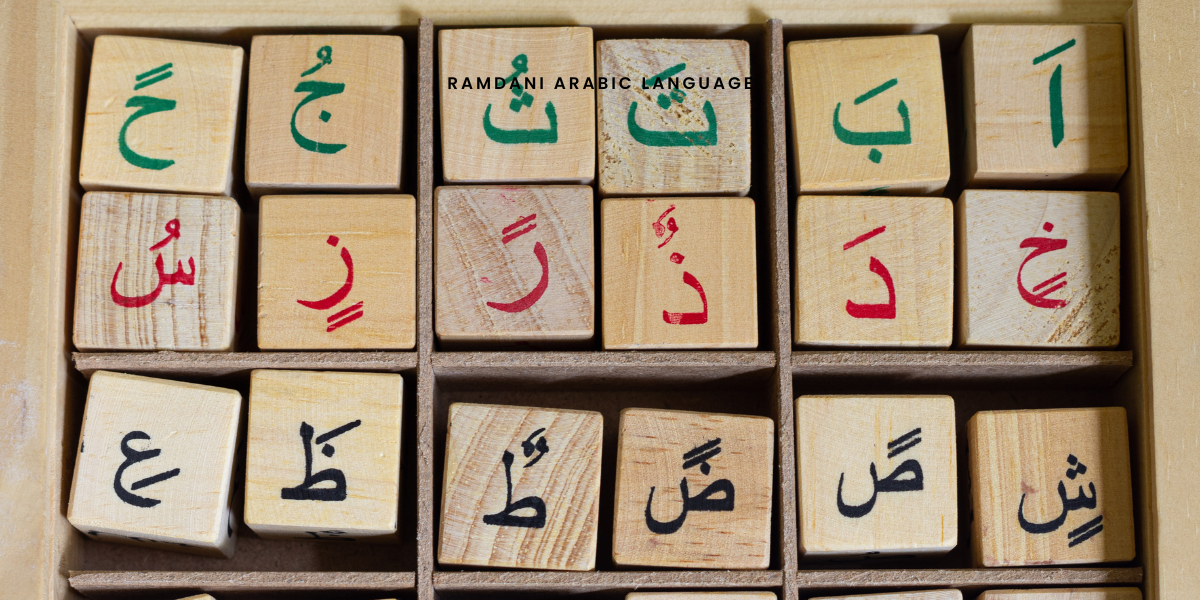
Writing should develop gradually and without pressure. Young children can begin with copying letters and short words, then move toward simple sentences. Writing journals, short messages, or descriptions of pictures encourages expression without fear of mistakes. Parents should focus on clarity and effort rather than perfection, as excessive correction can reduce motivation.
Digital resources can support home learning when used wisely. Educational videos, interactive applications, and online platforms can reinforce vocabulary and listening skills. However, these tools should complement, not replace, human interaction. Children learn languages best through meaningful communication, not passive consumption.
Most importantly, parents must model positive attitudes toward Arabic. Children sense frustration, doubt, or inconsistency quickly. When parents show pride in the language and use it confidently, children follow naturally. Teaching Arabic at home is not about achieving immediate fluency, but about building habits that support long-term language growth.
FORMAL LEARNING AND COMMUNITY SUPPORT
While home exposure forms the foundation of Arabic learning, formal instruction plays a crucial role in developing structured language skills, especially reading and writing. Many parents rely solely on home conversation, only to realize later that their children struggle with grammar, spelling, and comprehension. Formal learning fills these gaps and provides a clear progression path.

Arabic classes designed for non-native and heritage learners are particularly effective because they address the specific needs of children growing up in multilingual environments. These programs focus on gradual skill development, age-appropriate materials, and communicative methods rather than rote memorization. Children benefit from structured lessons that introduce grammar concepts in context and reinforce them through practice.
Online learning has become an essential solution for families in Europe who lack access to quality Arabic schools locally. Well-designed online programs offer flexibility, qualified teachers, and personalized pacing. Children can attend lessons from home while maintaining regular contact with trained instructors who understand their challenges. Consistency matters more than intensity, and even two or three sessions per week can produce strong results when combined with home practice.
Community involvement also strengthens language retention. Arabic-speaking social circles, cultural events, and religious activities provide natural opportunities for children to use the language outside the home. When children see peers using Arabic, their motivation increases, and the language feels relevant rather than isolated. Parents can encourage participation in community programs without forcing it, allowing interest to grow organically.
Motivation remains a key factor. Children need to understand why Arabic matters. Parents can explain its cultural value, its connection to family history, and its practical benefits. Arabic opens access to literature, history, and global communication. Presenting Arabic as an advantage rather than an obligation helps children develop intrinsic motivation.
Assessment and feedback should remain supportive. Parents and teachers should track progress through observation and simple evaluations without creating pressure. Language development is not linear, and periods of slow progress are normal. Patience and encouragement are essential.
Combining home exposure, formal instruction, and community engagement creates a balanced learning environment. Each element reinforces the others, increasing the likelihood that children will achieve lasting proficiency in Arabic despite living in a non-Arabic-speaking society.
PRACTICAL ADVICE, AND ABOUT THE AUTHOR
Teaching children Arabic in Europe requires vision, structure, and long-term commitment. Parents should begin early, establish clear language routines, and maintain consistency even when progress seems slow. Arabic should be present daily, both in spoken interaction and through reading and listening. Formal instruction should not be delayed, especially for literacy development, as reading and writing form the backbone of long-term language retention.
Parents are encouraged to set realistic goals. Fluency develops over years, not months. Mistakes are part of learning, and confidence grows through use. Creating a supportive environment where Arabic is valued, respected, and practiced naturally leads to stronger outcomes than strict or pressured methods.
Professional guidance can significantly improve results. Qualified teachers understand how to adapt Arabic instruction to children growing up in Europe and can provide structured curricula that align with international language standards. Online learning platforms offer accessible solutions for families seeking flexibility and quality.
This approach reflects the educational philosophy of Ramdani Mohamed, an experienced Arabic teacher and the founder of Ramdani Arabic Academy. With more than seven years of experience teaching Arabic to native and non-native learners online, Ramdani Mohamed has worked with students from diverse cultural and linguistic backgrounds. His teaching methodology focuses on clarity, gradual progression, and practical language use, ensuring that learners build strong foundations without feeling overwhelmed.
Ramdani Arabic Academy is an online educational platform dedicated to teaching Arabic to learners around the world. The academy offers structured lessons, comprehensive courses, and educational articles designed to support students at different levels. Its programs emphasize real communication, literacy development, and cultural understanding, making Arabic accessible and relevant for learners living outside Arabic-speaking countries.
Parents who invest time, effort, and the right resources can successfully pass Arabic to the next generation. The goal is not only language proficiency, but also a lasting connection to identity, culture, and knowledge. With patience and proper guidance, Arabic can remain a living language in the hearts and minds of children growing up in Europe.