How Arabic Cuisine is Adapting to a Global Audience 2026? Great advices
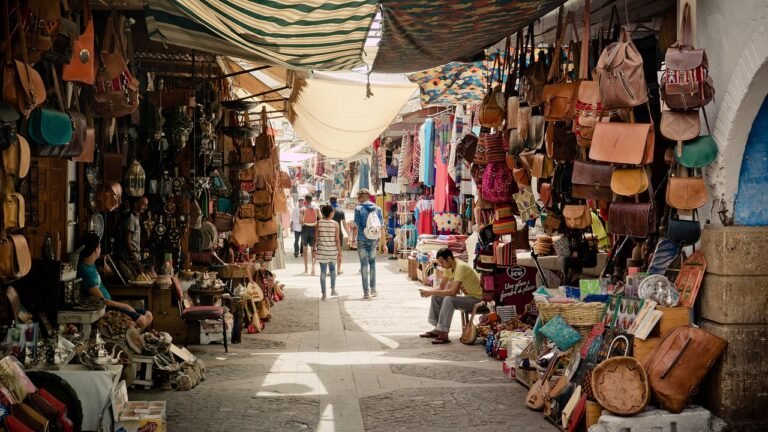
Arabic cuisine has long been a reflection of history, culture, and geography. For centuries, the foods of the Arab world have carried the stories of empires, trade routes, and migrations. From the spice markets of Cairo to the coastal kitchens of Beirut, Arabic food has always been more than just nourishment. It is a living archive of tradition, blending flavors, techniques, and ingredients that vary from one region to another. Each dish tells a story of the people who created it, the land that produced its ingredients, and the cultural influences that shaped it.
Today, Arabic cuisine faces a new chapter. Globalization has made the world smaller, and food traditions once confined to specific regions are now accessible everywhere. Recipes that were once secret family treasures can be found in cookbooks, blogs, and online video tutorials. Ingredients that were rare or local are now sold in international supermarkets. At the same time, Arabic dishes are being adapted to suit global tastes. Chefs in New York, London, and Tokyo reinterpret classics like hummus, falafel, and kebabs, introducing new flavors, presentation styles, and fusion elements. This exchange is creating both opportunities and challenges for preserving authentic culinary traditions.
One of the key aspects of this evolution is the blending of old and new. Traditional dishes are no longer static; they change with the times. Take the example of mansaf, the iconic Jordanian dish made with lamb and fermented yogurt. While its traditional preparation remains deeply rooted in cultural rituals, modern adaptations may use different proteins or plant-based alternatives to accommodate dietary trends. Similarly, desserts such as baklava and knafeh are now presented in gourmet versions with chocolate, fruit infusions, or even ice cream, reflecting the global fascination with innovative flavors.
Arabic cuisine is also shaped by migration and the diaspora. Millions of Arabs living abroad carry their culinary heritage with them, opening restaurants, teaching cooking classes, and sharing recipes online. These communities create hybrid dishes that blend Arabic flavors with those of the host country, introducing international audiences to new taste experiences. For example, the rise of shawarma wraps in European fast-food chains shows how a traditional street food can evolve into a global phenomenon.
Globalization, however, does not come without tension. Some purists argue that international adaptations dilute authenticity, transforming centuries-old recipes into something unrecognizable. Others see this as a natural progression, a sign that Arabic cuisine is alive, dynamic, and capable of reaching wider audiences. Both perspectives highlight a central question: How can Arabic food maintain its identity while evolving to meet global tastes?
Technology and social media have accelerated this evolution. Instagram, TikTok, and YouTube allow chefs, home cooks, and food enthusiasts to share recipes, cooking tips, and cultural stories instantly. A dish that might have been known only in Damascus or Riyadh can now inspire a global audience overnight. Online communities encourage experimentation, but they also serve as a platform for preserving heritage. People are documenting traditional recipes, explaining techniques, and teaching younger generations about the cultural significance of each dish. This creates a unique balance between innovation and preservation.
The evolution of Arabic cuisine is not just about food. It is about identity, history, and connection. Each bite carries memories of family gatherings, festive celebrations, and cultural pride. Global exposure brings new ingredients, techniques, and presentation styles, but it also highlights the importance of understanding the origins of these dishes. By exploring Arabic cuisine in a globalized world, we can see how tradition adapts without disappearing, how flavors travel beyond borders, and how food can serve as a bridge between cultures.
In this article, we will explore the history of Arabic cuisine, the impact of globalization, modern innovations, and how chefs and home cooks balance authenticity with creativity. We will examine examples of popular dishes, the role of the Arabic diaspora, and the influence of global trends on traditional cooking. Finally, we will discuss the ways in which learners and enthusiasts can engage with Arabic culinary culture, including resources offered by the Ramdani Arabic Academy.
Historical Foundations and Traditional Arabic Cuisine
Arabic cuisine did not develop in isolation. It is the product of centuries of trade, migration, and cultural exchange across the Middle East, North Africa, and the Arabian Peninsula. Geography played a critical role in shaping what people ate. Fertile river valleys like the Nile and the Tigris-Euphrates supported grains, vegetables, and fruits, while the deserts and mountains dictated reliance on preserved foods, dried fruits, and spices. Coastal regions contributed seafood and salt-preserved products, creating a diverse culinary landscape long before globalization.
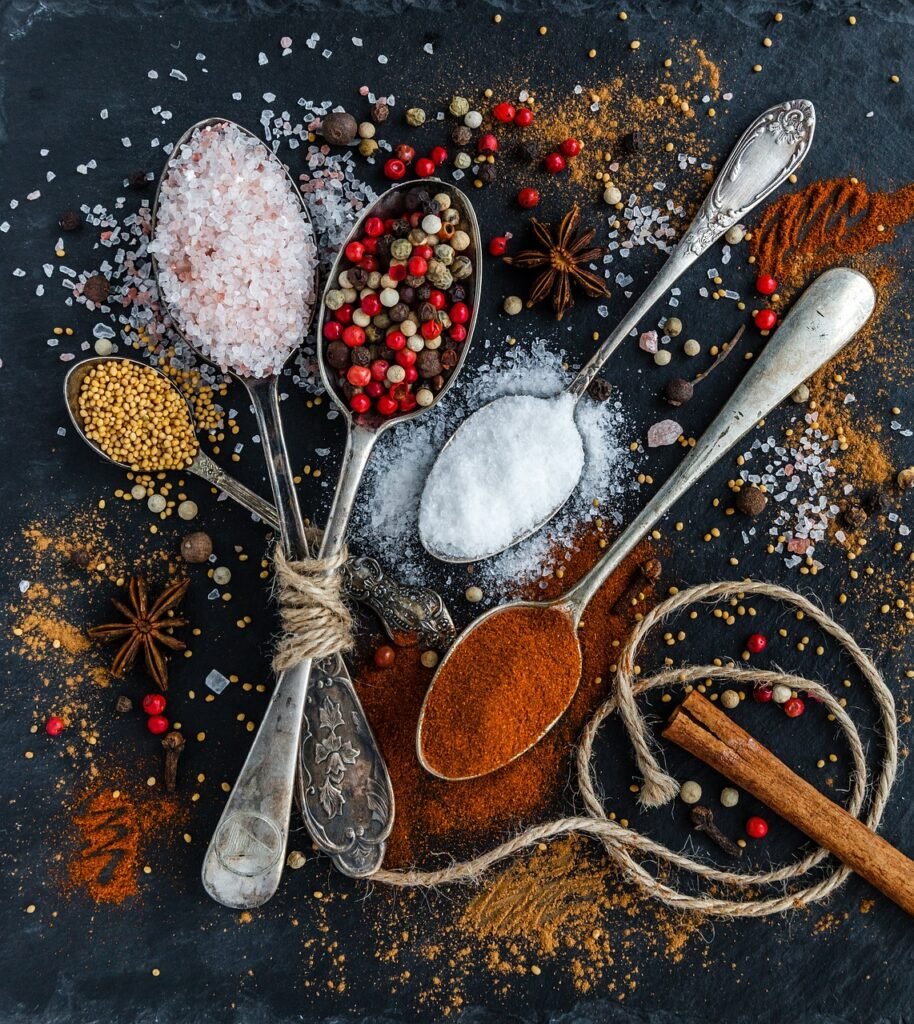
Spices and ingredients tell a story of trade and influence. Ancient Arab merchants traded along the Silk Road and the Red Sea, bringing exotic flavors from India, Persia, and Africa. Cinnamon, saffron, cumin, and turmeric became staples in kitchens across the Arab world, not just as seasonings but as symbols of cultural exchange. Rice, introduced through trade routes, became central to many dishes, including biryani variants found in Yemen and coastal Saudi Arabia. Olive oil, dates, and yogurt also emerged as foundational ingredients, each carrying both nutritional and symbolic significance.
Traditional Arabic dishes often reflect a philosophy of communal eating. Meals were designed to be shared, with large platters of rice, meat, and vegetables served in the center of the table. Dishes like hummus, tabbouleh, and mujaddara encouraged collaboration and conversation, emphasizing hospitality as much as flavor. The preparation of food itself was often a family affair, passed down through generations with care. Techniques like slow-cooking meat, fermenting yogurt, and hand-rolling pastries are still considered essential skills in many households.
Bread has always held a central place in Arabic cuisine. From flatbreads like khubz to leavened loaves, bread is both staple and symbol. It is used as a utensil, a plate, and even a marker of generosity in traditional meals. The act of breaking bread together carries cultural weight, reflecting values of community, respect, and hospitality. Similarly, sweets and desserts such as baklava, ma’amoul, and halva have ceremonial importance, often prepared for religious and social occasions. They are not merely treats but expressions of tradition, skill, and cultural memory.
Regional variations highlight the diversity within Arabic cuisine. In the Levant, dishes tend to emphasize fresh vegetables, olive oil, and herbs. In the Gulf, rice and meat dominate, often flavored with dried limes and aromatic spices. North African countries like Morocco and Tunisia incorporate couscous, preserved lemons, and harissa, creating layers of flavor that differ from the Levantine or Gulf traditions. These differences reflect the environment, trade access, and local customs, yet they all share a common commitment to balance, flavor, and hospitality.
Arabic cuisine was historically shaped by necessity as much as taste. Preservation techniques like drying, salting, and fermenting allowed food to last through harsh climates and long journeys. These methods influenced flavor profiles, giving many dishes their distinctive tang, richness, or aroma. Even today, techniques like slow-cooking lamb or simmering stews for hours preserve the original character of recipes while adapting to modern kitchens.
While rooted in history, Arabic cuisine has always been adaptive. Its foundations allow for variation, whether through the addition of new spices, ingredients, or cooking methods. This adaptability explains why Arabic cuisine could spread globally while retaining its identity. Chefs and home cooks carried recipes along with them, blending them with local ingredients without losing the essence of the dish. This historical flexibility laid the groundwork for the modern evolution we see today.
Understanding these foundations is critical for anyone studying Arabic culture, language, or cuisine. Each dish is more than a recipe; it is a reflection of geography, trade, family life, and centuries of cultural exchange. By appreciating the historical roots of Arabic cuisine, learners can better understand how it adapts and thrives in a globalized world.
Arabic Cuisine in a Globalized World
Globalization has transformed the way food travels, tastes, and is perceived. Arabic cuisine, with its rich history and diverse flavors, is no exception. Today, dishes that were once confined to local kitchens can be found on menus in New York, Paris, Tokyo, and beyond. This global reach has created opportunities for Arabic food to gain international recognition while also presenting challenges in preserving authenticity.
One of the key drivers of this evolution is migration. Millions of Arabs live outside their home countries, bringing their culinary traditions with them. Restaurants, catering businesses, and home-cooked meals have become cultural ambassadors. Shawarma, once a Middle Eastern street food, has become a global favorite, adapted into wraps, sandwiches, and fast-food menus worldwide. Similarly, hummus has entered grocery stores across Europe and North America, often flavored with garlic, roasted red peppers, or pine nuts to appeal to local tastes. These adaptations show how Arabic cuisine can retain its essence while reaching new audiences.
Social media and digital platforms have accelerated this transformation. Instagram, TikTok, and YouTube allow chefs, food bloggers, and home cooks to showcase recipes, cooking techniques, and cultural stories. A traditional dish like mansaf or makloubeh can now gain thousands of views, inspiring international audiences to try cooking it at home. Online tutorials often include tips for sourcing ingredients in foreign countries, making it easier for learners to recreate authentic flavors. This accessibility has made Arabic cuisine more visible than ever before, expanding its influence across cultures.
Globalization has also encouraged culinary experimentation. Chefs are blending Arabic flavors with international ingredients, creating fusion dishes that appeal to contemporary tastes. For example, falafel tacos, hummus pizzas, and knafeh desserts with chocolate or fruit fillings combine traditional elements with modern creativity. While some purists view these adaptations as a departure from authenticity, they also demonstrate the versatility of Arabic cuisine. This balance between tradition and innovation allows Arabic food to remain relevant in a rapidly changing culinary landscape.
The spread of Arabic cuisine has cultural significance beyond taste. It introduces people to the values, stories, and social customs embedded in each dish. Meals reflect hospitality, communal dining, and celebration. By experiencing Arabic food, international audiences gain insight into the history, geography, and daily life of the Arab world. This cultural exchange helps foster understanding, curiosity, and appreciation, bridging gaps between different communities.
At the same time, the global popularity of Arabic cuisine raises questions about preservation. Recipes adapted for international palates may simplify techniques, omit traditional ingredients, or alter flavors. While this helps the cuisine reach more people, it risks losing the depth and heritage embedded in the original dishes. Learning the context of each dish—its preparation, ingredients, and cultural significance—becomes essential for anyone wanting to truly understand Arabic culinary traditions.
Despite these challenges, globalization offers a unique opportunity. It encourages chefs, educators, and enthusiasts to document, teach, and innovate while remaining connected to heritage. Platforms like cooking schools, online courses, and cultural workshops allow learners to explore traditional techniques and modern adaptations simultaneously. Arabic cuisine is evolving, but it is also preserving its roots, creating a dynamic interaction between past and present.
In the globalized world, Arabic cuisine has become more than food. It is a cultural ambassador, a creative field for experimentation, and a bridge between communities. The spread of dishes like kebabs, tabbouleh, and baklava highlights both the adaptability and enduring identity of Arabic food. It shows how culinary traditions can thrive beyond borders, offering a taste of history while embracing innovation.
Advice
Arabic cuisine has evolved alongside history, migration, and globalization. Its flavors tell stories of empires, trade routes, and cultural exchange. At the same time, it reflects the daily lives and values of communities—hospitality, family, and celebration. From traditional dishes like mansaf, hummus, and baklava to modern fusion interpretations in global cities, Arabic food continues to adapt while keeping its essence alive.
For learners and enthusiasts, engaging with Arabic cuisine offers more than cooking skills. It is a way to connect with culture, history, and language. When preparing a dish, understanding the ingredients, methods, and context deepens appreciation and allows the flavors to carry meaning beyond the kitchen. Studying Arabic food also provides insight into regional diversity, showing how climate, geography, and local customs shape culinary traditions.
If you want to explore Arabic cuisine effectively, a few practical steps can help:
- Start with foundational dishes. Learn recipes like tabbouleh, falafel, or kabsa to understand key ingredients and cooking techniques.
- Focus on authentic techniques. Take time to master traditional methods such as slow-cooking, fermenting, or spice blending.
- Explore regional variations. Compare Levantine, Gulf, and North African dishes to appreciate diversity and nuance.
- Document and reflect. Write notes on flavors, substitutions, and preparation methods to track your learning and experimentation.
- Embrace experimentation carefully. Fusion dishes can be creative, but always retain an understanding of traditional roots.
7Ramdani Arabic Academy is dedicated to helping learners navigate this journey. Our online courses, lessons, and articles provide structured guidance on language, culture, and culinary heritage. By combining practical instruction with cultural context, we aim to offer a comprehensive understanding of Arabic traditions, including the culinary arts. Whether you are cooking for family, studying for travel, or exploring Arabic culture academically, our resources support your learning every step of the way.
The author, Ramdani Mohamed, founded the academy with the goal of connecting learners worldwide to the richness of Arabic culture. With experience in teaching, cultural research, and language education, he emphasizes practical knowledge, accessible learning, and cultural appreciation. Through this article, the intention is not just to inform but to inspire learners to engage actively with Arabic cuisine and culture, making each meal a bridge to history and community.
Arabic cuisine is more than food. It is a living tradition, a way of understanding people, and a reflection of global exchange. By studying it, preparing it, and sharing it, you participate in a centuries-old story that continues to evolve. With guidance, practice, and curiosity, you can experience the depth of Arabic culinary heritage in your own kitchen, wherever you are in the world.