
5 Positive Ways Muslims Say Good Morning
Greetings play an important role in Muslim societies and Islamic culture. They are not casual expressions used only for politeness. They reflect values such as respect, peace, and connection between people. For Muslims, daily speech often carries religious meaning, even in simple interactions like saying good morning. Understanding how Muslims greet each other in the morning helps learners of Arabic and Islamic culture understand deeper social and spiritual principles.
Many people assume that Muslims use a direct equivalent of the English phrase good morning. While this can be true in some contexts, the most common Muslim greetings are different in form and purpose. They are connected to Islamic teachings and the Arabic language. These greetings are used across many countries, cultures, and languages, yet they remain united by shared religious meaning.
Islam places strong emphasis on good character and proper communication. The Prophet Muhammad encouraged Muslims to spread greetings among themselves as a way to strengthen community ties. Greetings are not optional habits. They are acts of kindness and reminders of shared faith. Morning greetings, in particular, set the tone for the day and reflect intentions of peace and goodwill.
For Arabic learners and non Muslims, understanding Muslim morning greetings requires more than memorizing phrases. It requires learning when to use them, what they mean, and why they matter. This article explains how Muslims say good morning, the linguistic and religious background of these greetings, and how they are used in daily life. It also offers guidance for learners who want to use them correctly and respectfully.
Islamic Greetings and Their Meaning
The most common greeting used by Muslims at any time of day is “As salamu alaykum.” This Arabic phrase means peace be upon you. It is not limited to mornings. Muslims use it when meeting others, entering a room, or starting a conversation. Because it is universal, many Muslims also use it as a morning greeting instead of saying good morning.
The response to this greeting is “Wa alaykum as salam,” which means and peace be upon you too. This exchange is encouraged in Islam and is considered an act of good manners. The greeting promotes peace, mutual respect, and equality. No matter a person’s status, age, or background, the greeting remains the same.
In addition to “As salamu alaykum,” Muslims also use Arabic phrases that directly refer to the morning. One common phrase is “Sabah al khayr,” which means good morning. The reply is “Sabah al noor,” meaning morning of light. These phrases are widely used in Arabic speaking countries and among Arabic learners. They are cultural greetings rather than religious obligations, but they remain respectful and appropriate.
Some Muslims combine both forms. They may begin with “As salamu alaykum” and then say “Sabah al khayr.” This combination reflects both religious tradition and everyday language. It is common in professional settings, classrooms, and formal conversations. For learners, this shows how Islamic and cultural elements work together in real communication.
Usage Across Cultures and Daily Life
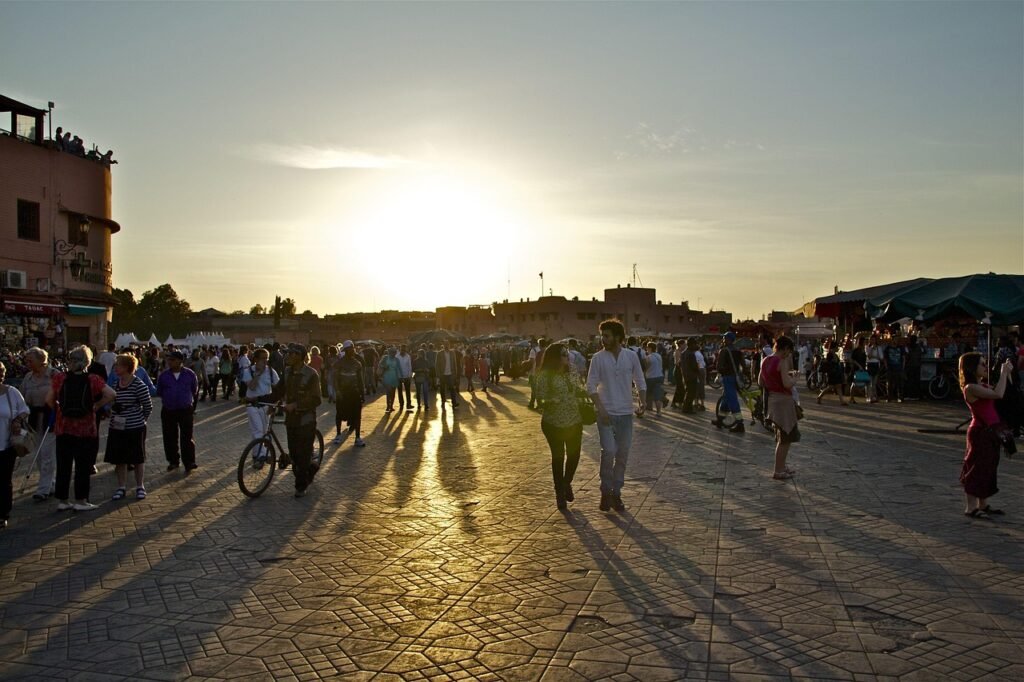
Muslim greetings vary slightly depending on region, culture, and language. In non Arabic speaking Muslim countries, people may greet each other in their local language while still using Islamic phrases. For example, a Muslim may say good morning in English and follow it with “As salamu alaykum.” This practice maintains religious identity while adapting to the environment.
In Arabic speaking countries, morning greetings depend on context. In family settings, “Sabah al khayr” is common. In religious or formal settings, “As salamu alaykum” is preferred. Among close friends, tone and wording may become more relaxed, but respect remains present. These variations show that Muslim greetings are flexible yet rooted in shared values.

For students learning Arabic, understanding context is essential. Using “Sabah al khayr” in the morning is linguistically correct. Using “As salamu alaykum” is always acceptable. Knowing when to use each greeting helps learners sound natural and respectful. It also helps them connect better with native speakers.
Teachers of Arabic often emphasize greetings early in learning. Greetings introduce pronunciation, rhythm, and cultural awareness. They also build confidence. When learners greet correctly, they feel included. This is especially important for online learning, where language connects people across borders.
Advice, and About the Author
Learning how Muslims say good morning goes beyond vocabulary. It teaches respect, awareness, and cultural understanding. When you use Islamic greetings correctly, you show appreciation for the values behind the language. This approach improves communication and builds trust with native speakers and Muslim communities.
For learners, practice greetings daily. Use them in real conversations. Listen to how native speakers respond. Pay attention to tone and timing. Avoid translating directly from your own language. Learn the meaning behind the words, not just their form.
For teachers and students alike, Arabic learning should combine language and culture. This method leads to stronger results and long term progress. Greetings offer a simple yet powerful starting point.
This article is written by Ramdani Mohamed, founder of Ramdani Arabic Academy. He has taught Arabic online for more than seven years to native and non native learners worldwide. His academy provides structured lessons, detailed courses, and educational articles designed to help students understand Arabic clearly and practically. Ramdani Arabic Academy focuses on real usage, cultural awareness, and strong language foundations to support learners at every level.