Shopping and Bargaining Skills in Arabic Countries 2026
Shopping in Arabic countries is more than a routine activity. It is an experience that immerses you in local culture, traditions, and social interactions. From the bustling souks of Morocco to the modern malls of Dubai, each shopping environment reflects a unique blend of history, commerce, and lifestyle. For anyone learning Arabic or planning to travel in the region, understanding shopping and bargaining is essential. It is not only about acquiring goods but also about connecting with people, understanding customs, and navigating social norms.
In many Arabic countries, markets or souks are not just places to buy items. They are centers of social life. Local vendors take pride in their products, whether spices, textiles, jewelry, or handicrafts. A conversation often begins before the transaction, and the ability to communicate effectively can influence both the price and the overall experience. Knowing basic Arabic phrases and cultural cues can turn a simple shopping trip into a meaningful encounter.
Bargaining is a common practice in most Arabic markets. Unlike fixed-price stores in Western countries, many shops in the region expect a negotiation. The process is a cultural norm and a skill that requires patience, strategy, and politeness. Effective bargaining is not about forcing a lower price; it is about mutual respect, understanding the value of the product, and showing interest without being aggressive. The experience can be enjoyable for those who approach it with the right mindset.
Understanding local etiquette is also critical. In Arabic culture, respect and politeness play a central role. Eye contact, friendly greetings, and a willingness to engage in small talk are appreciated. Showing genuine interest in the product and asking questions about its origin or craftsmanship often leads to better interactions and sometimes better deals. Learning some Arabic phrases related to shopping can make a big difference. Phrases like “Bikam hatha?” (How much is this?) or “Hal yumkin taqdim khusoom?” (Can you offer a discount?) are useful, but knowing when and how to use them is equally important.
Shopping habits in Arabic countries vary from region to region. In North Africa, markets tend to be more traditional, with colorful stalls and a wide variety of goods displayed openly. In the Gulf countries, luxury malls and brand stores coexist with traditional markets, creating a diverse shopping landscape. Each environment requires a slightly different approach. In traditional markets, bargaining is expected and often enjoyable. In modern retail settings, fixed prices are more common, and the emphasis shifts to customer service and brand experience.
For Arabic learners, shopping provides a practical and immersive way to practice the language. Real-life interactions offer exposure to vocabulary, numbers, and common phrases. It also provides insight into cultural norms that cannot be learned from books alone. Participating in these interactions builds confidence, improves pronunciation, and helps learners understand the subtleties of social communication in Arabic-speaking countries.
Ultimately, shopping and bargaining in Arabic countries is a skill that goes beyond commerce. It is a cultural journey, an opportunity to practice language, and a chance to build meaningful connections. For travelers and learners alike, mastering these skills opens doors to richer experiences and deeper understanding of Arabic society. Those who take the time to learn the language, understand the customs, and approach negotiations with respect will find that shopping becomes more than a transaction—it becomes an engaging and memorable part of their journey.
At Ramdani Arabic Academy, we encourage learners to explore these real-world experiences. Our lessons are designed not only to teach language but also to equip students with practical skills for daily life in Arabic-speaking countries. Through our courses, you can learn essential vocabulary, cultural norms, and communication strategies that make your shopping experiences smoother and more rewarding.
In the next sections, we will dive deeper into the art of bargaining, strategies for effective negotiation, regional differences in shopping practices, and practical tips to make your experience successful. By the end of this guide, you will not only know how to shop and bargain but also feel confident navigating markets in Arabic countries with respect and cultural understanding.
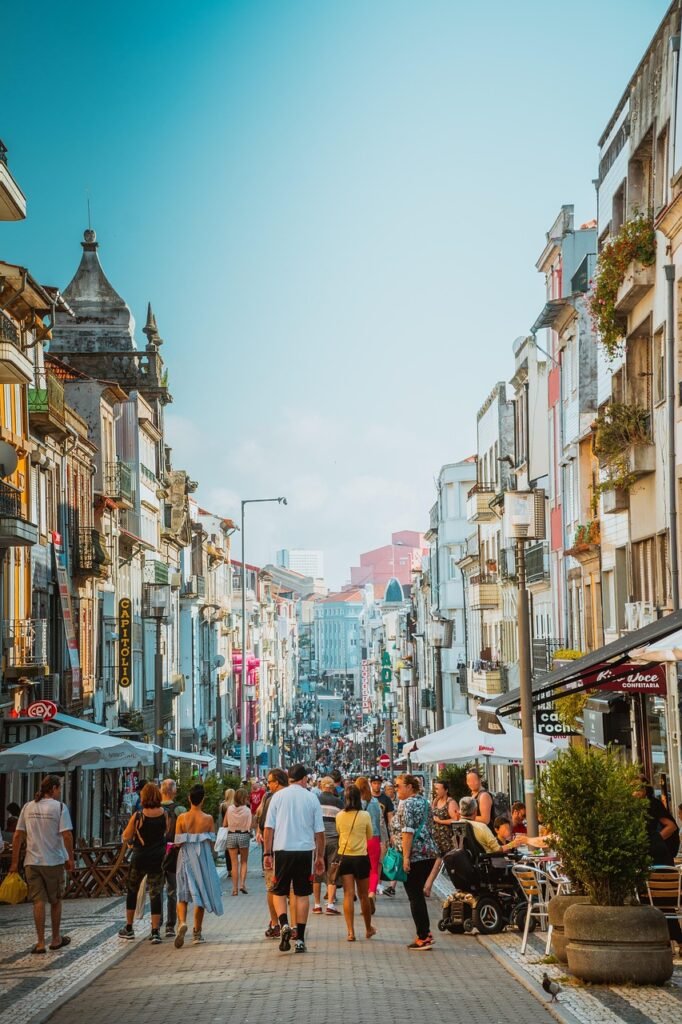
Bargaining in Arabic countries is a skill that combines patience, observation, and communication. It is not a confrontation but a dialogue. Vendors expect it and often enjoy the exchange as much as the sale itself. Understanding how to approach bargaining can make a significant difference in the price you pay and the experience you have.
The first step is preparation. Before entering a market, it is important to know what you are looking for and the approximate value of the item. This could be done by comparing prices in different stalls or asking locals for guidance. Observing how vendors present their products gives clues about flexibility in pricing. Items that are handmade or unique often allow more room for negotiation, while mass-produced goods may have less margin.
Communication plays a crucial role. Starting the interaction with a greeting or a smile establishes goodwill. Using simple Arabic phrases shows respect for the culture and signals that you are willing to engage. Asking about the origin or quality of the product not only provides information but also builds rapport with the seller. Listening carefully and responding politely demonstrates respect, which is highly valued in Arabic culture.
When it comes to negotiating the price, timing and strategy matter. Avoid showing excessive eagerness for an item. Expressing too much excitement can reduce your bargaining power. Instead, maintain a neutral or curious attitude, and be willing to walk away if the price does not meet your expectations. Often, vendors will call you back or offer a better deal. This is part of the process and should be approached with patience rather than frustration.
Effective bargaining involves a balance between firmness and politeness. You should know your limits and be clear about the price you are willing to pay, but never insult or pressure the vendor. Negotiation is a mutual exchange; both parties want a fair outcome. Using humor or light conversation can ease tension and create a friendly atmosphere, making it more likely that the vendor will offer a better price.
Non-verbal cues are also important. Maintaining eye contact, nodding, and using hand gestures to indicate interest or hesitation can reinforce your position. Observing the vendor’s reactions helps you adjust your approach. In some regions, vendors may initially quote very high prices, expecting negotiation. Being patient and not rushing the process is essential.
Bargaining also teaches cultural sensitivity. For example, in some markets, offering a price that is too low may be considered disrespectful. Understanding these nuances requires attentiveness and experience. A successful negotiation is not only about the price but also about preserving mutual respect.
For learners of Arabic, bargaining provides a practical opportunity to practice language skills in real-world settings. Numbers, phrases, and conversational skills are all used actively. Repeating common expressions in context helps reinforce memory and builds confidence. Over time, you will notice that your ability to communicate effectively influences both the outcome of the negotiation and your overall experience in the market.
At Ramdani Arabic Academy, we emphasize the practical aspects of language learning. Our courses teach essential vocabulary for shopping and bargaining, along with cultural tips that prepare you for real-life interactions. By combining language skills with understanding of local customs, students can navigate markets confidently and respectfully.
Mastering bargaining in Arabic countries is not just about getting the best deal. It is about participating in a cultural tradition, building connections, and enjoying the social experience. Those who take the time to learn the nuances and practice these skills will find that shopping becomes both enjoyable and educational, providing insight into local life that cannot be captured through observation alone.

Shopping in Arabic countries is not the same everywhere. Each region has its own traditions, styles of markets, and approaches to bargaining. Understanding these differences helps travelers and learners adapt, communicate effectively, and enjoy the experience fully.
In North Africa, especially Morocco, Tunisia, and Egypt, traditional souks dominate. These markets are often labyrinthine, with narrow alleys filled with stalls selling spices, carpets, pottery, and textiles. Here, bargaining is expected and encouraged. Prices are usually flexible, and the exchange is as much about conversation as it is about the item itself. Vendors may start with a high price, anticipating negotiation. Walking through these souks, you will notice the vibrant colors, aromas of spices, and the sound of vendors calling out to customers. Being polite, patient, and curious will make your experience smoother and more rewarding.
The Gulf countries, including the United Arab Emirates, Saudi Arabia, and Qatar, offer a mix of traditional markets and luxury shopping malls. In traditional souks, like the Gold Souk in Dubai, bargaining is part of the culture, particularly for jewelry, textiles, or souvenirs. In modern malls, prices are fixed, and the shopping experience focuses on brand reputation, customer service, and convenience rather than negotiation. Here, speaking Arabic may not be essential, but understanding basic phrases and cultural norms can enhance interactions and build rapport with local staff.
In Levantine countries such as Lebanon, Jordan, and Syria, markets and shopping streets often blend old traditions with modern retail. Local bazaars sell handicrafts, foods, and clothing, and bargaining is common but less intense than in North Africa. Coffee shops and small boutiques often complement shopping streets, making the experience more social. Here, friendliness and small talk are highly valued, and demonstrating interest in local culture can positively influence your negotiations.
Cultural and regional differences also extend to what is being sold and how it is presented. In Egypt, markets like Khan El Khalili in Cairo feature handmade crafts, jewelry, and traditional souvenirs. In Morocco, souks in Marrakech or Fes offer spices, leather goods, and colorful rugs. In the Gulf, high-end items such as perfumes, watches, and electronics dominate the shopping scene, especially in modern malls. Understanding the local product focus helps in assessing prices, identifying bargaining opportunities, and recognizing items of cultural significance.
Each region also has unique social cues. For instance, in North Africa, it is common to chat with vendors, ask questions about products, and drink tea or coffee if offered. In the Gulf, interactions may be more formal, with less small talk in commercial areas. Adapting to these differences shows respect and can improve your experience. Paying attention to local etiquette, observing how others negotiate, and adjusting your approach accordingly are key strategies.
For Arabic learners, experiencing these differences first-hand enhances language acquisition and cultural understanding. Using vocabulary, numbers, and phrases in context across different settings allows learners to practice fluency and comprehension. Each region provides a unique environment where language meets culture, making learning practical and meaningful.
At Ramdani Arabic Academy, we incorporate regional variations in our courses. Students learn not only the language but also how customs differ between countries and how to interact appropriately. This approach ensures that learners are prepared to handle diverse shopping scenarios, from crowded traditional markets to modern retail centers, with confidence and cultural awareness.
Recognizing regional differences transforms shopping from a simple activity into an immersive cultural experience. Each market, souk, or mall offers lessons in history, social interaction, and commerce. Those who understand these nuances can negotiate effectively, communicate respectfully, and enjoy the richness of Arabic culture in every transaction.

Shopping in Arabic countries is not the same everywhere. Each region has its own traditions, styles of markets, and approaches to bargaining. Understanding these differences helps travelers and learners adapt, communicate effectively, and enjoy the experience fully.
In North Africa, especially Morocco, Tunisia, and Egypt, traditional souks dominate. These markets are often labyrinthine, with narrow alleys filled with stalls selling spices, carpets, pottery, and textiles. Here, bargaining is expected and encouraged. Prices are usually flexible, and the exchange is as much about conversation as it is about the item itself. Vendors may start with a high price, anticipating negotiation. Walking through these souks, you will notice the vibrant colors, aromas of spices, and the sound of vendors calling out to customers. Being polite, patient, and curious will make your experience smoother and more rewarding.
The Gulf countries, including the United Arab Emirates, Saudi Arabia, and Qatar, offer a mix of traditional markets and luxury shopping malls. In traditional souks, like the Gold Souk in Dubai, bargaining is part of the culture, particularly for jewelry, textiles, or souvenirs. In modern malls, prices are fixed, and the shopping experience focuses on brand reputation, customer service, and convenience rather than negotiation. Here, speaking Arabic may not be essential, but understanding basic phrases and cultural norms can enhance interactions and build rapport with local staff.
In Levantine countries such as Lebanon, Jordan, and Syria, markets and shopping streets often blend old traditions with modern retail. Local bazaars sell handicrafts, foods, and clothing, and bargaining is common but less intense than in North Africa. Coffee shops and small boutiques often complement shopping streets, making the experience more social. Here, friendliness and small talk are highly valued, and demonstrating interest in local culture can positively influence your negotiations.
Cultural and regional differences also extend to what is being sold and how it is presented. In Egypt, markets like Khan El Khalili in Cairo feature handmade crafts, jewelry, and traditional souvenirs. In Morocco, souks in Marrakech or Fes offer spices, leather goods, and colorful rugs. In the Gulf, high-end items such as perfumes, watches, and electronics dominate the shopping scene, especially in modern malls. Understanding the local product focus helps in assessing prices, identifying bargaining opportunities, and recognizing items of cultural significance.
Each region also has unique social cues. For instance, in North Africa, it is common to chat with vendors, ask questions about products, and drink tea or coffee if offered. In the Gulf, interactions may be more formal, with less small talk in commercial areas. Adapting to these differences shows respect and can improve your experience. Paying attention to local etiquette, observing how others negotiate, and adjusting your approach accordingly are key strategies.
For Arabic learners, experiencing these differences first-hand enhances language acquisition and cultural understanding. Using vocabulary, numbers, and phrases in context across different settings allows learners to practice fluency and comprehension. Each region provides a unique environment where language meets culture, making learning practical and meaningful.
At Ramdani Arabic Academy, we incorporate regional variations in our courses. Students learn not only the language but also how customs differ between countries and how to interact appropriately. This approach ensures that learners are prepared to handle diverse shopping scenarios, from crowded traditional markets to modern retail centers, with confidence and cultural awareness.
Recognizing regional differences transforms shopping from a simple activity into an immersive cultural experience. Each market, souk, or mall offers lessons in history, social interaction, and commerce. Those who understand these nuances can negotiate effectively, communicate respectfully, and enjoy the richness of Arabic culture in every transaction.
Shopping and bargaining in Arabic countries can be both exciting and challenging. Success depends on preparation, cultural awareness, and effective communication. Here are practical tips to help you navigate markets and shopping centers with confidence.
Start with language. Learn basic Arabic phrases related to shopping. Knowing how to ask for prices, request a discount, or express interest politely can make a noticeable difference. Phrases such as “Bikam hatha?” (How much is this?), “Hal yumkin taqdim khusoom?” (Can you offer a discount?), or simply “Shukran” (Thank you) show respect and engagement. Even a few words can create goodwill and improve your bargaining results.
Observe before you engage. Take time to walk through the market, compare prices, and watch how locals interact with vendors. Observation helps you understand the appropriate range for negotiation and identify the items with flexible pricing. It also allows you to notice social cues and etiquette that are unique to the region.
Approach bargaining with patience and respect. Do not rush or pressure the seller. Politeness and humor can make the exchange more enjoyable. Maintain a friendly attitude, and be prepared to walk away if the price does not match your expectation. Often, vendors will offer a better deal to prevent losing a customer.
Pay attention to non-verbal communication. Eye contact, gestures, and body language can support your negotiation. Avoid aggressive or confrontational behavior. Respecting personal space and listening actively signals cultural awareness and increases your chances of success.
Understand regional differences. Markets in Morocco, Egypt, the Gulf, and the Levant each have unique norms. Traditional souks typically involve more extensive bargaining, while modern malls often have fixed prices. Adjust your approach depending on the location, and remember that local customs influence both price and interaction style.
Keep small change handy and know approximate conversion rates. Negotiating often involves mental calculation of reasonable offers. Having the right denominations avoids confusion and demonstrates preparedness.
For Arabic learners, shopping is an opportunity to practice real-life language skills. Engaging with vendors in their language builds confidence, reinforces vocabulary, and helps you understand cultural nuances. It also transforms shopping into a learning experience, rather than a purely transactional activity.
At Ramdani Arabic Academy, we teach not just language, but practical skills for everyday life in Arabic-speaking countries. Our courses cover vocabulary, conversation techniques, and cultural norms, helping students prepare for situations like shopping, traveling, or socializing. By combining language learning with cultural understanding, our students gain confidence to interact naturally and respectfully.
As the founder of Ramdani Arabic Academy, I emphasize that learning Arabic is more than studying grammar or vocabulary. It is about connecting with people, understanding traditions, and applying knowledge in real-world situations. Shopping and bargaining are perfect examples of this connection. Mastering these skills provides both practical benefits and insights into local life, making your experience richer and more meaningful.
By following these tips, observing cultural cues, and practicing patience and politeness, you can navigate Arabic markets and malls successfully. Your interactions will be smoother, your negotiations more effective, and your overall experience more enjoyable. Shopping in Arabic countries becomes more than buying goods—it becomes a cultural journey, an opportunity to practice language, and a way to engage meaningfully with local communities.