3 Powerful Reasons Why “Mashi Mushkil” Makes Arabic Communication Easier
If you have ever spent time learning Arabic or speaking with native speakers, you have probably heard the phrase “Mashi Mushkil.”
It rolls off the tongue easily and appears in conversations across the Arab world.
It sounds simple, but behind these two words lies a rich cultural meaning that every Arabic learner should understand.
“Mashi Mushkil” (ماشي مشكل) literally translates to “no problem” or “it’s okay.”
It is one of those phrases that can open doors, smooth over mistakes, and make your Arabic sound more natural.
It is used in Morocco and across North Africa, but variations of it appear in other Arabic dialects too.
In Egyptian Arabic, for example, people might say “Mafish Mushkila” (مافيش مشكلة).
In the Levant, you might hear “Ma fi mushkila.”
All of them mean the same thing — don’t worry, it’s fine.
When Arabic learners first encounter this phrase, they often treat it like any other vocabulary item.
They memorize it, translate it, and move on.
But to really understand “Mashi Mushkil,” you need to see how it works in real conversations.
It’s more than just a polite response; it’s a cultural expression that shows tolerance, patience, and flexibility.
It reflects how people in Arabic-speaking societies handle daily life — with calmness and understanding.
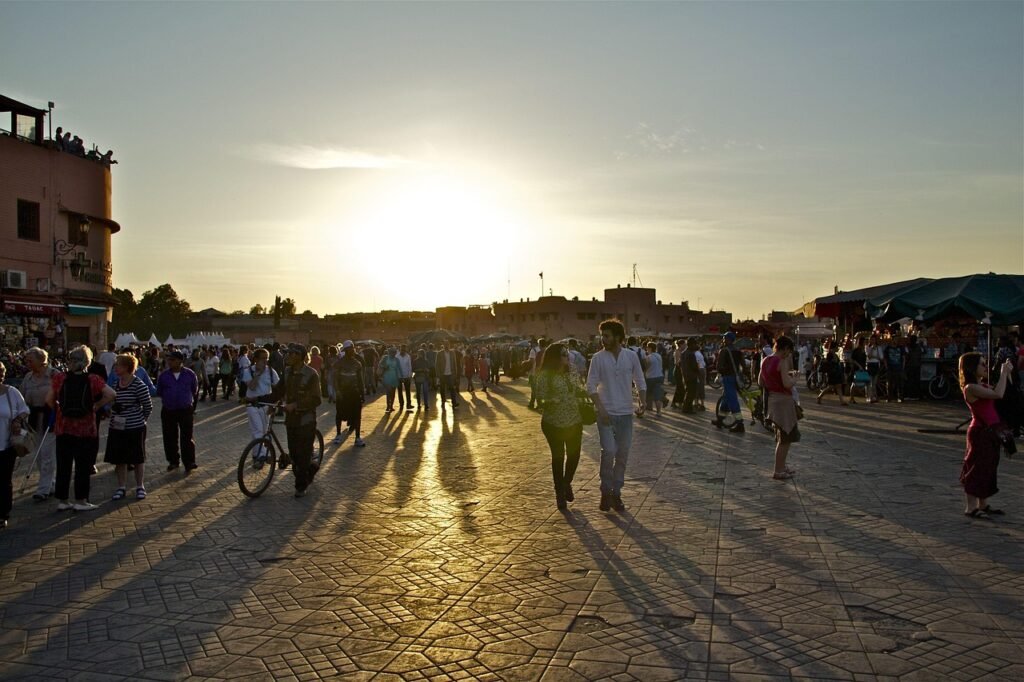
Imagine you accidentally bump into someone in a crowded street in Casablanca.
You quickly say “Sorry.”
The other person smiles and replies, “Mashi Mushkil.”
They’re not only saying that everything is fine.
They’re also signaling that they don’t hold a grudge.
It’s a social glue that keeps interactions peaceful.
In another example, if you arrive late to meet a friend and apologize, your friend might respond, “Mashi Mushkil.”
This small phrase removes tension.
It says, “I understand,” and it helps maintain harmony in the relationship.
Learning to use “Mashi Mushkil” correctly teaches more than language.
It teaches attitude — how to be understanding and calm in communication.
For Arabic learners, these small details matter.
Textbooks often focus on grammar and vocabulary, but real fluency depends on phrases like this one.
When you use “Mashi Mushkil,” you show that you understand the social rhythm of Arabic conversation.
You’re not just translating words; you’re joining the culture.
The structure of the phrase itself is interesting.
“Mashi” means “okay,” “going,” or “alright” depending on context.
“Mushkil” means “problem.”
Together, they literally mean “no problem.”
It’s a clear example of how Arabic expresses complex ideas in a few short words.
You can hear it in markets, schools, cafes, and family homes.
Its simplicity hides its power.
Language learners often underestimate how much culture shapes expressions like this.
In many Western cultures, people might say “no problem” casually, but in Arabic-speaking societies, “Mashi Mushkil” carries warmth and sincerity.
It’s a way of keeping relationships smooth.
It shows emotional intelligence and respect.
That’s why native speakers use it so naturally — it’s a sign of empathy.
Understanding this phrase also helps learners avoid common mistakes.
Some beginners think “Mashi Mushkil” is only for apologies.
But native speakers use it in many ways — to accept a suggestion, to agree with a plan, or to comfort someone.
For example:
- “Can we meet tomorrow instead?”
“Mashi Mushkil.” - “I forgot to bring your book.”
“Mashi Mushkil.” - “I made a small mistake in the project.”
“Mashi Mushkil.”
In all these cases, it means more than “it’s fine.”
It’s a friendly acceptance of reality.
It reduces stress, builds connection, and keeps communication flowing.
As a learner, when you start using “Mashi Mushkil” naturally, you’ll notice how native speakers respond.
They’ll smile.
They’ll treat you as part of the community.
Because in Arabic, communication is not just about what you say — it’s about how you make others feel.
At Ramdani Arabic Academy, we always remind students that learning Arabic is not only about words.
It’s about people, relationships, and understanding the mindset behind expressions.
“Mashi Mushkil” is one of those key phrases that reflect that mindset.
It’s simple, but powerful.
It teaches patience, kindness, and respect.This is why studying it deeply matters.
It’s not just a phrase.
It’s a lesson in culture and communication.
And it’s one of the many small steps that make your Arabic truly alive.
Everyday Use of “Mashi Mushkil”
Language reflects how people live.
“Mashi Mushkil” is one of those phrases that shows how Arabic speakers deal with everyday situations.
It appears in all kinds of conversations, from small talk to serious discussions.
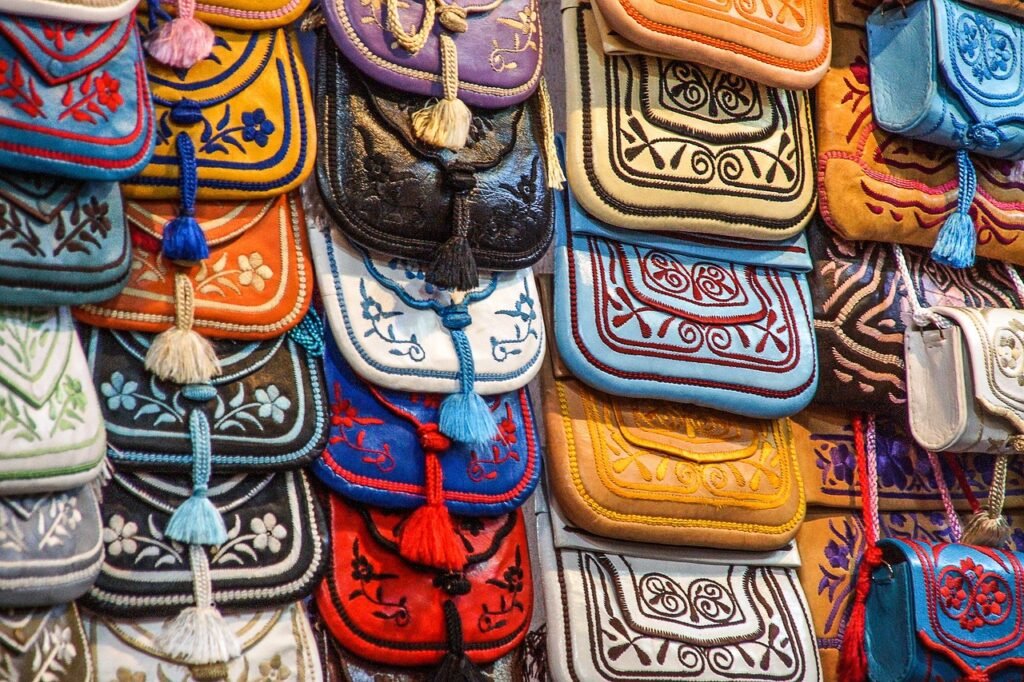
You can hear it in homes, markets, taxis, classrooms, and offices.
It works everywhere because it carries understanding and calm.
In Morocco, people say “Mashi Mushkil” daily.
Someone asks for a favor, and you agree.
Someone apologizes, and you accept.
Someone changes a plan, and you adjust.
It’s a phrase that keeps life flexible.
It means “I understand,” “It’s fine,” or “Don’t worry.”
It’s short but solves many small social problems.
Here are some simple examples from daily life.
You go to buy vegetables at a market.
You ask the seller if you can pay later because you forgot your wallet.
He smiles and says, “Mashi Mushkil.”
That moment teaches more about Arabic culture than any grammar rule.
It shows trust and kindness.
It says the relationship matters more than the transaction.
Or imagine a student who arrives late for class.
He says, “Sorry, teacher.”
The teacher replies, “Mashi Mushkil.”
It’s not just forgiveness.
It’s also encouragement.
It keeps respect while keeping the atmosphere relaxed.
Arabic is rich in phrases like this.
They carry both meaning and emotion.
When you understand them, you start hearing the heart of the language.
“Mashi Mushkil” shows a way of thinking that values peace over confrontation.
It helps people avoid arguments and stay respectful, even in stressful situations.
Different Arabic regions have their own versions.
In Egypt, people say “Mafish Mushkila.”
In the Levant, it becomes “Ma fi Mushkila.”
In the Gulf countries, you might hear “Ma fi Mushkil.”
They all share the same idea: acceptance.
Each version fits the rhythm and sound of the local dialect.
Learning them helps you connect with different communities and understand local culture.
Why is this phrase so common?
Because it reflects a shared cultural habit — the desire to maintain harmony.
In Arabic culture, keeping relationships peaceful is more important than insisting on being right.
Saying “Mashi Mushkil” allows people to move forward quickly after mistakes.
It removes the tension before it grows.
It makes communication smoother and more human.
Many learners struggle with this at first.
They come from cultures where people prefer direct answers or debates.
But Arabic conversation often values balance and respect.
“Mashi Mushkil” is one of the ways to show that respect.
It teaches you when to let go of small problems.
It reminds you that good communication is not only about words but about intention.
At Ramdani Arabic Academy, we often use this phrase in role-playing exercises.
Students practice real-life dialogues, like ordering food, apologizing, or making requests.
When they learn to use “Mashi Mushkil” naturally, their confidence grows.
They stop worrying about mistakes and start focusing on connection.
That is when real learning happens.Understanding “Mashi Mushkil” means understanding a mindset.
It tells you how Arabic speakers view relationships, patience, and forgiveness.
It’s not just a phrase.
It’s a small bridge between cultures.
The Deeper Meaning Behind “Mashi Mushkil”
Every language carries a worldview.
Arabic is no exception.
To understand “Mashi Mushkil,” you need to look beyond the words and into the culture that created them.
The phrase shows how Arabic speakers approach life — with patience, empathy, and balance.
In many Arabic-speaking societies, relationships matter more than individual opinions.
People value peace in conversation.
They prefer to solve problems through understanding, not confrontation.
“Mashi Mushkil” represents that mindset.
It’s not just a phrase that ends a discussion.
It’s a way of keeping respect alive.
When someone says “Mashi Mushkil,” they are doing more than forgiving a mistake.
They are protecting the connection between people.
It’s a soft shield against conflict.
It tells the other person, “You are still welcome,” even when something went wrong.
That small act of grace builds trust.
Arabic culture places high importance on good manners, known as adab.
Adab means behaving with respect and kindness in all situations.
Using “Mashi Mushkil” correctly shows adab in action.
It tells others you are calm, patient, and considerate.
It’s not weakness.
It’s strength controlled by respect.
Learners often ask why Arabic seems full of polite phrases.
The reason is that language and culture are deeply linked.
Words shape behavior.
In Arabic, politeness isn’t only formal.
It’s emotional.
“Mashi Mushkil” shows care and humility.
It says, “I choose peace over pride.”
Let’s look at how it works in real communication.
Imagine you work with Arabic colleagues.
A small mistake happens in a project.
You apologize.
They smile and say, “Mashi Mushkil.”
In that moment, you learn something powerful — they value the relationship more than the error.
They choose to move on together.
That is cultural intelligence.
That is how people stay connected in a respectful way.
Another layer of meaning lies in tone.
When said softly, “Mashi Mushkil” carries comfort.
When said quickly, it can mean, “Let’s drop it.”
The same phrase can calm or close a conversation, depending on the situation.
That flexibility makes Arabic communication rich and subtle.
This mindset helps learners not only speak Arabic but think like Arabic speakers.
When you use “Mashi Mushkil,” you practice patience.
You learn to control emotion in speech.
You learn to value relationships over mistakes.
These skills go beyond language.
They apply to work, travel, and friendship.
At Ramdani Arabic Academy, we see how this small phrase changes our students’ confidence.
Once they start understanding cultural meaning, their Arabic becomes natural.
They stop translating word by word.
They begin communicating with purpose.
“Mashi Mushkil” becomes a reflection of emotional understanding, not just vocabulary.Learning Arabic means learning how people see the world.
Every phrase has a story.
“Mashi Mushkil” teaches that harmony is stronger than argument.
It reminds learners that good communication depends on kindness.
It’s a small expression, but it carries a deep message — life is easier when you let go of small problems.
Advice
Learning a language is not only about speaking.
It is about understanding how people think, react, and connect.
The phrase “Mashi Mushkil” may look simple, but it carries a way of living that can teach any learner how Arabic people handle daily life.
It shows patience, kindness, and acceptance.
It turns small mistakes into chances for connection.
That is why mastering this phrase is not just a matter of grammar — it is a lesson in culture.
If you are learning Arabic, use “Mashi Mushkil” often.
Not because it sounds native, but because it builds bridges.
When someone apologizes, respond with it.
When plans change, say it with a smile.
These small actions will help you understand the rhythm of Arabic communication.
They show that you value people more than perfection.
Arabic is a language built on respect and relationship.
Every word, every greeting, every apology carries emotional weight.
When you speak with warmth and calm, people feel it.
That’s the power of “Mashi Mushkil.”
It makes you part of the culture, not just a visitor to the language.
Many learners make the mistake of separating language from behavior.
They memorize phrases without feeling their meaning.
That approach never works for long.
To sound natural, you need to connect emotionally with what you say.
When you say “Mashi Mushkil,” mean it.
Mean that you forgive, accept, and move forward.
That sincerity makes all the difference.
At Ramdani Arabic Academy, we believe that language learning must include culture.
Our lessons, courses, and articles are built on that idea.
We teach not only Arabic grammar and vocabulary but also the values behind the words.
We show learners how to think in Arabic, not just translate it.
Our goal is to make Arabic a living language for students from every background.
We guide learners step by step to reach fluency through real examples, natural speech, and cultural understanding.
Whether you are a beginner or advanced, our academy helps you grow.
You can find lessons on dialects, pronunciation, expressions, and the deeper meanings of Arabic communication.
We design each course to make you confident, fluent, and culturally aware.
Because to speak Arabic well, you must understand its people.
This article about “Mashi Mushkil” is one example of how simple phrases reveal deep truths.
They show that Arabic is more than structure — it’s about how people choose peace over conflict and kindness over pride.
That spirit makes Arabic one of the most human languages in the world.
About the Author
Ramdani Mohamed is the founder of Ramdani Arabic Academy, an online platform dedicated to teaching Arabic to learners around the world.
He creates lessons, courses, and educational materials that make Arabic clear, simple, and practical.
His mission is to help students understand not only the language but also the culture and values that give it life.
Through his work, he connects learners to the real Arabic world — one phrase, one lesson, and one conversation at a time.