
How to Bargain in Arabic at Local Souks 2026 the Best Tricks
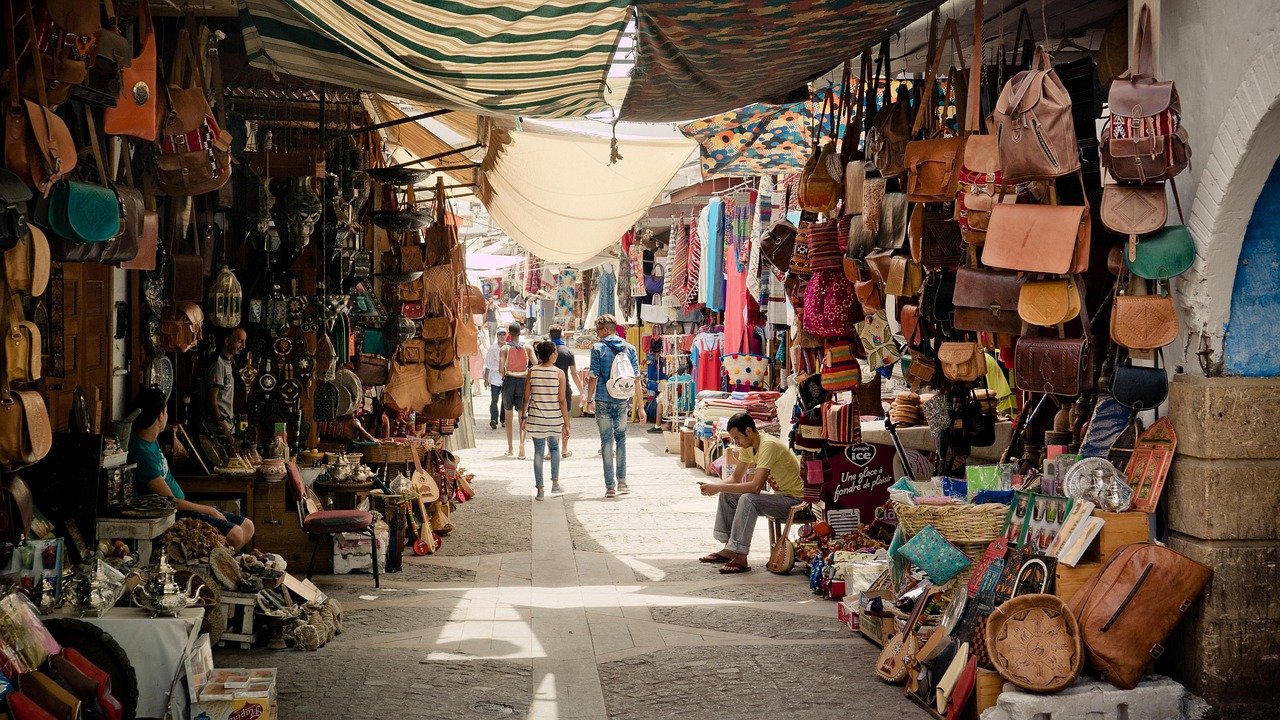
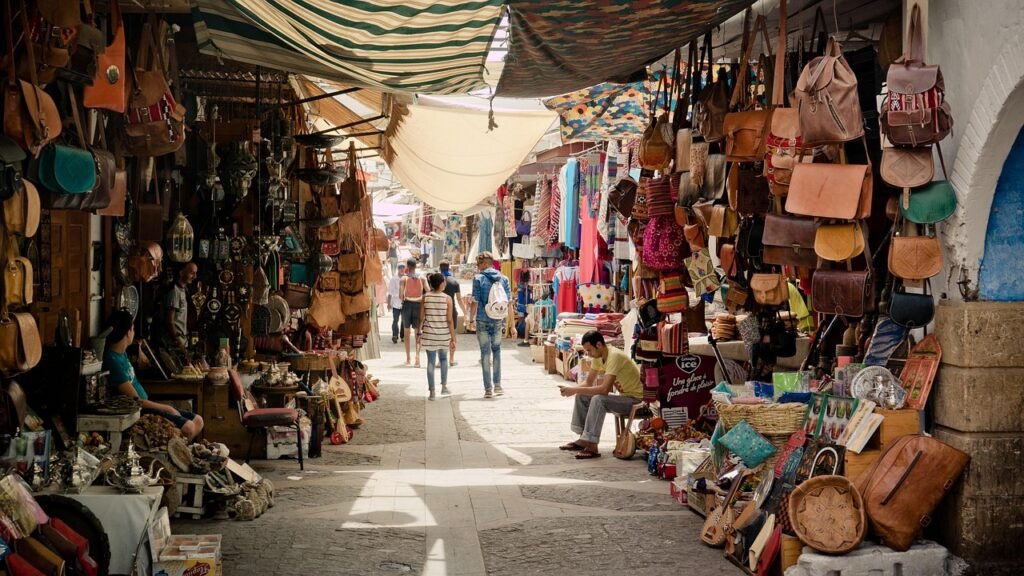
Walking into a local souk in an Arabic-speaking country can feel like stepping into another world. The air smells of spices, fresh bread, leather, and incense. People move in every direction, voices rise and fall, vendors call out prices, and colors of fabrics and fruits mix together. For many travelers and Arabic learners, this is one of the most exciting parts of visiting the region. But once you stop at a shop or stall and point to something you want, you face the real challenge — bargaining.
Bargaining is not just about getting a lower price. It is a cultural experience. It is a conversation, a small social dance between buyer and seller. In many Arabic-speaking countries, fixed prices are not common in traditional markets. The first price you hear is almost never the final price. Sellers expect you to negotiate, and they may even respect you more when you do. This is very different from how shopping works in many Western countries where prices are printed and non-negotiable.
Many Arabic learners hesitate the first time they try to bargain. They worry about saying the wrong thing or offending the seller. Others do not know the words they need to use or the polite phrases that make the exchange friendly. This is where learning Arabic becomes powerful. When you bargain in Arabic, even if it is only a few words or phrases, the entire experience changes. Sellers respond with smiles, often offer better prices, and sometimes even share stories or tea with you. You become part of the market instead of just a tourist walking through it.
This guide will help you understand how to bargain in Arabic step by step. We will explore common expressions you can use, the cultural expectations you should know, and practical strategies to make bargaining enjoyable and successful. We will look at real situations you might face in souks across Morocco, Egypt, Lebanon, or the Gulf countries. You will learn how to greet a seller, ask for a price, respond when the price is too high, and close the deal in a way that feels good for both sides.
Bargaining is also a chance to practice your Arabic in a natural setting. It pushes you to listen carefully, think quickly, and use the language in a real conversation. It is one of the fastest ways to build confidence. Even if you only know a few words, the market is a classroom, and every exchange is a lesson.
By the end of this article, you will not just know how to save money at the souk. You will also understand how bargaining can help you connect with Arabic speakers and deepen your experience of their culture. Whether you are a beginner or advanced learner, you can start using these phrases and techniques right away on your next trip or even in online practice sessions.
Part 1: Common Arabic Phrases for Bargaining
Learning a few bargaining phrases in Arabic makes a huge difference when you step into a souk. Even if you are not fluent, using short expressions shows respect and effort. Sellers often appreciate it and may be more flexible with prices. Here are key phrases to know, with simple explanations and tips on how to use them naturally.
Greetings
Always start with a greeting. It sets the right tone.
- As-salāmu ʿalaykum (السلام عليكم) – Peace be upon you
- Use this when approaching a stall or shop. It is polite and common.
- Wa ʿalaykum as-salām (وعليكم السلام) – And peace be upon you
- The seller will often respond with this.
- Sabāḥ al-khayr (صباح الخير) – Good morning
- Masāʾ al-khayr (مساء الخير) – Good evening
A friendly start makes bargaining smoother. Sellers are more willing to talk when you show respect.
Asking for Prices
Once you greet the seller, ask for the price politely.
- Kam hādhā? (كم هذا؟) – How much is this?
- Kam as-siʿr? (كم السعر؟) – What is the price?
- Bi kam hādhā? (بكم هذا؟) – For how much is this?
Say it clearly and point to the item if needed. You can also use your phone’s calculator to avoid confusion.
Reacting to the Price
The seller will give a price, usually higher than what they expect to receive. Show interest but do not accept it right away.
- Ghālī jiddan (غالي جدا) – Too expensive
- Lā, hādhā kathīr (لا، هذا كثير) – No, that’s too much
- Hal yumkin an takhfiḍ al-siʿr? (هل يمكن أن تخفض السعر؟) – Can you lower the price?
Tone is important. Smile when you say this. Keep the conversation friendly.
Making an Offer
Now it is your turn to suggest a price. Offer lower than what you are willing to pay so there is room to meet in the middle.
- Aʿṭīk … (أعطيك …) – I give you …
- Example: Aʿṭīk 50 dirham – I give you 50 dirhams.
- Mumkin …? (ممكن …؟) – Is it possible …?
- Example: Mumkin 30? – Is 30 possible?
Numbers are key here. Practice numbers in Arabic before visiting the souk so you can understand and respond quickly.
Closing the Deal
When you both agree on a price, end the exchange politely.
- Tafaddal (تفضل) – Here you go
- Shukran (شكرا) – Thank you
- Mabrouk (مبروك) – Congratulations (the seller might say this when the deal is done)
This leaves a good impression and helps if you return to the same seller later.
Extra Phrases to Build Rapport
Sometimes bargaining is more than price. Sellers enjoy small talk. A few extra phrases can make the process friendlier.
- Min ayna anta? (من أين أنت؟) – Where are you from?
- Jamīl! (جميل) – Beautiful!
- Ḥilw jiddan (حلو جدا) – Very nice
Even short comments about the product or the souk can turn bargaining into a warm exchange.
Tips for Using These Phrases
- Speak slowly and clearly. Many sellers are used to dealing with tourists and will meet you halfway.
- Do not worry about perfect pronunciation. The effort matters more than accuracy.
- If you forget a phrase, use a mix of Arabic and English. For example, “Kam price?” works in many places.
Part 2: Cultural Rules and Bargaining Etiquette
Knowing the words is one thing. Knowing how to act is just as important. Bargaining is not a fight. It is a social game. Sellers expect you to take part with good humor and respect. Understanding the cultural side will help you avoid awkward moments and get better deals.
Respect the Greeting
Never rush into bargaining. Always greet first. In many Arabic-speaking countries, not greeting the seller is considered rude. A simple As-salāmu ʿalaykum shows respect and sets a friendly tone. The seller will usually smile and respond. Only after that should you ask for the price.
Smile and Stay Relaxed
Bargaining should feel light. If you look angry or stressed, the seller might lose interest or even refuse to negotiate. A smile goes a long way. Sellers are more open to someone who treats them like a person, not just a price machine.
Do Not Show Too Much Excitement
If you act too eager, the seller will know you are willing to pay more. Keep a calm tone even if you really want the item. You can admire it, but avoid phrases like “I must have this” before you agree on a price.
Start Lower, Not Too Low
When making an offer, suggest a price lower than what you are ready to pay but still reasonable. If the seller asks for 100, you can offer 50 or 60. Offering something very low, like 10, may insult the seller. Bargaining is about finding a fair price, not winning a battle.
Expect Counteroffers
The seller will usually give a new price higher than yours but lower than the first one. This is normal. Go back and forth a few times. The final price is often somewhere in the middle.
Learn to Walk Away
One of the strongest bargaining tools is the ability to walk away politely. If the price is too high and you cannot agree, smile, say thank you, and slowly walk away. Many times, the seller will call you back with a better offer.
Know the Market
Prices can vary a lot from one souk to another. Before buying, walk around and ask different sellers for prices. This gives you a sense of the real value. If three sellers give you similar prices, you know what is fair.
Avoid Touching Everything
In some places, touching too many items signals strong interest. Sellers may assume you are ready to buy and push harder for a sale. Look with your eyes first. Touch only the things you are seriously considering.
Be Careful with Humor
Light jokes can make the exchange fun, but be careful with sarcasm or humor that might sound disrespectful. Keep the tone friendly and simple.
Pay in Local Currency
If possible, use the local currency. Paying in foreign currency often leads to confusion and sometimes higher prices. Carry small bills and coins so you can pay the exact amount when you agree.
Watch Body Language
Your hands, eyes, and posture all speak. Keep your body open and relaxed. Avoid pointing directly at the seller with one finger — use your whole hand. Nodding lightly shows you are listening. Crossing your arms tightly can look aggressive.
Respect the Seller’s Time
Bargaining is normal, but do not spend a very long time if you are not serious about buying. Sellers work long hours and need real buyers. If you are just browsing, say so politely.
Avoid Comparing Loudly
Saying “The shop next door is cheaper!” in a loud voice can embarrass the seller. Instead, just make your offer calmly and let them decide whether to match the price.
Accept the Final Price Gracefully
Once you both agree, do not try to lower the price again. Pay what you agreed with a smile. This builds trust and helps if you want to return later.
Cultural Differences Between Regions
Bargaining is common across the Arab world but the style can vary:
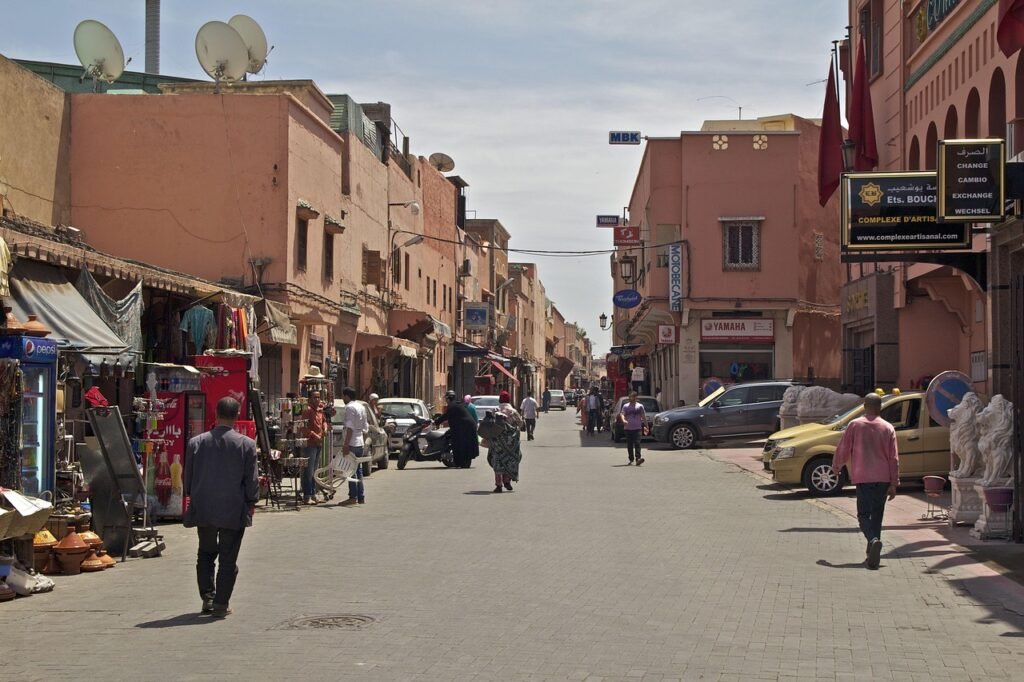
- Morocco and Tunisia: Bargaining is expected, especially in souks. The first price may be double or triple the real price.
- Egypt: Sellers often enjoy long bargaining sessions. They may even offer tea while you discuss.
- Gulf countries: Bargaining is common in traditional markets, but prices in malls and big stores are usually fixed.
- Levant (Lebanon, Jordan): Negotiation is common but usually shorter and more direct.
Knowing these differences helps you adjust your approach.
Part 3: Step-by-Step Bargaining Strategy with Example Dialogues
Bargaining works best when you follow a clear process. You do not need to memorize complicated rules. You just need a simple plan to guide the conversation. Here is a step-by-step strategy that works in most souks.
Step 1: Greet and Build Rapport
Start with a friendly greeting. Make eye contact. If you know the seller’s language, use it right away.
- You: As-salāmu ʿalaykum.
- Seller: Wa ʿalaykum as-salām.
- You: Sabāḥ al-khayr.
You can add a compliment about the shop or item:
- You: Hādhā jamīl! (This is beautiful!)
This makes the seller more open and ready to negotiate.
Step 2: Ask the Price
Once you connect, ask for the price.
- You: Kam hādhā? (How much is this?)
- Seller: Miʾa dirham. (100 dirhams.)
Listen carefully. Sellers might say the number quickly. If you are unsure, ask them to repeat or write it down.
Step 3: React Calmly
Do not agree right away. Show polite surprise if the price seems high.
- You: Ghālī jiddan! (Too expensive!)
- You: Hal yumkin an takhfiḍ al-siʿr? (Can you lower the price?)
Say it with a smile. You want to start a conversation, not argue.
Step 4: Make Your First Offer
Suggest a lower price than what you are willing to pay.
- You: Aʿṭīk khamsīn. (I give you 50.)
This leaves space for negotiation. Expect the seller to give a counteroffer.
Step 5: Go Back and Forth
The seller will respond with a new price.
- Seller: Lā, sitteen. (No, 60.)
- You: Khamsa wa khamsīn. (55.)
This can repeat two or three times. Keep your tone friendly.
Step 6: Use the Walk-Away Technique
If you cannot agree, start to walk away politely.
- You: Shukran, kathīr ʿalayya. (Thank you, too much for me.)
Many sellers will lower the price at this point.
- Seller: Taʿāl, khudh bi khamsa wa khamsīn. (Come, take it for 55.)
If they do not call you back, it may really be their final price.
Step 7: Agree and Pay
Once you reach a fair price, close the deal with respect.
- You: Muwāfiq. (I agree.)
- You: Tafaddal. (Here you go.)
- Seller: Mabrouk. (Congratulations.)
- You: Shukran!
This final exchange is important. It leaves a good impression for future visits.
Sample Dialogue
Here is a full example of how a real exchange might sound.
You: As-salāmu ʿalaykum.
Seller: Wa ʿalaykum as-salām.
You: Kam hādhā?
Seller: Miʾa dirham.
You: Ghālī jiddan! Aʿṭīk khamsīn.
Seller: Lā, sitteen.
You: Khamsa wa khamsīn.
Seller: Khudh bi khamsa wa khamsīn.
You: Muwāfiq. Tafaddal.
Seller: Mabrouk.
You: Shukran.
Short, simple, and friendly.
Tips for Each Step
- Step 1: Always smile. A good start sets the mood for the whole conversation.
- Step 2: Repeat the price back in Arabic to confirm you understood.
- Step 3: Avoid showing anger. You are negotiating, not fighting.
- Step 4: Your first offer should be about half the asking price if you think it is too high.
- Step 5: Two or three rounds are normal. More than that can feel tiring for both sides.
- Step 6: Walking away is powerful. Use it respectfully.
- Step 7: Pay with small bills if possible. This avoids delays and excuses for higher prices.
Final Advice, Common Mistakes
Bargaining is not just about saving money. It is about connecting with people. When you understand the language, respect the culture, and enjoy the process, the souk becomes more than a place to shop — it becomes a place to learn and grow.
Common Mistakes to Avoid
Even experienced travelers sometimes make mistakes when bargaining. Here are the most common ones and how to avoid them.
1. Skipping the Greeting
Walking straight to the item and asking the price without a greeting feels cold. Start with a friendly As-salāmu ʿalaykum to set a good tone.
2. Acting Angry or Impatient
Raising your voice or rushing the process makes the seller defensive. Stay calm. Bargaining takes a few minutes.
3. Offering an Unrealistic Price
If the seller asks for 100 and you offer 5, they may feel insulted and stop negotiating. Aim for a fair range — usually half or two-thirds of the first price.
4. Showing Too Much Interest
Saying “I love this, I must have it!” before negotiating weakens your position. Stay neutral until the price is agreed.
5. Forgetting Local Numbers
If you do not understand numbers in Arabic, you risk paying more. Learn numbers from 1 to 100 before visiting the market.
6. Bargaining When You Do Not Intend to Buy
If you are only curious and do not plan to buy, do not spend a long time negotiating. Sellers rely on sales to make a living.
7. Not Respecting the Final Agreement
Once you agree on a price, do not try to lower it again. Pay and thank the seller. This shows integrity and builds trust.
Practical Advice for Success
- Learn Key Phrases: Even if you are a beginner, memorize greetings, numbers, and a few bargaining sentences.
- Practice Beforehand: Role-play with a friend or teacher so you feel confident.
- Carry Small Change: This makes paying easier and avoids “no change” excuses.
- Observe Before Buying: Watch how locals bargain, listen to what they say, and copy their style.
- Stay Friendly: Smile, laugh, and enjoy the interaction. Many sellers enjoy the process as much as you do.
- Know When to Stop: If the price feels fair and within your budget, agree and move on.
The Bigger Picture
When you bargain in Arabic, you are not just practicing vocabulary — you are joining a tradition that has been alive for centuries. Souks have always been places where language, culture, and business meet. You will leave with more than a product. You leave with a story, a memory, and often a new connection.
Learning to bargain in Arabic takes practice, but every attempt makes you better. You save money, build confidence, and connect with people in a more meaningful way. The next time you walk into a souk, try greeting the seller, asking for the price in Arabic, and going through the steps you learned here. You will see how different the experience feels.
At Ramdani Arabic Academy, we believe language learning should be practical. We teach students how to use Arabic in real-life situations — in markets, restaurants, and daily conversations. If you enjoyed this guide, explore our lessons, courses, and articles. You can find structured programs for every level, from beginner to advanced, and learn how to communicate with confidence.
This article was written by Ramdani Mohamed, founder of Ramdani Arabic Academy. I have been helping Arabic learners from around the world for years and focus on simple, effective ways to use Arabic in everyday life. My goal is to make Arabic accessible, useful, and enjoyable for everyone.



Keep up the good work